

Choosing the Right Special Shaped Springs for Your Project: A Comprehensive Guide
Release Time:
2025-12-15
Choosing the Right Special Shaped Springs for Your Project Understanding Special Shaped Springs: An Overview When embarking on any project that requires the use of springs, the selection of the right type is critical. Special shaped springs are designed to meet unique requirements across various industries, including construction, automotive, and manufacturing. Unlike standard springs, these compo

Choosing the Right Special Shaped Springs for Your Project
Understanding Special Shaped Springs: An Overview
When embarking on any project that requires the use of springs, the selection of the right type is critical. Special shaped springs are designed to meet unique requirements across various industries, including construction, automotive, and manufacturing. Unlike standard springs, these components can be tailored to fit specific dimensions, load capacities, and performance needs. Understanding their various applications can significantly impact the overall success of your project.
The Importance of Customization in Spring Design
Custom springs are not merely a luxury; they are often a necessity. Each project has distinct specifications, and the ability to customize springs ensures that they perform optimally in their designated applications. Here are some critical factors to consider:
1. Load Requirements
The load that a spring must support is paramount in its design. Determining the correct load capacity will help you choose a spring that not only fits but also functions effectively without compromising safety.
2. Space Constraints
With many projects operating within tight spaces, the dimensions of the spring must be carefully considered. Special shaped springs can be designed to fit precisely into limited areas, ensuring that your project maintains its integrity.
Designing for Space Efficiency
Space-efficient designs enable manufacturers to integrate springs without requiring additional modifications to the existing framework, thus saving time and resources.
3. Material Selection
The material of the spring affects its performance, durability, and cost. Common materials include stainless steel, carbon steel, and various alloys. Each material has unique properties, making it suitable for different environments and applications.
Key Types of Special Shaped Springs
Special shaped springs come in various types, each serving specific functions. Understanding these types can aid in making an informed choice.
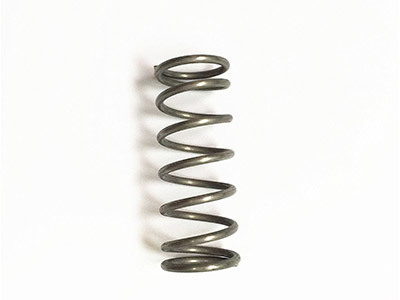
1. Compression Springs
Compression springs are designed to resist axial loads. These springs are typically cylindrical but can be shaped to fit specific designs. They are ideal for applications that involve compressive forces.
2. Extension Springs
Extension springs are designed to absorb and store energy. They are usually coiled and extend under tension. These springs are commonly used in applications where mechanical energy needs to be stored and released.
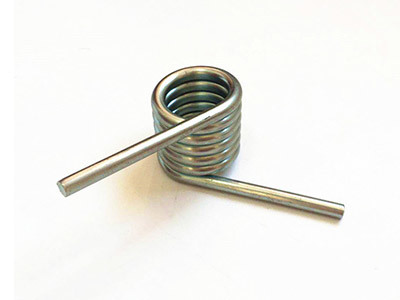
3. Torsion Springs
Torsion springs exert a twisting force and are ideal for applications that require rotational movement. Their design can vary significantly, making them versatile for various projects.
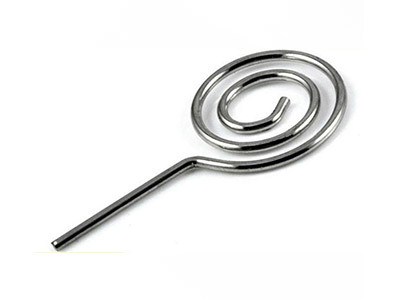
4. Specialty Shapes
These are springs that don’t conform to typical designs. They can be customized in various shapes, such as conical, oval, or square, thus expanding their usability in complex projects.
Factors to Consider When Choosing Special Shaped Springs
Choosing the right special shaped spring involves several considerations. Here are the key factors to keep in mind:
1. Application Requirements
Understanding the specific demands of your application is vital. Analyze the force, movement, and space constraints to determine the best type of spring.
2. Manufacturing Capabilities
Not all manufacturers are equipped to produce custom springs. Choose a supplier with advanced manufacturing capabilities that can meet your unique specifications.
3. Quality Standards
The quality of the spring directly affects its performance and lifespan. Opt for springs that meet industry standards and have undergone rigorous quality control measures.
4. Cost-Effectiveness
While it might be tempting to go for the cheapest option, consider the long-term implications of your choice. Investing in high-quality springs can save you money by reducing replacements and maintenance.
How to Source Quality Special Shaped Springs
Sourcing quality springs involves a strategic approach. Here’s how to ensure you find the best options for your project:
1. Research Reputable Suppliers
Identify suppliers with a strong reputation in the industry. Look for reviews, case studies, and testimonials to gauge their reliability.
2. Request Samples
Before making a bulk order, request samples to test their performance and fit. This step can save you from costly mistakes later.
3. Inquire About Customization Options
Discuss your specific needs with suppliers. The best suppliers will offer flexibility in design and material selection to meet your project requirements.
Common Applications of Special Shaped Springs
Understanding where and how special shaped springs are used can help you visualize their importance in your project. Here are common applications:
1. Automotive Industry
In the automotive sector, springs are essential for suspension systems, brake mechanisms, and engine components. Special shaped springs enhance performance and reliability.
2. Industrial Machinery
Special shaped springs are used in various machinery to provide support and energy storage, ensuring smooth operations in manufacturing processes.
3. Consumer Electronics
Springs are integral in devices like smartphones and appliances, where they contribute to functionality and user experience.
FAQs About Special Shaped Springs
1. What are special shaped springs used for?
Special shaped springs are used in various applications including automotive, industrial machinery, and consumer electronics, providing specific functionality based on their design.
2. How are special shaped springs manufactured?
Special shaped springs are manufactured through processes such as coiling, shaping, and heat treatment, tailored to meet specific design and performance criteria.
3. Can I design my own special shaped spring?
Yes, many manufacturers offer customization services, allowing you to design springs that suit your specific project requirements.
4. What materials are best for special shaped springs?
Common materials include stainless steel for corrosion resistance, carbon steel for strength, and various alloys for specialized applications.
5. How do I know the right size of spring for my project?
Calculating the load requirements and understanding the space constraints of your application can help you determine the appropriate size for your spring.
Conclusion
Selecting the right special shaped springs for your project is a multifaceted process that requires careful consideration of various factors. From understanding the load requirements and application specifics to sourcing quality materials and manufacturers, every step is crucial to ensuring optimal performance. By following the guidelines outlined in this article, you can make informed decisions that will enhance the efficacy of your projects. Therefore, take the time to choose wisely, and consider investing in custom solutions that meet your unique needs. Your project's success may depend on it.
Related News
Contact Us
E-mail:
WhatsAPP:
Address:
Wen 'an Industrial New Area (small Farm), Langfang, Hebei, China