

Maximizing Performance with Quality Torsion Springs in Your Projects
Release Time:
2025-12-09
Maximizing Performance with Quality Torsion Springs in Your Projects Introduction to Torsion Springs: The Backbone of Mechanisms In the world of construction and decoration materials, torsion springs play a crucial role in enhancing the performance of various mechanical systems. These springs are designed to store and release energy, providing a force that allows components to function smoothly

Maximizing Performance with Quality Torsion Springs in Your Projects
Introduction to Torsion Springs: The Backbone of Mechanisms
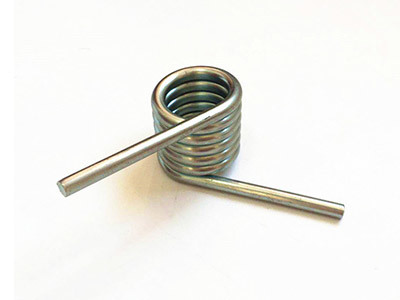
In the world of construction and decoration materials, torsion springs play a crucial role in enhancing the performance of various mechanical systems. These springs are designed to store and release energy, providing a force that allows components to function smoothly and efficiently. **Understanding the intricacies of torsion springs** can significantly improve the functionality of your projects, from door mechanisms to window fittings.
The Importance of Quality Torsion Springs in Construction
Quality torsion springs are not just components; they are integral to the reliability and longevity of your projects. Investing in high-quality springs ensures that the mechanisms they support operate with precision, reducing the risk of failure. This section explores why quality matters:
1. Enhanced Durability and Longevity
High-quality torsion springs are crafted from superior materials that resist wear and tear. This durability translates to a longer lifespan, meaning fewer replacements and repair costs in the future.
2. Improved Performance and Efficiency
Quality springs maintain their tension and shape under stress, allowing mechanisms to function smoothly. This efficiency can reduce energy consumption and improve overall project performance.
3. Safety Considerations
Using reliable torsion springs reduces the chances of mechanical failure, which can pose safety risks. Ensuring that your projects are equipped with quality springs protects both users and investments.
Applications of Torsion Springs in Construction and Decoration
Torsion springs are versatile components with a wide range of applications in the construction and decoration industry. Here are some key areas where they are utilized:
1. Door Mechanisms
Torsion springs are essential in automatic doors, allowing them to open and close smoothly. Their ability to store energy ensures that doors operate efficiently, improving user experience.
2. Window Fittings
In the context of windows, torsion springs are used in mechanisms that allow for smooth opening and closing. They support the weight of the window, ensuring it remains securely in place.
3. Garage Doors
Garage door mechanisms rely heavily on torsion springs for their operation. Quality springs ensure that these heavy doors can be opened and closed with minimal effort, enhancing safety and convenience.
4. Furniture Mechanisms
In furniture design, torsion springs are often used in reclining chairs and foldable tables. Their ability to withstand repeated use without losing tension makes them ideal for such applications.
5. Automotive Applications
Torsion springs play a pivotal role in the automotive industry, particularly in providing support and stability in suspension systems. Quality springs enhance vehicle performance and safety.
How to Choose the Right Torsion Springs for Your Project
Selecting the right torsion springs is paramount to maximizing performance in your projects. Here are essential factors to consider:
1. Material Selection
Different materials offer varying levels of strength, flexibility, and durability. Stainless steel, for example, is resistant to corrosion, making it ideal for outdoor applications.
2. Spring Dimensions
The size of the torsion spring affects its performance. Pay close attention to the wire diameter, overall length, and coil spacing to ensure proper fit and function in your mechanisms.
3. Load Requirements
Understand the load that the torsion spring will need to support. This understanding will guide you in choosing a spring that can handle the necessary tension without compromising safety.
4. Environment Considerations
Consider the environment in which the torsion spring will operate. Factors such as temperature fluctuations and exposure to moisture can affect performance and lifespan.
Installation Tips for Torsion Springs
Proper installation is crucial for the functionality and longevity of torsion springs. Here are some best practices to follow:
1. Follow Manufacturer Guidelines
Always refer to the manufacturer's specifications and guidelines when installing torsion springs. This ensures that springs are used correctly and safely.
2. Use the Right Tools
Utilize appropriate tools for installation to avoid damage to the springs or surrounding components. Tools like spring wrenches and clamps can facilitate a safer installation process.
3. Test the Mechanism
Once installed, test the mechanism to ensure proper functionality. Check for smooth operation and adjust as necessary to achieve optimal performance.
Maintenance of Torsion Springs: Ensuring Longevity
Routine maintenance is essential to prolong the life of torsion springs. Here are key maintenance tips:
1. Regular Inspections
Conduct routine checks for wear and tear. Look for signs of corrosion, rust, or deformation, and address any issues promptly to avoid catastrophic failure.
2. Lubrication
Apply appropriate lubricants to minimize friction. This can enhance performance and reduce wear on both the springs and the components they interact with.
3. Environmental Protection
If possible, protect torsion springs from harsh environmental conditions. Enclosures or covers can safeguard against moisture and dirt, preventing premature degradation.
Understanding Torsion Spring Design: The Science Behind Performance
The design of torsion springs significantly impacts their performance. Understanding the principles behind their function can aid in selecting the right ones for your projects:
1. Coil Configuration
The configuration of the coils affects how energy is stored and released. Different coil configurations can provide varying levels of torque, which is critical for specific applications.
2. Spring Index
The spring index refers to the ratio of the coil diameter to the wire diameter. A higher spring index typically results in more flexibility, while a lower index produces stiffer springs.
3. Stress Distribution
Understanding how stress is distributed throughout the spring during operation is crucial. This knowledge can guide the selection of springs that will endure the specific loads encountered in your applications.
Frequently Asked Questions (FAQs)
1. What are torsion springs used for?
Torsion springs are used in various applications, including doors, windows, garage doors, furniture mechanisms, and automotive systems. They provide the necessary force to operate these mechanisms smoothly.
2. How do I know which torsion spring to choose?
When selecting a torsion spring, consider material, dimensions, load requirements, and environmental factors. Understanding the specific application and its demands will guide you to the right choice.
3. Can I install torsion springs myself?
While it is possible to install torsion springs yourself, it’s crucial to follow manufacturer guidelines and use the appropriate tools. If unsure, consider hiring a professional to ensure safe and proper installation.
4. How often should torsion springs be maintained?
Regular inspections should be conducted at least annually, or more frequently if the springs are in high-use applications. Routine maintenance can prevent unexpected failures.
5. What materials are torsion springs made from?
Torsion springs are commonly made from high-carbon steel, stainless steel, and other alloys. The choice of material depends on the application and environmental conditions.
Conclusion
In conclusion, quality torsion springs are indispensable components in the construction and decoration industry. By understanding their importance, applications, and maintenance practices, we can maximize their performance in our projects. Selecting the right torsion springs not only enhances the efficiency and safety of mechanisms but also contributes to the longevity and reliability of our work. Emphasizing quality and proper care will yield significant benefits, ultimately leading to successful project outcomes.
By leveraging the insights provided in this article, you can confidently navigate the complexities of torsion springs and ensure that your projects reach their fullest potential.
Related News
Contact Us
E-mail:
WhatsAPP:
Address:
Wen 'an Industrial New Area (small Farm), Langfang, Hebei, China