

Understanding Extension Springs: A Key Component in Construction and Hardware
Release Time:
2025-12-06
Extension springs are mechanical devices designed to absorb energy and provide resistance when stretched. They consist of a coiled wire that is wound in a helical shape, allowing them to extend or stretch when a force is applied. The primary function of these springs is to store energy and return to their original shape when the load is removed, making them ideal for various applications in constr

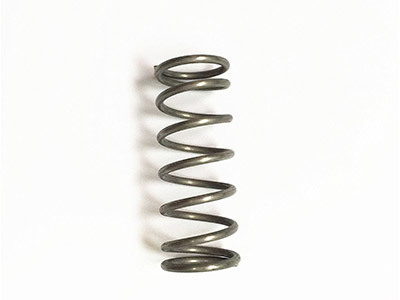
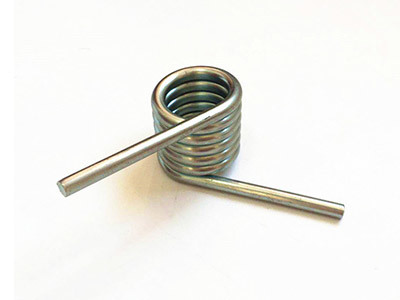
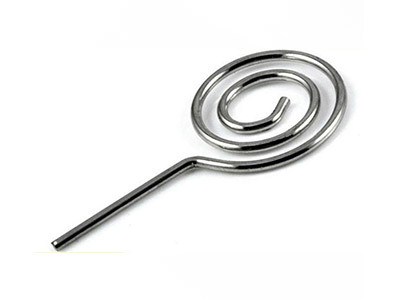
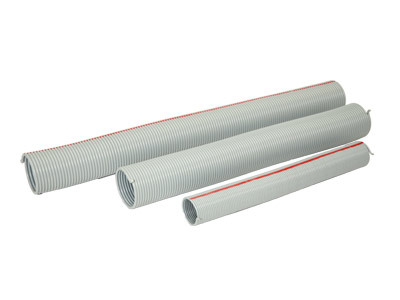
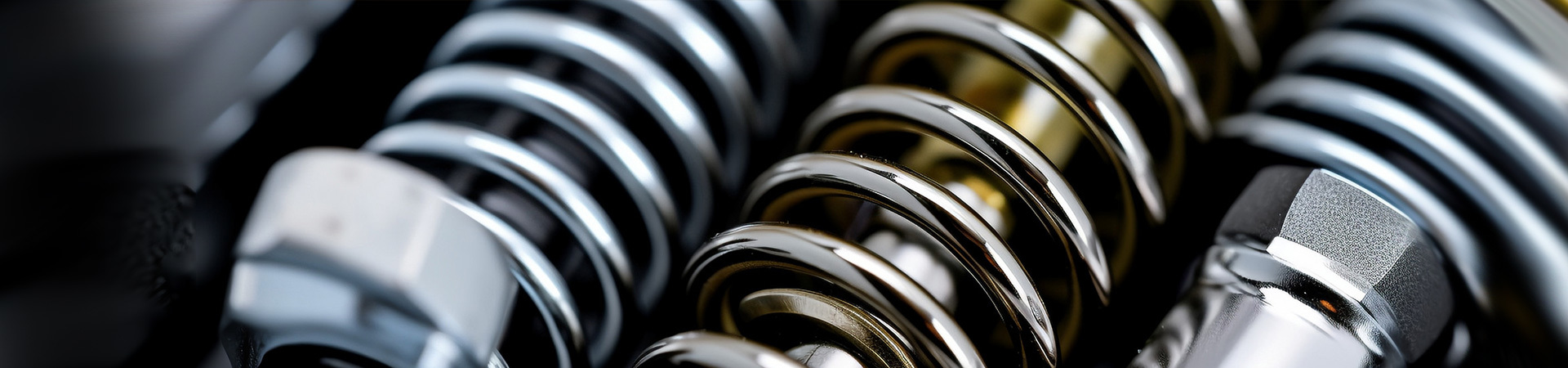
Extension springs are mechanical devices designed to absorb energy and provide resistance when stretched. They consist of a coiled wire that is wound in a helical shape, allowing them to extend or stretch when a force is applied. The primary function of these springs is to store energy and return to their original shape when the load is removed, making them ideal for various applications in construction and hardware.
In the context of door and window hardware, extension springs are often employed in mechanisms that require a smooth opening and closing action. For example, they are commonly used in screen doors and windows, where they help maintain tension and ensure stability during operation. By providing a counterbalance to the weight of doors and windows, extension springs enhance functionality and user convenience.
One significant advantage of extension springs is their ability to handle varying loads. They can be engineered to accommodate specific weight requirements, making them versatile components in a wide range of applications. Additionally, their design allows for easy installation and replacement, which is particularly beneficial for maintenance in construction projects.
When selecting extension springs for use in construction and hardware applications, several factors should be considered, including the material, diameter, and coil specifications. Most extension springs are made from high-carbon steel or stainless steel, offering durability and resistance to wear and corrosion. The diameter and coil specifications determine the spring's strength and load capacity, making it essential to choose the right specifications based on the intended use.
Moreover, proper tension management is critical in maintaining the longevity and performance of extension springs. Overextension can lead to premature failure, while insufficient tension may compromise the effectiveness of the mechanism. Regular inspections and maintenance are recommended to ensure that extension springs continue to operate optimally over time.
Understanding the role and functionality of extension springs in the construction and decoration materials industry can significantly enhance the performance of door and window hardware. By incorporating high-quality extension springs into designs, professionals can improve user experience, maintain structural integrity, and ensure the longevity of their products. As a result, extension springs not only serve as functional components but also contribute to the overall aesthetic and operational quality of construction projects.
In the context of door and window hardware, extension springs are often employed in mechanisms that require a smooth opening and closing action. For example, they are commonly used in screen doors and windows, where they help maintain tension and ensure stability during operation. By providing a counterbalance to the weight of doors and windows, extension springs enhance functionality and user convenience.
One significant advantage of extension springs is their ability to handle varying loads. They can be engineered to accommodate specific weight requirements, making them versatile components in a wide range of applications. Additionally, their design allows for easy installation and replacement, which is particularly beneficial for maintenance in construction projects.
When selecting extension springs for use in construction and hardware applications, several factors should be considered, including the material, diameter, and coil specifications. Most extension springs are made from high-carbon steel or stainless steel, offering durability and resistance to wear and corrosion. The diameter and coil specifications determine the spring's strength and load capacity, making it essential to choose the right specifications based on the intended use.
Moreover, proper tension management is critical in maintaining the longevity and performance of extension springs. Overextension can lead to premature failure, while insufficient tension may compromise the effectiveness of the mechanism. Regular inspections and maintenance are recommended to ensure that extension springs continue to operate optimally over time.
Understanding the role and functionality of extension springs in the construction and decoration materials industry can significantly enhance the performance of door and window hardware. By incorporating high-quality extension springs into designs, professionals can improve user experience, maintain structural integrity, and ensure the longevity of their products. As a result, extension springs not only serve as functional components but also contribute to the overall aesthetic and operational quality of construction projects.
Related News
Contact Us
E-mail:
WhatsAPP:
Address:
Wen 'an Industrial New Area (small Farm), Langfang, Hebei, China