

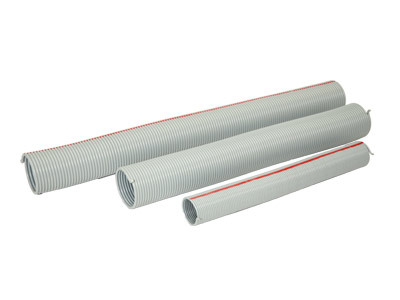

Exploring the Mechanics of AK Lower Handguard Tension Springs: A Comprehensive Guide
Release Time:
2025-11-21
Exploring the Mechanics of AK Lower Handguard Tension Springs: A Comprehensive Guide Table of Contents Introduction to AK Lower Handguard Tension Springs The Mechanics of Tension Springs Types of Handguard Tension Springs Importance of Proper Installation Step-by-Step Installation Guide Maintenance and Care for Tension Springs Common Issues and Solutions Conclusion FAQs About AK

Exploring the Mechanics of AK Lower Handguard Tension Springs: A Comprehensive Guide
Table of Contents
- Introduction to AK Lower Handguard Tension Springs
- The Mechanics of Tension Springs
- Types of Handguard Tension Springs
- Importance of Proper Installation
- Step-by-Step Installation Guide
- Maintenance and Care for Tension Springs
- Common Issues and Solutions
- Conclusion
- FAQs About AK Lower Handguard Tension Springs
Introduction to AK Lower Handguard Tension Springs
In the realm of firearms, **AK lower handguard tension springs** play a crucial role in ensuring the reliability and performance of the weapon. These springs are instrumental in maintaining the stability of the handguard, which houses essential components of the firearm. Understanding the mechanics behind these springs is vital for enthusiasts looking to enhance their knowledge and skills in firearm maintenance.
The Mechanics of Tension Springs
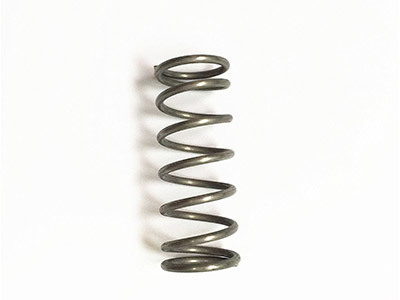
At its core, a tension spring operates on the principle of elasticity. When weight or force is applied, the spring compresses and stores potential energy. In the case of **AK lower handguard tension springs**, this stored energy helps to keep the handguard firmly in place, absorbing shocks during firing and preventing any unwanted movement.
These springs are typically made from high-carbon steel or stainless steel, ensuring durability and resilience. Their design allows for flexibility while maintaining the necessary tension to secure the handguard against the receiver of the firearm. This mechanism is essential for ensuring consistent performance, accuracy, and safety.
Types of Handguard Tension Springs
Understanding the different types of tension springs available can significantly impact your choice when upgrading or replacing components in your AK. The most common types include:
1. Standard Tension Springs
These are the most commonly used tension springs in AK platforms. They provide adequate support and can withstand the rigors of regular use.
2. Heavy-Duty Tension Springs
For those seeking enhanced durability, heavy-duty tension springs offer increased strength. They are ideal for high-performance firearms or applications where additional support is required.
3. Adjustable Tension Springs
These springs allow users to modify the tension according to their preferences. This adaptability is particularly useful for competitive shooting or tactical applications where performance requirements may vary.
Importance of Proper Installation
Installing handguard tension springs correctly is crucial for the overall performance of the firearm. A misaligned or incorrectly installed spring can lead to various issues, including:
- **Inaccurate shooting**: A loose handguard can affect the accuracy of your shots, as it may shift during firing.
- **Increased wear**: Improper installation can cause uneven wear on both the spring and the handguard itself, leading to premature failure.
- **Safety hazards**: A malfunctioning handguard may lead to serious safety risks, including the potential for parts to detach during use.
Step-by-Step Installation Guide
Installing an AK lower handguard tension spring may seem daunting, but with the right approach, you can accomplish it with ease. Follow this guide for a successful installation:
Step 1: Gather Your Tools
Before you begin, ensure you have the necessary tools on hand. This typically includes:
- A screwdriver
- A pair of pliers
- A punch tool
- The replacement spring
Step 2: Disassemble the Firearm
Safety is paramount. Make sure your firearm is unloaded and disassemble it according to the manufacturer’s instructions. Remove the handguard to access the tension spring.
Step 3: Remove the Old Tension Spring
Using the punch tool and pliers, carefully remove the old tension spring. Be cautious not to damage surrounding components during this process.
Step 4: Install the New Tension Spring
Align the new tension spring in the correct position. Ensure it is seated properly before reassembling the handguard. This will help maintain the necessary tension once the firearm is reassembled.
Step 5: Reassemble the Firearm
Carefully reassemble your firearm, ensuring all components are secure. Once reassembled, perform a function check to ensure everything operates as intended.
Maintenance and Care for Tension Springs
Maintaining your AK lower handguard tension springs is vital for their longevity and performance. Here are some essential tips:
Regular Inspection
Periodically check the tension springs for signs of wear or damage. Look for any rust, corrosion, or unusual bending that could indicate a need for replacement.
Cleaning
Keep the springs clean by removing any debris or dirt that may accumulate. Use a soft cloth and some gun oil to keep them lubricated, which will help prevent rust and maintain flexibility.
Replacement
If you notice any significant wear or if the spring fails to provide adequate tension, it's essential to replace it promptly. Delaying replacement can lead to more severe issues down the line.
Common Issues and Solutions
Understanding common issues related to AK lower handguard tension springs can help you troubleshoot effectively:
Issue 1: Handguard Movement
If the handguard feels loose, it may indicate that the tension spring is damaged or improperly installed. Recheck the installation and replace the spring if necessary.
Issue 2: Difficulty in Installation
If you experience difficulty installing the spring, ensure you are using the correct tools and following the steps accurately. Sometimes, applying a small amount of lubricant can aid in the installation process.
Issue 3: Premature Wear
If your tension springs show signs of wear sooner than expected, consider the quality of the spring itself. Opting for heavy-duty springs can provide better longevity.
Conclusion
Understanding the mechanics of **AK lower handguard tension springs** is essential for anyone invested in firearm maintenance and performance. From installation to maintenance tips, the insights provided in this guide empower you to take charge of your firearm’s functionality. With proper care and knowledge, you can ensure your AK platform remains reliable and efficient for years to come.
FAQs About AK Lower Handguard Tension Springs
1. What is the role of AK lower handguard tension springs?
AK lower handguard tension springs secure the handguard to the receiver, preventing unwanted movement and ensuring stability during firing.
2. How often should I replace my tension springs?
Regular inspections are crucial. Replace tension springs if you notice signs of wear, damage, or if they fail to provide adequate tension.
3. Can I use aftermarket tension springs?
Yes, aftermarket tension springs can provide upgraded performance or customization options. Ensure compatibility with your specific AK model.
4. What tools do I need for installation?
Basic tools typically include a screwdriver, pliers, a punch tool, and the new tension spring.
5. Is maintenance necessary for tension springs?
Absolutely! Regular maintenance, including inspection and cleaning, is vital for ensuring the longevity and performance of your tension springs.
By exploring these aspects of AK lower handguard tension springs, firearm owners can enhance both their knowledge and the performance of their AK platforms.
Related News
Contact Us
E-mail:
WhatsAPP:
Address:
Wen 'an Industrial New Area (small Farm), Langfang, Hebei, China