

Understanding Offside Front Coil Springs: Key Insights for Professionals
Release Time:
2025-11-18
Offside front coil springs are critical components in many mechanical systems, particularly in automotive and machinery applications. Their primary function is to absorb shock and maintain a vehicle's or machine's overall stability and performance. While they may seem simple in design, the engineering behind offside front coil springs is quite complex, involving a careful consideration of material

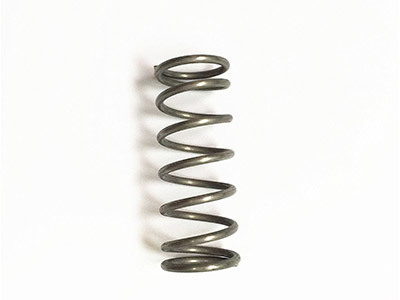
Offside front coil springs are critical components in many mechanical systems, particularly in automotive and machinery applications. Their primary function is to absorb shock and maintain a vehicle's or machine's overall stability and performance. While they may seem simple in design, the engineering behind offside front coil springs is quite complex, involving a careful consideration of material properties, load requirements, and environmental factors.
At its core, a coil spring is designed to compress and extend under load, providing the necessary force to counteract various external pressures. The "offside" designation typically refers to the position of this spring within a system that can influence its functionality. For instance, in an automotive context, the offside front coil spring might be located on the side opposite the driver, often bearing unique load distributions due to the vehicle's weight and dynamic movements.
Understanding the mechanical properties of offside front coil springs is essential for professionals in the manufacturing sector. The choice of materials, such as steel or specialized alloys, directly impacts the spring’s performance, durability, and resistance to fatigue. High-quality springs are engineered to withstand repeated stress cycles while maintaining their original shape and force characteristics.
Another significant aspect to consider is the design specifications of offside front coil springs. Factors such as wire diameter, spring diameter, and the number of active coils all play a crucial role in determining the spring's performance. Engineers must carefully evaluate these parameters to ensure optimal performance in their specific applications. Tailoring these designs to meet the unique demands of different machines can lead to enhanced efficiency and longevity.
In addition to mechanical properties, the installation and maintenance of offside front coil springs require attention to detail. Proper alignment and securing mechanisms are critical to prevent premature wear or failure. Regular inspections can help detect signs of stress or damage, allowing for proactive adjustments or replacements before significant issues arise.
In conclusion, offside front coil springs are more than just mechanical components; they are vital elements that contribute to the overall performance, safety, and reliability of various systems. For industry professionals, a thorough understanding of their design, function, and maintenance is indispensable. By focusing on quality materials and precise engineering, you can ensure that your projects meet the highest standards of performance and reliability.
At its core, a coil spring is designed to compress and extend under load, providing the necessary force to counteract various external pressures. The "offside" designation typically refers to the position of this spring within a system that can influence its functionality. For instance, in an automotive context, the offside front coil spring might be located on the side opposite the driver, often bearing unique load distributions due to the vehicle's weight and dynamic movements.
Understanding the mechanical properties of offside front coil springs is essential for professionals in the manufacturing sector. The choice of materials, such as steel or specialized alloys, directly impacts the spring’s performance, durability, and resistance to fatigue. High-quality springs are engineered to withstand repeated stress cycles while maintaining their original shape and force characteristics.
Another significant aspect to consider is the design specifications of offside front coil springs. Factors such as wire diameter, spring diameter, and the number of active coils all play a crucial role in determining the spring's performance. Engineers must carefully evaluate these parameters to ensure optimal performance in their specific applications. Tailoring these designs to meet the unique demands of different machines can lead to enhanced efficiency and longevity.
In addition to mechanical properties, the installation and maintenance of offside front coil springs require attention to detail. Proper alignment and securing mechanisms are critical to prevent premature wear or failure. Regular inspections can help detect signs of stress or damage, allowing for proactive adjustments or replacements before significant issues arise.
In conclusion, offside front coil springs are more than just mechanical components; they are vital elements that contribute to the overall performance, safety, and reliability of various systems. For industry professionals, a thorough understanding of their design, function, and maintenance is indispensable. By focusing on quality materials and precise engineering, you can ensure that your projects meet the highest standards of performance and reliability.
Related News
Contact Us
E-mail:
WhatsAPP:
Address:
Wen 'an Industrial New Area (small Farm), Langfang, Hebei, China