

The Essential Guide to Axial Torsion Springs: Understanding Their Functionality and Applications
Release Time:
2025-11-12
Axial torsion springs are a type of mechanical spring designed to provide rotational force or torque when twisted around their axis. Unlike traditional compression or extension springs, which operate along a linear path, axial torsion springs function through angular displacement, making them an integral part of various mechanical systems. The unique design allows them to store energy efficiently,

Axial torsion springs are a type of mechanical spring designed to provide rotational force or torque when twisted around their axis. Unlike traditional compression or extension springs, which operate along a linear path, axial torsion springs function through angular displacement, making them an integral part of various mechanical systems. The unique design allows them to store energy efficiently, releasing it when needed to perform work or return to their original position.
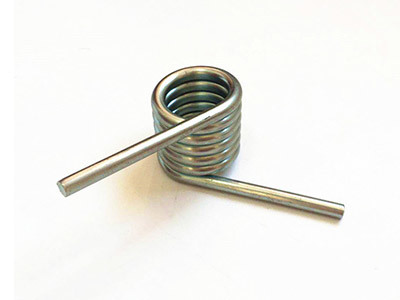
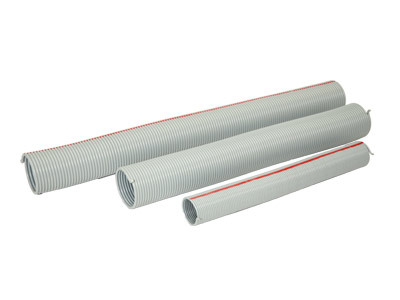
The anatomy of an axial torsion spring typically consists of a coil made from resilient materials such as stainless steel or carbon steel, formed into a helical shape. The ends of the spring are often configured in a way that allows them to be integrated into machines or assemblies, providing flexibility in design and function. The ability of these springs to endure repeated twisting and bending without losing their structural integrity is a testament to their durability and reliability.
Applications of axial torsion springs are vast and varied, spanning industries from automotive to aerospace. In automotive engineering, these springs are commonly found in mechanisms like seat recliners and door latches, where they play a crucial role in ensuring smooth operation and user convenience. In the aerospace sector, they are utilized in landing gear and control surfaces, providing the necessary torque to facilitate movement while maintaining safety and efficiency.
Moreover, axial torsion springs are also prevalent in consumer products, such as toys and kitchen appliances, where they help in mechanisms that require reliable torque and consistent performance. Their adaptability and effectiveness in such diverse applications highlight their importance in manufacturing and design.
When selecting an axial torsion spring for a specific application, several factors should be considered, including material properties, coil diameter, and the amount of torque required. Understanding these parameters will ensure optimal performance and longevity of the spring, contributing to the overall efficiency of the mechanical system.
In conclusion, axial torsion springs are indispensable components in modern machinery and consumer products. Their ability to generate torque and withstand mechanical stress makes them a preferred choice in various applications. Whether you are involved in the design, manufacturing, or maintenance of machinery, having a thorough understanding of axial torsion springs will greatly enhance your ability to create efficient and reliable mechanical systems.
The anatomy of an axial torsion spring typically consists of a coil made from resilient materials such as stainless steel or carbon steel, formed into a helical shape. The ends of the spring are often configured in a way that allows them to be integrated into machines or assemblies, providing flexibility in design and function. The ability of these springs to endure repeated twisting and bending without losing their structural integrity is a testament to their durability and reliability.
Applications of axial torsion springs are vast and varied, spanning industries from automotive to aerospace. In automotive engineering, these springs are commonly found in mechanisms like seat recliners and door latches, where they play a crucial role in ensuring smooth operation and user convenience. In the aerospace sector, they are utilized in landing gear and control surfaces, providing the necessary torque to facilitate movement while maintaining safety and efficiency.
Moreover, axial torsion springs are also prevalent in consumer products, such as toys and kitchen appliances, where they help in mechanisms that require reliable torque and consistent performance. Their adaptability and effectiveness in such diverse applications highlight their importance in manufacturing and design.
When selecting an axial torsion spring for a specific application, several factors should be considered, including material properties, coil diameter, and the amount of torque required. Understanding these parameters will ensure optimal performance and longevity of the spring, contributing to the overall efficiency of the mechanical system.
In conclusion, axial torsion springs are indispensable components in modern machinery and consumer products. Their ability to generate torque and withstand mechanical stress makes them a preferred choice in various applications. Whether you are involved in the design, manufacturing, or maintenance of machinery, having a thorough understanding of axial torsion springs will greatly enhance your ability to create efficient and reliable mechanical systems.
Related News
Contact Us
E-mail:
WhatsAPP:
Address:
Wen 'an Industrial New Area (small Farm), Langfang, Hebei, China