

How Special Shaped Springs Enhance Structural Integrity in Modern Architecture
Release Time:
2025-11-09
How Special Shaped Springs Enhance Structural Integrity in Modern Architecture Table of Contents Introduction to Special Shaped Springs Importance of Structural Integrity in Buildings Types of Special Shaped Springs Applications of Special Shaped Springs in Construction Benefits of Using Special Shaped Springs Design Considerations for Special Shaped Springs Innovation

How Special Shaped Springs Enhance Structural Integrity in Modern Architecture
Table of Contents
- Introduction to Special Shaped Springs
- Importance of Structural Integrity in Buildings
- Types of Special Shaped Springs
- Applications of Special Shaped Springs in Construction
- Benefits of Using Special Shaped Springs
- Design Considerations for Special Shaped Springs
- Innovations in Spring Technology
- Future of Special Shaped Springs in Architecture
- Frequently Asked Questions
- Conclusion
Introduction to Special Shaped Springs
Special shaped springs are innovative components tailored to meet the unique demands of various applications in the construction and architectural fields. Unlike traditional springs, these specially designed elements come in a variety of shapes and sizes, enabling them to provide targeted support and flexibility, which are essential for maintaining the structural integrity of buildings. Their adaptability makes them a popular choice among engineers and architects, helping to address specific challenges encountered in modern construction.
Importance of Structural Integrity in Buildings
The structural integrity of a building refers to its ability to withstand its intended load without experiencing failure. This concept is of paramount importance, as it ensures the safety of occupants and the longevity of the structure. A building with compromised structural integrity can lead to severe consequences, including catastrophic failures, financial loss, and loss of life. To mitigate these risks, employing advanced materials and components, such as special shaped springs, is essential for reinforcing designs and improving overall resilience.
Types of Special Shaped Springs
There are several types of special shaped springs, each designed to fulfill specific operational requirements. Understanding these variations is crucial for selecting the right springs for a project. The following outlines the most common types:
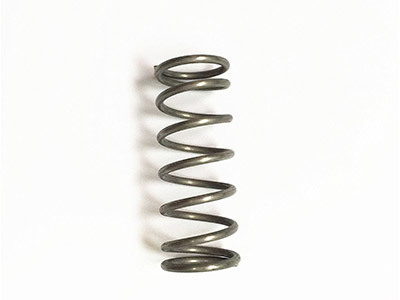
Compression Springs
Compression springs are designed to resist axial loads. These springs compress when a load is applied and return to their original shape once the force is removed. They are commonly used in applications where shock absorption and load distribution are critical.
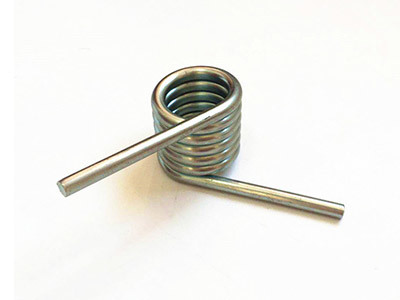
Torsion Springs
Torsion springs store energy when twisted. They are particularly useful in applications requiring rotational force, such as in door hinges or locking mechanisms. Their unique design allows them to maintain stability under stress.
Extension Springs
These springs are designed to absorb and store energy by extending when a load is applied. Extension springs are often used in applications where space constraints exist, providing flexibility without compromising structural integrity.
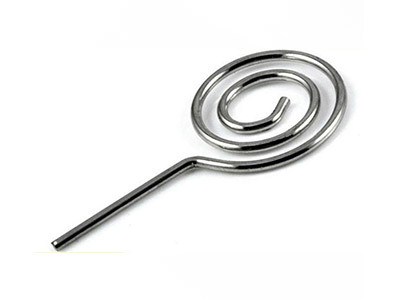
Specially Shaped Springs
These springs can be customized in various forms, such as flat, conical, or even spiral shapes, to meet specific engineering challenges. Their tailor-made designs allow for maximum efficiency in load distribution and stress management.
Applications of Special Shaped Springs in Construction
Special shaped springs find applications across various facets of construction and architecture. Their versatility allows them to be incorporated into numerous components, enhancing both functionality and structural integrity.
Window and Door Mechanisms
In window and door systems, special shaped springs are used to create smooth, efficient opening and closing mechanisms. They help maintain alignment and stability, preventing issues such as sagging or jamming.
Structural Reinforcement
Special shaped springs can be integrated into structural elements, such as beams and columns, to enhance load-bearing capacity. By strategically placing these springs, engineers can improve the resilience of critical structural components.
Seismic Retrofitting
In earthquake-prone areas, special shaped springs are instrumental in seismic retrofitting efforts. They can absorb and dissipate energy, reducing the risk of structural failure during seismic events.
HVAC Systems
In heating, ventilation, and air conditioning (HVAC) systems, special shaped springs play a crucial role in ensuring components operate efficiently by providing necessary support and reducing vibrations.
Benefits of Using Special Shaped Springs
Integrating special shaped springs into building designs offers numerous advantages:
Enhanced Load Management
These springs provide effective load distribution, alleviating stress concentrations in structural elements. This ultimately contributes to increased durability and longevity.
Improved Flexibility
Special shaped springs allow for greater flexibility in design, enabling architects and engineers to create innovative solutions that cater to specific project needs.
Cost Efficiency
By reinforcing structures with specially shaped springs, projects can reduce the likelihood of costly repairs and maintenance in the future, resulting in overall cost savings.
Increased Safety
The use of these springs significantly enhances the safety of buildings, minimizing the risk of failure and protecting occupants.
Design Considerations for Special Shaped Springs
When designing and selecting special shaped springs for construction, several factors must be taken into account:
Material Selection
Choosing the right materials is crucial for ensuring performance and durability. Options include stainless steel, carbon steel, and specialty alloys, each offering different properties suited for specific environments.
Spring Geometry
The geometry of a spring influences its performance. Design specifications should address factors such as coil diameter, wire diameter, and overall dimensions to achieve desired spring characteristics.
Load Requirements
Understanding the load requirements is vital. This includes static and dynamic loads, which can greatly affect the performance and lifespan of the spring.
Innovations in Spring Technology
Recent advancements in spring technology have led to the development of innovative manufacturing techniques, allowing for greater customization and efficiency. Techniques such as computer-aided design (CAD) and advanced machining methods enable engineers to create highly precise and effective spring designs.
3D Printing
The rise of 3D printing technology has revolutionized the production of special shaped springs. This method allows for rapid prototyping and the ability to create complex geometries that were previously unattainable through traditional manufacturing techniques.
Smart Springs
Emerging technologies have led to the development of smart springs equipped with sensors. These springs can monitor stress and load conditions in real-time, providing valuable data for predictive maintenance and structural health monitoring.
Future of Special Shaped Springs in Architecture
As the construction industry continues to evolve, special shaped springs will play an increasingly pivotal role in innovative architectural designs. With a focus on sustainability and resilience, these springs will be essential in developing structures that can withstand environmental challenges while maximizing efficiency.
Frequently Asked Questions
1. What are the primary functions of special shaped springs in buildings?
Special shaped springs primarily provide load distribution, flexibility, and shock absorption, enhancing the overall structural integrity of buildings.
2. How do special shaped springs differ from traditional springs?
Unlike traditional springs, special shaped springs are customized to meet unique design requirements, allowing for greater adaptability in various applications.
3. What materials are commonly used for manufacturing special shaped springs?
Common materials include stainless steel, carbon steel, and specialty alloys, selected based on their mechanical properties and environmental suitability.
4. Can special shaped springs contribute to energy efficiency in buildings?
Yes, by optimizing load management and reducing vibrations, special shaped springs can contribute to the overall energy efficiency of buildings, particularly in HVAC systems.
5. Are there any limitations to using special shaped springs?
While special shaped springs offer many benefits, considerations such as material costs, design complexity, and load requirements must be carefully evaluated to ensure optimal performance.
Conclusion
In conclusion, the integration of special shaped springs into modern building designs significantly enhances structural integrity, offering a multitude of benefits that extend beyond mere support. As technology advances and design needs evolve, these innovative components will continue to play a critical role in ensuring the safety, durability, and efficiency of structures around the world. Embracing the potential of special shaped springs is not just a trend; it is a vital element in the future of architecture and construction.
Related News
Contact Us
E-mail:
WhatsAPP:
Address:
Wen 'an Industrial New Area (small Farm), Langfang, Hebei, China