

Installation Tips for Quick Door Springs: A Homeowner's Comprehensive Guide
Release Time:
2025-10-22
Installation Tips for Quick Door Springs: A Homeowner's Comprehensive Guide Table of Contents Understanding Quick Door Springs Types of Quick Door Springs Essential Tools Needed for Installation Step-by-Step Installation Guide Common Mistakes to Avoid during Installation Maintaining Your Quick Door Springs When to Call a Professional Frequently Asked Questions Und

Installation Tips for Quick Door Springs: A Homeowner's Comprehensive Guide
Table of Contents
- Understanding Quick Door Springs
- Types of Quick Door Springs
- Essential Tools Needed for Installation
- Step-by-Step Installation Guide
- Common Mistakes to Avoid during Installation
- Maintaining Your Quick Door Springs
- When to Call a Professional
- Frequently Asked Questions
Understanding Quick Door Springs
Quick door springs are vital components that assist in the smooth operation of doors. These springs store mechanical energy when the door is closed and release it to facilitate opening. Understanding their function and importance is crucial for homeowners looking to install or replace these components.
Quick door springs come in various designs and sizes, suited to different types of doors, including residential, commercial, and industrial applications. They are typically designed to offer flexibility and strength, ensuring that your doors function correctly and efficiently.
Types of Quick Door Springs
There are several types of quick door springs available, and knowing which type suits your door is essential for a successful installation. Here are the most common types:
Torsion Springs
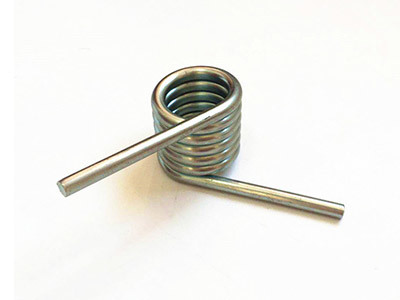
Torsion springs are found above the door, winding around a shaft. They provide a significant amount of lifting power, making them ideal for heavier doors. When the door is opened, the spring unwinds, creating tension that supports the door’s weight.
Extension Springs
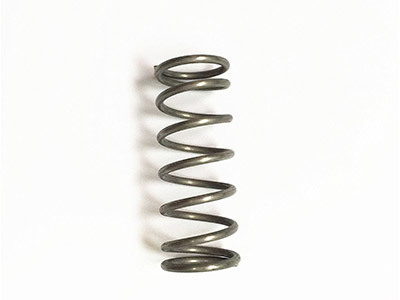
Extension springs are usually located on the sides of the door. They stretch when the door opens and retract when it closes, making them suitable for lighter doors.
Side-Mounted Springs
These springs are mounted on the side of the door frame and are often used in commercial applications. They provide a unique solution for specific door types that require a different installation approach.
Heavy-Duty Springs
For larger, heavier doors, heavy-duty springs are necessary. They can withstand more weight and are designed for long-term durability.
Essential Tools Needed for Installation
Before beginning the installation of quick door springs, ensure you have the right tools on hand. Here’s a list of what you’ll need:
Adjustable Wrench
An adjustable wrench is essential for tightening or loosening bolts and nuts during installation.
Screwdriver Set
A set of screwdrivers (both flathead and Phillips) will be necessary for various screws involved in the installation process.
Pliers
Pliers will assist in gripping and bending springs, especially when you need to make adjustments.
Measuring Tape
A measuring tape is crucial for accurately measuring the dimensions of your door and ensuring a proper fit for the springs.
Safety Glasses
Always prioritize safety. Wearing safety glasses will protect your eyes during installation, especially when working with springs.
Step-by-Step Installation Guide
Following a systematic approach will help ensure a successful installation of your quick door springs. Here’s a comprehensive step-by-step guide:
Step 1: Measure Your Door
Begin by measuring the height and width of your door. This step is crucial for determining the correct size of the springs needed for your door.
Step 2: Remove Old Springs
If you're replacing existing springs, carefully detach them by loosening the bolts and screws holding them in place. Ensure you follow proper safety measures, as springs can be under high tension.
Step 3: Install the New Springs
Follow the manufacturer's instructions to install the new springs. For torsion springs, mount them securely on the shaft above the door. For extension springs, attach them to the door frame and the door itself.
Step 4: Adjust Tension
Adjust the tension of the springs according to your door's weight and specifications. This is a critical step to ensure the door operates smoothly.
Step 5: Test the Door
Once all components are in place, test the door to ensure it opens and closes smoothly. Make any necessary adjustments to the tension or positioning of the springs.
Common Mistakes to Avoid during Installation
Even with careful planning, mistakes can occur during the installation of quick door springs. Avoid these common pitfalls:
Ignoring Safety Precautions
Neglecting safety can lead to serious injuries. Always wear safety glasses and ensure you are using the correct tools.
Incorrect Measurements
Taking inaccurate measurements can lead to ordering the wrong springs, wasting time and money. Double-check your measurements before purchasing.
Failing to Adjust Tension Properly
Improperly adjusted tension can cause doors to malfunction. Make sure to follow the guidelines for tension adjustment carefully.
Maintaining Your Quick Door Springs
Proper maintenance is key to extending the life of your quick door springs. Here are some tips for upkeep:
Regular Inspections
Periodically inspect your door springs for signs of wear or damage. Look for rust, fraying, or any other issues that may arise.
Lubrication
Apply a suitable lubricant to the springs to reduce friction and wear. This will help in maintaining smooth operation.
Keep the Door Clean
Dirt and debris can cause issues with door functionality. Regularly clean the door tracks and springs to prevent buildup.
When to Call a Professional
While many homeowners can successfully install quick door springs, certain situations warrant professional help. Here are some signs that you should consider calling an expert:
High Tension Springs
If you're working with high tension springs, it may be best to leave the installation to a professional to avoid injury.
Complex Door Systems
For doors with complex systems or multiple springs, hiring a professional can ensure everything is installed correctly.
Persistent Problems
If you've followed the installation process and your door still isn’t functioning properly, a professional can diagnose and resolve the issue.
Frequently Asked Questions
1. How do I know if my door springs need replacing?
Signs include difficulty opening the door, loud noises during operation, or visible wear on the springs.
2. Can I install door springs myself?
Yes, but ensure you follow safety precautions and the manufacturer’s instructions carefully.
3. How long do quick door springs last?
With proper maintenance, quick door springs can last anywhere from 5 to 10 years.
4. What type of door springs is best for my door?
It depends on the weight and type of your door. Consult a professional if unsure.
5. Is it safe to adjust the tension on my door springs?
If you're experienced and know the proper techniques, it’s safe. Otherwise, consult a professional.
Conclusion
Installing quick door springs can be a manageable task for homeowners willing to invest the time and effort. By understanding the different types of springs, having the right tools, and following a systematic installation process, you can enhance your door's functionality significantly. Moreover, regular maintenance ensures longevity and smooth operation. If you encounter challenges or feel uncertain, don't hesitate to seek professional assistance. With the right approach, you can enjoy the benefits of well-functioning doors in your home.
Related News
Contact Us
E-mail:
WhatsAPP:
Address:
Wen 'an Industrial New Area (small Farm), Langfang, Hebei, China