

Understanding the Role and Functionality of the AK Upper Handguard Tension Spring
Release Time:
2025-10-19
The AK upper handguard tension spring is a crucial component in the assembly of AK-style rifles, particularly affecting the functionality and stability of the handguard. This spring is designed to maintain tension between the upper handguard and the receiver, ensuring that the handguard remains securely in place during operation. Its design is typically a coiled spring made from high-strength stee

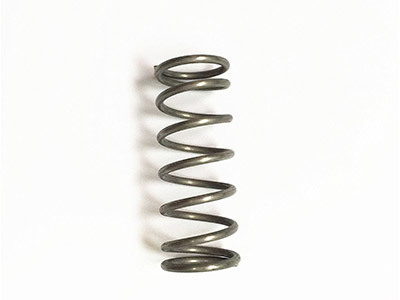
The AK upper handguard tension spring is a crucial component in the assembly of AK-style rifles, particularly affecting the functionality and stability of the handguard. This spring is designed to maintain tension between the upper handguard and the receiver, ensuring that the handguard remains securely in place during operation. Its design is typically a coiled spring made from high-strength steel, engineered to endure the mechanical stresses associated with repeated firing.
In terms of functionality, the tension spring serves multiple purposes. Firstly, it aids in the alignment of the upper handguard, which is essential for maintaining the overall integrity and performance of the firearm. A properly tensioned handguard allows for accurate aiming and shooting by reducing any potential movement or misalignment that could occur during use. Secondly, the spring contributes to the ergonomics of the firearm, enabling a comfortable grip for the user.
When manufacturing an AK upper handguard tension spring, several technical considerations must be taken into account. The choice of material is paramount, as the spring must withstand high temperatures and pressures while maintaining its elastic properties. High-carbon steel and stainless steel are commonly used for their excellent tensile strength and resistance to wear. Additionally, the spring's dimensions, including its diameter, coil count, and overall length, must be meticulously calculated to ensure optimal performance and compatibility with the handguard and receiver.
Tension springs, including the AK upper handguard tension spring, undergo various testing methods to verify their reliability and durability. These tests often include fatigue tests, where the spring is subjected to repetitive use to evaluate its lifespan and performance under stress. Manufacturers must also adhere to strict quality control measures to ensure that each spring meets the necessary specifications and standards.
In conclusion, the AK upper handguard tension spring plays a significant role in the overall function and reliability of AK-style rifles. Its design and manufacturing process require careful attention to material selection, dimensional accuracy, and thorough testing. As the machinery manufacturing sector continues to evolve, understanding the intricacies of components like the upper handguard tension spring becomes increasingly important for professionals in the field. This knowledge not only aids in the production of high-quality firearms but also enhances the safety and experience of end-users.
In terms of functionality, the tension spring serves multiple purposes. Firstly, it aids in the alignment of the upper handguard, which is essential for maintaining the overall integrity and performance of the firearm. A properly tensioned handguard allows for accurate aiming and shooting by reducing any potential movement or misalignment that could occur during use. Secondly, the spring contributes to the ergonomics of the firearm, enabling a comfortable grip for the user.
When manufacturing an AK upper handguard tension spring, several technical considerations must be taken into account. The choice of material is paramount, as the spring must withstand high temperatures and pressures while maintaining its elastic properties. High-carbon steel and stainless steel are commonly used for their excellent tensile strength and resistance to wear. Additionally, the spring's dimensions, including its diameter, coil count, and overall length, must be meticulously calculated to ensure optimal performance and compatibility with the handguard and receiver.
Tension springs, including the AK upper handguard tension spring, undergo various testing methods to verify their reliability and durability. These tests often include fatigue tests, where the spring is subjected to repetitive use to evaluate its lifespan and performance under stress. Manufacturers must also adhere to strict quality control measures to ensure that each spring meets the necessary specifications and standards.
In conclusion, the AK upper handguard tension spring plays a significant role in the overall function and reliability of AK-style rifles. Its design and manufacturing process require careful attention to material selection, dimensional accuracy, and thorough testing. As the machinery manufacturing sector continues to evolve, understanding the intricacies of components like the upper handguard tension spring becomes increasingly important for professionals in the field. This knowledge not only aids in the production of high-quality firearms but also enhances the safety and experience of end-users.
Related News
Contact Us
E-mail:
WhatsAPP:
Address:
Wen 'an Industrial New Area (small Farm), Langfang, Hebei, China