

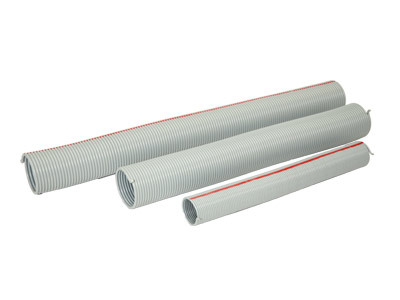

The Role of Affordable Compression Springs in Advancing Mechanical Engineering
Release Time:
2025-03-26
The Role of Affordable Compression Springs in Advancing Mechanical Engineering Table of Contents Introduction to Compression Springs The Importance of Compression Springs in Engineering Cost-Effectiveness of Compression Springs Applications of Cheap Compression Springs Manufacturing Process of Compression Springs Material Selection for Compression Springs Quality Control in Compress

The Role of Affordable Compression Springs in Advancing Mechanical Engineering
Table of Contents
- Introduction to Compression Springs
- The Importance of Compression Springs in Engineering
- Cost-Effectiveness of Compression Springs
- Applications of Cheap Compression Springs
- Manufacturing Process of Compression Springs
- Material Selection for Compression Springs
- Quality Control in Compression Spring Production
- The Future of Compression Springs in Mechanical Engineering
- Frequently Asked Questions
- Conclusion
Introduction to Compression Springs
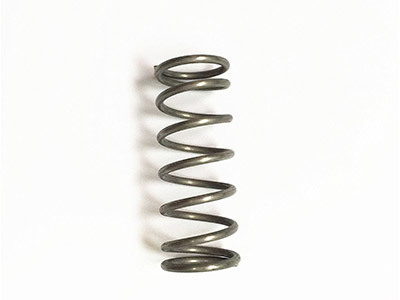
Compression springs are essential components in the realm of mechanical engineering. They store potential energy and release it when needed, making them crucial for various applications, from automotive systems to industrial machinery. These springs are designed to resist axial loads, providing flexibility and durability in high-stress environments. In this article, we will explore the significance of affordable compression springs in enhancing mechanical efficiency and performance.
The Importance of Compression Springs in Engineering
Understanding the role of compression springs in engineering is vital for grasping their impact on mechanical systems. They serve multiple purposes, including:
1. Energy Storage
Compression springs effectively store energy when compressed. This stored energy can be harnessed for various tasks, such as releasing force to move components within a machine.
2. Shock Absorption
In many mechanical applications, springs absorb shocks and vibrations, protecting other components from wear and tear. This ability to dampen shocks is critical in maintaining the longevity and reliability of machinery.
3. Regulation of Force
Compression springs regulate force within machines, ensuring consistent performance. By providing a counterbalance to applied forces, they help maintain structural integrity and operational efficiency.
Cost-Effectiveness of Compression Springs
In today's competitive market, the cost-effectiveness of components plays a pivotal role in decision-making. Here are some reasons why cheap compression springs are a smart choice for mechanical engineers:
1. Budget-Friendly Solutions
Affordable compression springs allow manufacturers to reduce costs without compromising quality. Lower material and production costs enable businesses to enhance their profit margins.
2. Accessibility
As more suppliers offer inexpensive compression springs, manufacturers have easier access to quality components. This accessibility drives innovation and efficiency across various industries.
3. Scalability
With budget-friendly springs, companies can adopt scalable solutions that accommodate growth without significant investment. This scalability is crucial for startups and established businesses alike.
Applications of Cheap Compression Springs
Compression springs find applications in numerous sectors, highlighting their versatility and importance. Some key applications include:
1. Automotive Industry
In the automotive sector, compression springs are integral in suspension systems, helping to absorb shocks and provide a smooth ride. They also assist in various engine components, ensuring optimal performance.
2. Electronics
In electronic devices, compression springs are used in mechanisms such as switches and buttons. They provide tactile feedback and enhance user experience by ensuring reliable operation.
3. Industrial Machinery
Many industrial machines utilize compression springs for various functions, including tensioning belts and providing stability to moving parts. Their durability ensures long-term operation, reducing maintenance costs.
4. Medical Devices
Compression springs are also found in medical devices, contributing to the functionality of equipment such as infusion pumps and surgical tools. Their reliability is crucial in ensuring patient safety and device performance.
Manufacturing Process of Compression Springs
The production of compression springs involves several essential steps to ensure quality and functionality:
1. Design and Engineering
The manufacturing process begins with the design phase, where engineers determine the specifications and requirements for the springs. This phase includes considerations for load capacity, dimensions, and material selection.
2. Material Preparation
Once the design is finalized, the appropriate materials are sourced. Common materials for compression springs include stainless steel, carbon steel, and alloys. These materials are chosen for their strength and elasticity.
3. Wire Forming
The selected materials are then formed into wire through a process called wire drawing. This step ensures the wire meets the required diameter and tensile strength for the intended application.
4. Spring Coiling
After wire preparation, the wire is coiled into the spring shape using specialized machinery. This step requires precision to ensure the spring achieves the desired characteristics, including coil spacing and diameter.
5. Heat Treatment
To enhance the spring's strength and elasticity, heat treatment processes such as annealing or quenching are employed. This step is critical for achieving the desired mechanical properties.
6. Finishing Touches
The final stage of manufacturing involves surface finishing, which may include processes like shot peening, coating, or polishing. These treatments improve corrosion resistance and overall aesthetics.
Material Selection for Compression Springs
The choice of material significantly impacts the performance of compression springs. Key materials used in their production include:
1. Stainless Steel
Stainless steel is favored for its corrosion resistance and strength. It is ideal for applications in harsh environments where durability is a must.
2. Carbon Steel
Carbon steel is commonly used due to its excellent tensile properties and affordability. It is suitable for various applications, particularly where cost is a concern.
3. Alloys
Alloy springs combine different materials to enhance specific properties such as strength and fatigue resistance. These springs are often used in demanding applications where performance is critical.
Quality Control in Compression Spring Production
Ensuring the quality of compression springs is paramount for their performance and longevity. Key quality control measures include:
1. Inspection and Testing
Throughout the manufacturing process, regular inspections and tests are conducted to verify dimensions, material properties, and overall quality. This may include tensile tests and fatigue tests to ensure reliability.
2. Certification Standards
Manufacturers should adhere to industry standards and certifications, such as ISO 9001, to ensure their products meet global quality benchmarks. Compliance with these standards demonstrates a commitment to quality and safety.
3. Continuous Improvement
Implementing a culture of continuous improvement is vital for quality control. Regularly reviewing processes and seeking feedback allows manufacturers to enhance their production methods and product quality.
The Future of Compression Springs in Mechanical Engineering
The future of compression springs in mechanical engineering is promising, driven by technological advancements and evolving industry demands. Some trends to watch include:
1. Sustainable Materials
As sustainability becomes increasingly important, manufacturers are exploring eco-friendly materials for compression springs. This shift could lead to more environmentally responsible production practices.
2. Customization and 3D Printing
The rise of 3D printing technology allows for greater customization of compression springs. Engineers can now design and produce springs tailored to specific applications, fostering innovation.
3. Smart Springs
Integration of smart technology into compression springs is another emerging trend. Sensors could be embedded in springs to monitor performance and provide real-time data, enhancing operational efficiency.
Frequently Asked Questions
1. What are the primary functions of compression springs?
Compression springs primarily store energy, absorb shocks, and regulate forces within mechanical systems, making them essential components in various applications.
2. How do I choose the right material for compression springs?
The right material depends on the application's specific requirements, including load capacity, environmental conditions, and budget constraints. Common materials include stainless steel, carbon steel, and alloys.
3. What is the manufacturing process for compression springs?
The manufacturing process involves design, material preparation, wire forming, spring coiling, heat treatment, and surface finishing, each contributing to the spring's final quality and performance.
4. How do compression springs contribute to cost savings?
Affordable compression springs reduce manufacturing costs, increase accessibility to quality components, and allow for scalability, making them an economical choice for businesses.
5. What are some common applications of cheap compression springs?
Common applications include automotive systems, electronics, industrial machinery, and medical devices, demonstrating the versatility and significance of compression springs in various industries.
Conclusion
Affordable compression springs play a pivotal role in mechanical engineering, offering innovative solutions that enhance efficiency, reduce costs, and ensure reliability across diverse applications. As industries continue evolving, the demand for cost-effective and high-quality components will only grow, making compression springs a fundamental aspect of mechanical design and manufacturing. Manufacturers and engineers alike must recognize the value of these springs in optimizing performance and driving technological advancements forward.
Related News
Contact Us
E-mail:
WhatsAPP:
Address:
Wen 'an Industrial New Area (small Farm), Langfang, Hebei, China