


Unlocking the Secrets to the Best Compression Springs for Your Manufacturing Needs
Release Time:
2025-03-23
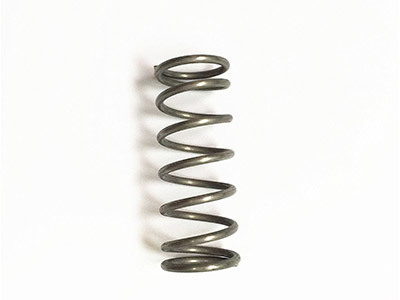
When it comes to manufacturing and machining, selecting the best compression springs can significantly impact the performance and reliability of your products. Compression springs are designed to resist compressive forces and return to their original shape when the load is removed. Understanding the key aspects of compression springs can help you make informed decisions that enhance your operation

When it comes to manufacturing and machining, selecting the best compression springs can significantly impact the performance and reliability of your products. Compression springs are designed to resist compressive forces and return to their original shape when the load is removed. Understanding the key aspects of compression springs can help you make informed decisions that enhance your operations.
1. **Material Selection**: The choice of material is crucial in determining the characteristics of compression springs. Common materials include stainless steel, music wire, and oil-tempered wire. Stainless steel offers excellent corrosion resistance, making it ideal for applications in damp or corrosive environments. Music wire is known for its high tensile strength and fatigue resistance, while oil-tempered wire provides a balance of durability and cost-effectiveness. When selecting the best compression springs, consider the environmental factors and the mechanical requirements of your application.
2. **Spring Dimensions**: The dimensions of the spring, including its wire diameter, coil diameter, and number of coils, play a vital role in its performance. Thicker wire diameters provide increased strength but may limit flexibility. Coil diameter affects the amount of space the spring occupies, while the number of coils influences the spring's rate and deflection characteristics. Carefully calculating these dimensions ensures that the chosen compression spring meets the specific load and travel requirements of your application.
3. **Spring Rate**: The spring rate, often expressed in pounds per inch (lb/in), defines how much force is required to compress the spring by a certain distance. Understanding the spring rate is essential for applications that require precise load management. Engineers can calculate the desired spring rate based on the application’s load requirements, ensuring that the chosen compression spring performs optimally under varying conditions.
4. **Manufacturing Techniques**: The method of spring manufacturing can impact the quality and consistency of the final product. Processes such as coiling, heat treatment, and surface finishing all contribute to the performance of compression springs. It’s essential to work with reputable manufacturers who employ advanced techniques to ensure that the springs produced meet stringent quality standards.
5. **Testing and Quality Assurance**: Before finalizing your selection of the best compression springs, consider the importance of testing and quality assurance. Rigorous testing can identify potential weaknesses and ensure that the springs function as intended under operational loads. Look for manufacturers that provide detailed certification and performance data for their compression springs.
In conclusion, selecting the best compression springs involves a comprehensive understanding of material properties, dimensions, spring rates, manufacturing techniques, and quality assurance practices. By taking these factors into account, you can optimize your manufacturing processes and ensure the reliability and efficiency of your products.
1. **Material Selection**: The choice of material is crucial in determining the characteristics of compression springs. Common materials include stainless steel, music wire, and oil-tempered wire. Stainless steel offers excellent corrosion resistance, making it ideal for applications in damp or corrosive environments. Music wire is known for its high tensile strength and fatigue resistance, while oil-tempered wire provides a balance of durability and cost-effectiveness. When selecting the best compression springs, consider the environmental factors and the mechanical requirements of your application.
2. **Spring Dimensions**: The dimensions of the spring, including its wire diameter, coil diameter, and number of coils, play a vital role in its performance. Thicker wire diameters provide increased strength but may limit flexibility. Coil diameter affects the amount of space the spring occupies, while the number of coils influences the spring's rate and deflection characteristics. Carefully calculating these dimensions ensures that the chosen compression spring meets the specific load and travel requirements of your application.
3. **Spring Rate**: The spring rate, often expressed in pounds per inch (lb/in), defines how much force is required to compress the spring by a certain distance. Understanding the spring rate is essential for applications that require precise load management. Engineers can calculate the desired spring rate based on the application’s load requirements, ensuring that the chosen compression spring performs optimally under varying conditions.
4. **Manufacturing Techniques**: The method of spring manufacturing can impact the quality and consistency of the final product. Processes such as coiling, heat treatment, and surface finishing all contribute to the performance of compression springs. It’s essential to work with reputable manufacturers who employ advanced techniques to ensure that the springs produced meet stringent quality standards.
5. **Testing and Quality Assurance**: Before finalizing your selection of the best compression springs, consider the importance of testing and quality assurance. Rigorous testing can identify potential weaknesses and ensure that the springs function as intended under operational loads. Look for manufacturers that provide detailed certification and performance data for their compression springs.
In conclusion, selecting the best compression springs involves a comprehensive understanding of material properties, dimensions, spring rates, manufacturing techniques, and quality assurance practices. By taking these factors into account, you can optimize your manufacturing processes and ensure the reliability and efficiency of your products.
Related News
Contact Us
E-mail:
WhatsAPP:
Address:
Wen 'an Industrial New Area (small Farm), Langfang, Hebei, China