

Understanding Durable Compression Springs: Essentials for Manufacturing and Industry
Release Time:
2025-02-09
Compression springs are vital components in many manufacturing and industrial applications. They are designed to resist compressive forces, allowing them to store and release energy effectively. Here, we will explore the concept of durable compression springs, their applications, and the factors contributing to their strength and longevity. A durable compression spring is typically made from high-

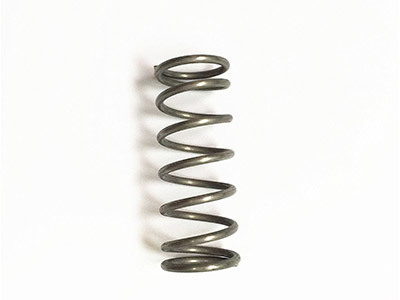
Compression springs are vital components in many manufacturing and industrial applications. They are designed to resist compressive forces, allowing them to store and release energy effectively. Here, we will explore the concept of durable compression springs, their applications, and the factors contributing to their strength and longevity.
A durable compression spring is typically made from high-quality materials that can withstand repeated loading and unloading cycles without significant wear or deformation. Common materials used in the manufacturing of these springs include stainless steel, carbon steel, and specialized alloys. The choice of material is crucial, as it affects the spring's performance, durability, and resistance to environmental factors such as corrosion and temperature fluctuations.
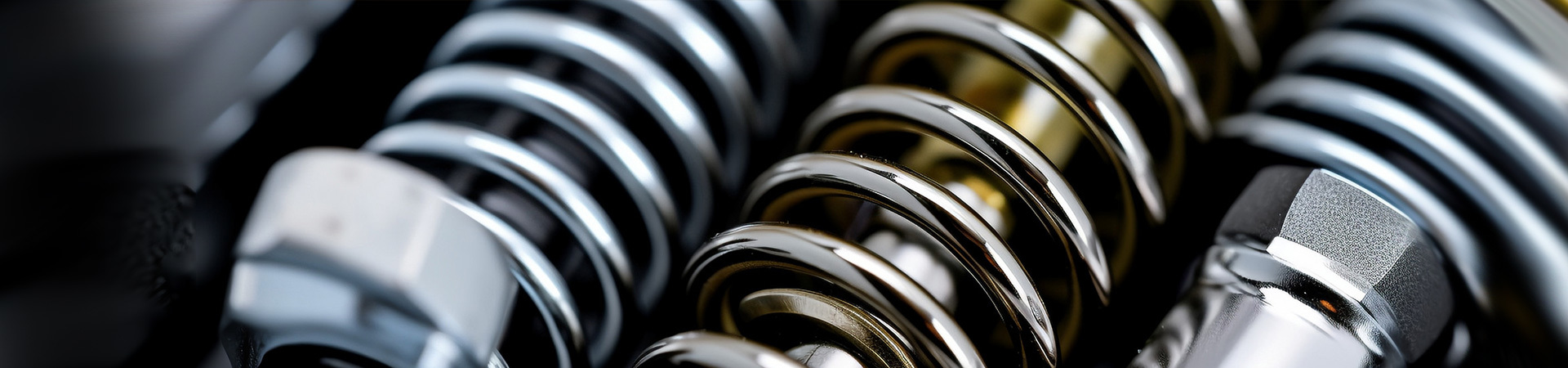
One of the primary applications of durable compression springs is in the automotive industry, where they are utilized in shock absorbers, clutches, and various other components. Their ability to compress and expand efficiently helps in maintaining the overall functionality and safety of automotive systems. Additionally, these springs are also found in appliances, industrial machinery, and even in medical devices, showcasing their versatility across different sectors.
When considering the durability of compression springs, several factors come into play. First, the spring's design—specifically its coil diameter, number of coils, and free length—directly impacts how well it can handle stress. Proper design ensures that the spring can maintain its shape and function over time, even under heavy loads.
Moreover, the manufacturing process itself plays a significant role in the spring's durability. Advanced techniques such as shot peening, surface hardening, and heat treatment can enhance the strength of the springs, making them more resilient to wear and fatigue. It is essential for manufacturers to adhere to strict quality control measures during production to ensure that every compression spring meets the necessary standards for durability.
In summary, durable compression springs are essential components in many mechanical systems, providing reliable energy storage and release capabilities. Their applications span various industries, from automotive to medical devices, owing to their effectiveness and resilience. By understanding the factors that contribute to the durability of these springs, manufacturers can make informed decisions regarding their materials and production processes, ultimately leading to better products and satisfied customers. The significance of durable compression springs cannot be understated—investing in high-quality springs is a crucial step towards enhancing the performance and longevity of any mechanical system.
A durable compression spring is typically made from high-quality materials that can withstand repeated loading and unloading cycles without significant wear or deformation. Common materials used in the manufacturing of these springs include stainless steel, carbon steel, and specialized alloys. The choice of material is crucial, as it affects the spring's performance, durability, and resistance to environmental factors such as corrosion and temperature fluctuations.
One of the primary applications of durable compression springs is in the automotive industry, where they are utilized in shock absorbers, clutches, and various other components. Their ability to compress and expand efficiently helps in maintaining the overall functionality and safety of automotive systems. Additionally, these springs are also found in appliances, industrial machinery, and even in medical devices, showcasing their versatility across different sectors.
When considering the durability of compression springs, several factors come into play. First, the spring's design—specifically its coil diameter, number of coils, and free length—directly impacts how well it can handle stress. Proper design ensures that the spring can maintain its shape and function over time, even under heavy loads.
Moreover, the manufacturing process itself plays a significant role in the spring's durability. Advanced techniques such as shot peening, surface hardening, and heat treatment can enhance the strength of the springs, making them more resilient to wear and fatigue. It is essential for manufacturers to adhere to strict quality control measures during production to ensure that every compression spring meets the necessary standards for durability.
In summary, durable compression springs are essential components in many mechanical systems, providing reliable energy storage and release capabilities. Their applications span various industries, from automotive to medical devices, owing to their effectiveness and resilience. By understanding the factors that contribute to the durability of these springs, manufacturers can make informed decisions regarding their materials and production processes, ultimately leading to better products and satisfied customers. The significance of durable compression springs cannot be understated—investing in high-quality springs is a crucial step towards enhancing the performance and longevity of any mechanical system.
Related News
Contact Us
E-mail:
WhatsAPP:
Address:
Wen 'an Industrial New Area (small Farm), Langfang, Hebei, China