

Unlocking the Benefits of Advanced Compression Springs in Manufacturing
Release Time:
2025-02-06
Unlocking the Benefits of Advanced Compression Springs in Manufacturing Table of Contents 1. Introduction to Compression Springs 2. Understanding Compression Springs: A Deep Dive 3. The Advantages of Advanced Compression Springs in Manufacturing 4. Key Applications of Compression Springs in Various Industries 5. Materials Used in Manufacturing Compression Springs 6. The Ma

Unlocking the Benefits of Advanced Compression Springs in Manufacturing
Table of Contents
- 1. Introduction to Compression Springs
- 2. Understanding Compression Springs: A Deep Dive
- 3. The Advantages of Advanced Compression Springs in Manufacturing
- 4. Key Applications of Compression Springs in Various Industries
- 5. Materials Used in Manufacturing Compression Springs
- 6. The Manufacturing Process of Compression Springs
- 7. Innovations in Compression Spring Technology
- 8. Maintenance Tips for Compression Springs
- 9. FAQs About Compression Springs
- 10. Conclusion
1. Introduction to Compression Springs
The world of manufacturing continually evolves, with new technologies and innovations shaping processes and enhancing efficiency. One component that plays a crucial role in this transformation is the **compression spring**. These springs are integral to countless applications, providing force and ensuring stability in machinery. In this article, we will explore the profound benefits of advanced compression springs, their applications, and the technological innovations driving their development.
2. Understanding Compression Springs: A Deep Dive
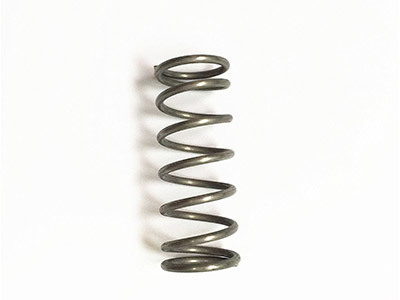
Compression springs are mechanical devices designed to store energy and resist compressive forces. They are typically cylindrical in shape and can be made from various materials, including steel and plastic.
2.1 Key Characteristics of Compression Springs
Compression springs are characterized by their ability to compress and return to their original shape when the force is removed. The design can vary in terms of coil diameter, wire diameter, and the number of active coils, affecting the spring's overall performance.
2.2 Types of Compression Springs
There are various types of compression springs, including:
- **Standard Compression Springs**: Used in general applications.
- **Conical Compression Springs**: Tapered design to allow for a more compact structure.
- **Progressive Compression Springs**: Designed to increase resistance as they compress, offering enhanced support.
3. The Advantages of Advanced Compression Springs in Manufacturing
The adoption of advanced compression springs offers numerous advantages that drive their popularity across various manufacturing sectors.
3.1 Enhanced Durability
Advanced compression springs are engineered for superior durability, allowing them to withstand harsh environments and heavy loads without losing functionality.
3.2 Increased Efficiency
By utilizing compression springs, manufacturers can streamline operations, reducing downtime and improving overall system efficiency. These springs help maintain consistent performance in machinery, leading to increased productivity.
3.3 Customization Options
Manufacturers can tailor compression springs to specific applications, choosing wire diameters, spring rates, and coil configurations to meet precise requirements. This flexibility ensures optimal performance in diverse scenarios.
4. Key Applications of Compression Springs in Various Industries
Compression springs find applications across multiple industries, showcasing their versatility and essential role in manufacturing.
4.1 Automotive Industry
In the automotive sector, compression springs are ubiquitous, providing critical functions in suspensions, brakes, and engine components. Their reliable performance contributes to vehicle safety and efficiency.
4.2 Aerospace Sector
The aerospace industry relies on compression springs for components in aircraft systems, ensuring performance and safety in high-stress conditions.
4.3 Electronics Manufacturing
Compression springs play a vital role in electronics, being used in devices such as switches and connectors, where reliable operation is crucial.
5. Materials Used in Manufacturing Compression Springs
The choice of materials significantly affects the performance and durability of compression springs. Common materials include:
5.1 Steel Alloys
High-carbon steel alloys are the most common materials for compression springs due to their strength and elasticity.
5.2 Stainless Steel
For applications requiring corrosion resistance, stainless steel is an excellent choice, providing longevity and reliability.
5.3 Other Materials
In specialized applications, materials like titanium and plastic may be used to meet specific operational requirements.
6. The Manufacturing Process of Compression Springs
The manufacturing of compression springs involves several key steps:
6.1 Wire Forming
The process begins with wire forming, where the raw material is shaped into a coil.
6.2 Heat Treatment
Heat treatment is critical to enhancing the spring's mechanical properties, allowing for better performance under stress.
6.3 Final Assembly and Testing
After forming and treatment, the springs undergo final assembly and rigorous testing to ensure they meet the specified quality standards.
7. Innovations in Compression Spring Technology
The industry is continually evolving, with innovations enhancing compression spring technology.
7.1 Computer-Aided Design (CAD)
The use of CAD software allows for precise design and simulation, enabling manufacturers to optimize spring performance before production.
7.2 Advanced Coatings
New coating technologies improve corrosion resistance and reduce friction, extending the lifespan of compression springs.
8. Maintenance Tips for Compression Springs
To ensure longevity and performance, proper maintenance of compression springs is essential.
8.1 Regular Inspections
Routine inspections can help identify wear and tear, allowing for timely replacements before failures occur.
8.2 Lubrication
Applying appropriate lubricants can minimize friction and prevent premature wear, enhancing performance.
9. FAQs About Compression Springs
9.1 What is the primary function of a compression spring?
The primary function of a compression spring is to store energy and apply force when compressed.
9.2 How are compression springs different from tension springs?
Compression springs resist compressive forces, while tension springs are designed to resist pulling forces.
9.3 What factors affect the performance of compression springs?
Factors such as material, wire diameter, coil configuration, and heat treatment play significant roles in the performance of compression springs.
9.4 Can compression springs be customized?
Yes, compression springs can be tailored to specific requirements, including dimensions, materials, and spring rates.
9.5 What industries utilize compression springs?
Compression springs are utilized in various industries, including automotive, aerospace, electronics, and manufacturing.
10. Conclusion
Advanced compression springs are indispensable components in modern manufacturing, offering numerous benefits such as enhanced durability, increased efficiency, and customization options. Their applications span a wide range of industries, showcasing their versatility and essential role in maintaining operational excellence. As technology continues to evolve, the advancements in compression spring design and manufacturing processes will further unlock their potential, ensuring they remain a cornerstone of innovation in the manufacturing sector. By understanding and leveraging the benefits of these springs, manufacturers can optimize their processes and improve overall product quality.
Related News
Contact Us
E-mail:
WhatsAPP:
Address:
Wen 'an Industrial New Area (small Farm), Langfang, Hebei, China