

Unleashing Performance: The Importance of Quality Compression Springs
Release Time:
2025-01-31
Unleashing Performance: The Importance of Quality Compression Springs Table of Contents Introduction to Compression Springs What Are Compression Springs? Design and Manufacturing of Compression Springs Applications of Compression Springs in Various Industries Benefits of Using Quality Compression Springs Choosing the Right Compression Spring for Your Needs Maintenance

Unleashing Performance: The Importance of Quality Compression Springs
Table of Contents
- Introduction to Compression Springs
- What Are Compression Springs?
- Design and Manufacturing of Compression Springs
- Applications of Compression Springs in Various Industries
- Benefits of Using Quality Compression Springs
- Choosing the Right Compression Spring for Your Needs
- Maintenance Practices for Compression Springs
- Conclusion
- FAQs
Introduction to Compression Springs
Compression springs play a pivotal role in the functionality and performance of various mechanical systems. These helical coils are designed to resist compressive forces and return to their original length once the load is removed. Whether in automotive applications, consumer electronics, or industrial machinery, the quality of compression springs directly affects system performance. Understanding their role and the importance of quality is crucial for engineers and manufacturers alike.
What Are Compression Springs?
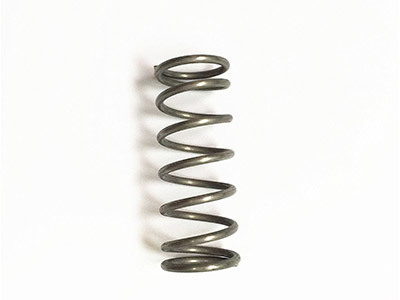
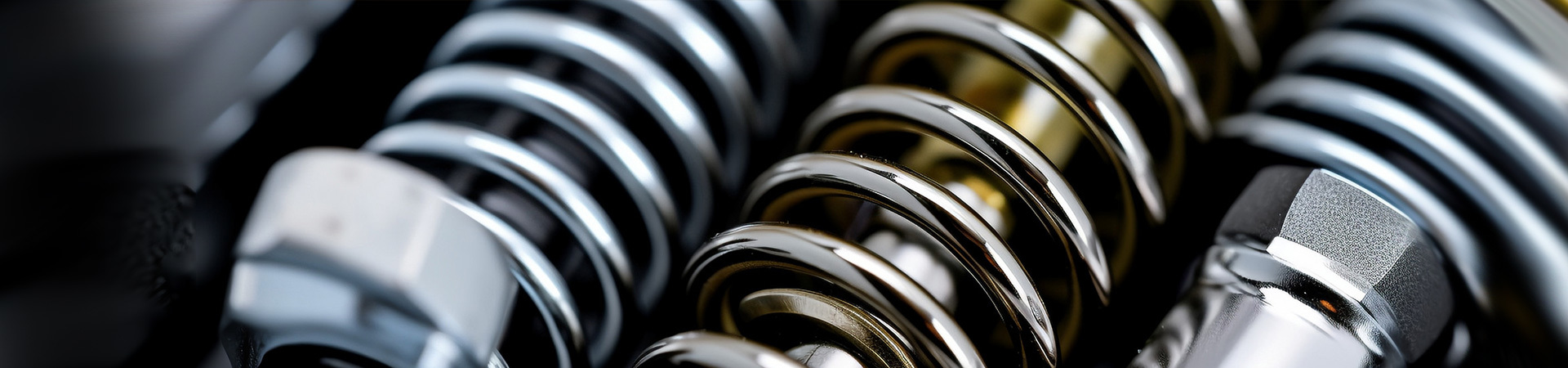
Compression springs are mechanical devices that absorb energy and exert a force in response to compression. They are typically made from metal wire coiled into a helix shape, allowing them to compress under load. The design of compression springs may vary, but their primary function remains the same: to store potential energy and release it when needed.
Key characteristics of compression springs include:
- **Material**: Common materials include stainless steel, carbon steel, and alloy steel, each offering different properties concerning strength, elasticity, and corrosion resistance.
- **Spring Constant**: This is a measure of the spring's stiffness, defined as the amount of force required to compress the spring by a unit distance.
- **Free Length and Solid Height**: The free length is the spring's length when no load is applied, while the solid height is the length when the spring is fully compressed.
Design and Manufacturing of Compression Springs
The design and manufacturing process of compression springs is intricate and requires precision. Several factors influence the spring's performance, including the wire diameter, coil diameter, and number of active coils.
Material Selection
Choosing the right material is fundamental for the spring's performance and longevity. High-carbon steel is often used for its excellent strength-to-weight ratio. However, for applications requiring corrosion resistance, stainless steel or specialized alloys may be preferable.
Coiling Process
The coiling of compression springs typically involves advanced machinery capable of producing precise helical shapes. Various methods, including cold coiling and hot coiling, can be utilized, depending on the material properties and desired characteristics.
Treatment and Finishing
Post-manufacturing processes such as heat treatment, surface hardening, and coating further enhance the strength and durability of compression springs. These treatments help prevent fatigue and extend the lifespan of the springs.
Applications of Compression Springs in Various Industries
Compression springs find applications across a wide spectrum of industries due to their versatility and reliability. Some prominent applications include:
Automotive Industry
In automotive manufacturing, compression springs are integral to suspension systems, clutch assemblies, and engine components. They absorb shocks and vibrations, ensuring a smooth ride and enhanced vehicle performance.
Consumer Electronics
In consumer electronics, compression springs are often used in mechanisms such as keyboards, remote controls, and gaming devices. Their ability to return to their original shape ensures reliable functionality.
Industrial Machinery
Many types of industrial machinery rely on compression springs for various operations, including assembly lines, presses, and packaging machines. They contribute to the efficiency and effectiveness of these machines.
Aerospace Applications
In the aerospace sector, compression springs are utilized in various applications, including landing gear and control systems. Their lightweight yet strong design makes them essential for flight safety and performance.
Benefits of Using Quality Compression Springs
Investing in high-quality compression springs can have a profound impact on overall performance and efficiency.
Improved Durability
Quality compression springs are manufactured with superior materials and processes, resulting in enhanced durability. They can withstand cyclic loading and environmental stress, reducing the likelihood of failure.
Consistent Performance
High-quality springs exhibit consistent behavior under load. This reliability is crucial in applications where precision and timing are critical, as it ensures safe and effective operation.
Cost-Effectiveness
While there may be an initial investment in quality compression springs, the long-term benefits include reduced maintenance costs, fewer replacements, and improved overall system performance.
Choosing the Right Compression Spring for Your Needs
Selecting the appropriate compression spring involves considering several critical factors to ensure compatibility with your application's requirements.
Determine the Load Requirements
Before choosing a compression spring, it is essential to calculate the load it will need to support. Understanding the maximum and minimum load expectations will help in selecting a spring with the appropriate spring constant.
Consider Environmental Factors
The operating environment can significantly affect the spring's performance and longevity. Factors such as temperature, humidity, and exposure to chemicals should be evaluated when selecting materials and coatings.
Consult with Experts
When in doubt, consulting with engineers or suppliers who specialize in spring design can provide valuable insights. They can assist in determining the best specifications for your specific needs.
Maintenance Practices for Compression Springs
Proper maintenance practices can significantly extend the lifespan of compression springs and ensure optimal performance.
Regular Inspections
Routine inspections help identify signs of wear or fatigue early on. Look for deformation, discoloration, or rust, which may indicate that the springs need replacement.
Lubrication
Applying the correct lubrication can reduce friction and wear, prolonging the life of compression springs. Ensure you use lubricants compatible with the spring material and operating environment.
Environment Control
Maintaining proper environmental conditions can also help reduce deterioration. This includes controlling exposure to moisture, extreme temperatures, and chemicals that may corrode or weaken the springs.
Conclusion
Quality compression springs are vital components in various mechanical systems, influencing performance, durability, and efficiency across multiple industries. By understanding their design, applications, and benefits, engineers and manufacturers can make informed decisions that lead to superior products and systems. Investing in high-quality compression springs will not only enhance performance but also reduce long-term costs associated with maintenance and replacements. As we continue to innovate and advance in engineering practices, the importance of quality compression springs will only grow, underscoring their role in achieving optimized machinery and systems.
FAQs
1. What materials are commonly used for compression springs?
The most common materials for compression springs include stainless steel, carbon steel, and alloy steel, each providing different characteristics for various applications.
2. How do I determine the right spring constant for my application?
The spring constant is determined by the load requirements of your application. Calculate the maximum and minimum loads to choose a spring that provides the necessary support.
3. What are the signs that a compression spring needs to be replaced?
Signs of wear include deformation, discoloration, rust, and a loss of spring tension. Regular inspections can help identify these issues early.
4. Can compression springs be repaired if damaged?
In most cases, it is more cost-effective to replace a damaged compression spring than to repair it. However, specific minor issues may be addressed depending on the extent of the damage.
5. How can I extend the lifespan of my compression springs?
Regular inspections, proper lubrication, and controlling the operating environment can significantly prolong the lifespan of compression springs.
Related News
Contact Us
E-mail:
WhatsAPP:
Address:
Wen 'an Industrial New Area (small Farm), Langfang, Hebei, China