


The Latest Innovations in Compression Springs: Enhancing Performance and Efficiency
Release Time:
2025-01-28
Compression springs are essential components in many mechanical systems, serving the purpose of storing and releasing energy. As industries continue to evolve, so does the technology behind compression springs. The newest compression springs are designed with enhanced performance and efficiency in mind, catering to the growing demands of various applications. One of the significant advancements in

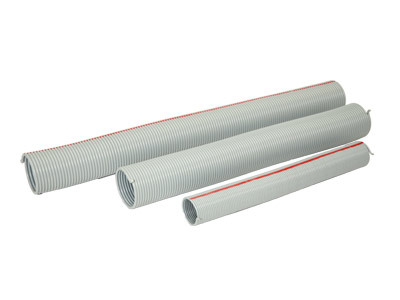
Compression springs are essential components in many mechanical systems, serving the purpose of storing and releasing energy. As industries continue to evolve, so does the technology behind compression springs. The newest compression springs are designed with enhanced performance and efficiency in mind, catering to the growing demands of various applications.
One of the significant advancements in compression spring technology is the use of advanced materials. Innovations in metallurgy have led to the development of springs that offer improved fatigue resistance and higher load-bearing capacities. These new materials can withstand extreme conditions, making them suitable for high-stress environments, such as automotive, aerospace, and industrial machinery.
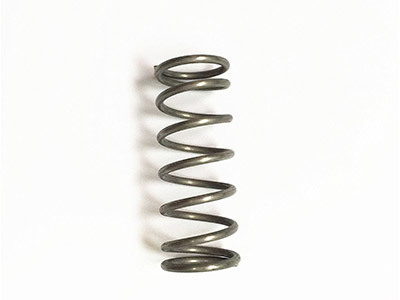
Another area of innovation is spring design. The newest compression springs often feature unique geometries that optimize their functionality. For instance, conical and barrel-shaped springs can provide a more compact design while still delivering the necessary force. This not only saves space but also allows for better energy absorption, reducing wear and tear on surrounding components.
Manufacturing processes have also seen significant improvements. The latest compression springs benefit from advancements in computer-aided design (CAD) and precision manufacturing techniques. These technologies enable manufacturers to create more complex spring designs with higher accuracy. As a result, the production process becomes more efficient, reducing waste and improving overall quality.
In addition to improved materials and design, the newest compression springs are often subjected to rigorous testing and quality assurance processes. This ensures that they meet the highest standards of performance and reliability. Manufacturers are increasingly adopting industry-specific testing protocols to verify that their springs can withstand the intended loads and cycles. This focus on quality helps to enhance customer satisfaction and reduce the likelihood of spring failure in critical applications.
It is also important to consider the applications of compression springs when selecting the newest models. Different industries may require specific characteristics based on their operational needs. For example, automotive applications may prioritize weight reduction and compact design, while aerospace applications may focus on the ability to perform in extreme temperatures and conditions.
In conclusion, the newest compression springs represent a significant leap forward in terms of material science, design, and manufacturing processes. By understanding the advancements in this field, manufacturers can make informed choices that lead to improved performance and efficiency in their products. Whether you are involved in automotive, aerospace, or industrial machinery, keeping abreast of these developments will ensure that you are utilizing the best compression spring technology available.
One of the significant advancements in compression spring technology is the use of advanced materials. Innovations in metallurgy have led to the development of springs that offer improved fatigue resistance and higher load-bearing capacities. These new materials can withstand extreme conditions, making them suitable for high-stress environments, such as automotive, aerospace, and industrial machinery.
Another area of innovation is spring design. The newest compression springs often feature unique geometries that optimize their functionality. For instance, conical and barrel-shaped springs can provide a more compact design while still delivering the necessary force. This not only saves space but also allows for better energy absorption, reducing wear and tear on surrounding components.
Manufacturing processes have also seen significant improvements. The latest compression springs benefit from advancements in computer-aided design (CAD) and precision manufacturing techniques. These technologies enable manufacturers to create more complex spring designs with higher accuracy. As a result, the production process becomes more efficient, reducing waste and improving overall quality.
In addition to improved materials and design, the newest compression springs are often subjected to rigorous testing and quality assurance processes. This ensures that they meet the highest standards of performance and reliability. Manufacturers are increasingly adopting industry-specific testing protocols to verify that their springs can withstand the intended loads and cycles. This focus on quality helps to enhance customer satisfaction and reduce the likelihood of spring failure in critical applications.
It is also important to consider the applications of compression springs when selecting the newest models. Different industries may require specific characteristics based on their operational needs. For example, automotive applications may prioritize weight reduction and compact design, while aerospace applications may focus on the ability to perform in extreme temperatures and conditions.
In conclusion, the newest compression springs represent a significant leap forward in terms of material science, design, and manufacturing processes. By understanding the advancements in this field, manufacturers can make informed choices that lead to improved performance and efficiency in their products. Whether you are involved in automotive, aerospace, or industrial machinery, keeping abreast of these developments will ensure that you are utilizing the best compression spring technology available.
Related News
Contact Us
E-mail:
WhatsAPP:
Address:
Wen 'an Industrial New Area (small Farm), Langfang, Hebei, China