

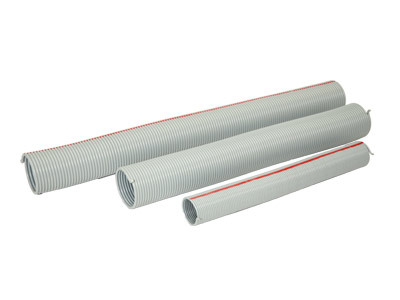

Understanding Coil Springs: Essential Components in Construction and Decoration
Release Time:
2025-01-10
Coil springs are integral components used in various applications, including the construction and decoration of buildings. These springs are designed to absorb and store energy, providing flexibility and support in a multitude of settings. Understanding coil springs is crucial for anyone involved in the architectural and design aspects of a project, particularly when it comes to door and window ha

Coil springs are integral components used in various applications, including the construction and decoration of buildings. These springs are designed to absorb and store energy, providing flexibility and support in a multitude of settings. Understanding coil springs is crucial for anyone involved in the architectural and design aspects of a project, particularly when it comes to door and window hardware.
In the context of construction, coil springs serve several purposes. They are commonly used in hinges and latches, allowing doors and windows to operate smoothly while maintaining structural integrity. The precise tension and resistance offered by coil springs ensure that these elements function correctly and can withstand daily wear and tear. Without coil springs, many mechanisms would be prone to failure, leading to potential safety hazards.
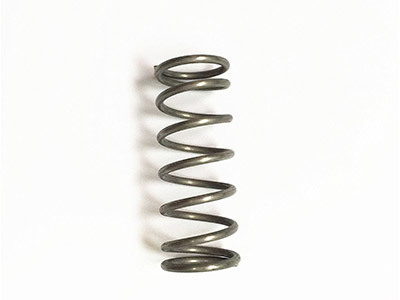
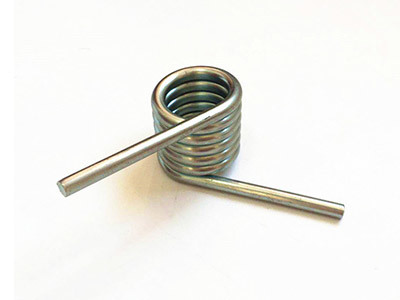
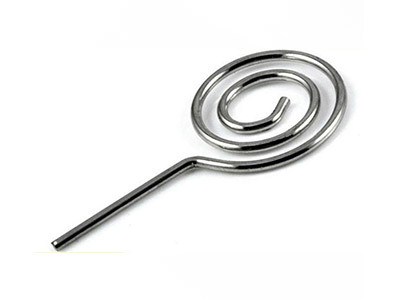
The manufacturing process of coil springs involves coiling metal wire into a spiral shape. This design allows the spring to compress and extend, making it an effective tool for absorbing shock and preventing overload. The materials used in coil springs can vary, with options ranging from stainless steel to more specialized alloys, depending on the specific requirements of the project. The choice of material can influence the spring's durability, corrosion resistance, and overall performance.
In addition to their structural applications, coil springs are also relevant in design and aesthetics. They can be incorporated into various decorative hardware elements, adding both functionality and visual interest. For example, exposed coil springs can be used as a design feature in modern architecture, showcasing the blend of form and function. This dual role highlights the importance of coil springs not just as mechanical components but as part of the overall aesthetic of a space.
When selecting coil springs for a project, it’s essential to consider factors such as load capacity, size, and environment. Projects that require springs to be exposed to moisture or extreme temperatures must ensure that the materials chosen can withstand these conditions. Proper installation is equally important; springs should be fitted correctly to avoid performance issues and potential damage.
In conclusion, coil springs are a fundamental aspect of construction and decorative materials, especially in the realm of door and window hardware. Their ability to absorb shock, provide support, and enhance aesthetic appeal makes them invaluable in various applications. Understanding the role and functionality of coil springs can lead to better design choices and ultimately contribute to the success of a construction project. Whether you’re a builder, architect, or designer, recognizing the importance of these components will help you make informed decisions that enhance both safety and aesthetics.
In the context of construction, coil springs serve several purposes. They are commonly used in hinges and latches, allowing doors and windows to operate smoothly while maintaining structural integrity. The precise tension and resistance offered by coil springs ensure that these elements function correctly and can withstand daily wear and tear. Without coil springs, many mechanisms would be prone to failure, leading to potential safety hazards.
The manufacturing process of coil springs involves coiling metal wire into a spiral shape. This design allows the spring to compress and extend, making it an effective tool for absorbing shock and preventing overload. The materials used in coil springs can vary, with options ranging from stainless steel to more specialized alloys, depending on the specific requirements of the project. The choice of material can influence the spring's durability, corrosion resistance, and overall performance.
In addition to their structural applications, coil springs are also relevant in design and aesthetics. They can be incorporated into various decorative hardware elements, adding both functionality and visual interest. For example, exposed coil springs can be used as a design feature in modern architecture, showcasing the blend of form and function. This dual role highlights the importance of coil springs not just as mechanical components but as part of the overall aesthetic of a space.
When selecting coil springs for a project, it’s essential to consider factors such as load capacity, size, and environment. Projects that require springs to be exposed to moisture or extreme temperatures must ensure that the materials chosen can withstand these conditions. Proper installation is equally important; springs should be fitted correctly to avoid performance issues and potential damage.
In conclusion, coil springs are a fundamental aspect of construction and decorative materials, especially in the realm of door and window hardware. Their ability to absorb shock, provide support, and enhance aesthetic appeal makes them invaluable in various applications. Understanding the role and functionality of coil springs can lead to better design choices and ultimately contribute to the success of a construction project. Whether you’re a builder, architect, or designer, recognizing the importance of these components will help you make informed decisions that enhance both safety and aesthetics.
Related News
Contact Us
E-mail:
WhatsAPP:
Address:
Wen 'an Industrial New Area (small Farm), Langfang, Hebei, China