

The Role of Torsion Springs in Modern Construction Materials
Release Time:
2025-01-09
The Role of Torsion Springs in Modern Construction Materials Table of Contents 1. Introduction to Torsion Springs 2. Understanding Torsion Springs in Depth 3. Applications of Torsion Springs in Construction 4. Enhancing Performance with Torsion Springs 5. Design Considerations for Torsion Springs 6. Advantages of Using Torsion Springs 7. The Future of Torsion Springs i

The Role of Torsion Springs in Modern Construction Materials
Table of Contents
- 1. Introduction to Torsion Springs
- 2. Understanding Torsion Springs in Depth
- 3. Applications of Torsion Springs in Construction
- 4. Enhancing Performance with Torsion Springs
- 5. Design Considerations for Torsion Springs
- 6. Advantages of Using Torsion Springs
- 7. The Future of Torsion Springs in Building Materials
- 8. Frequently Asked Questions
- 9. Conclusion
1. Introduction to Torsion Springs
In the ever-evolving world of construction materials, **torsion springs** have emerged as pivotal components that provide crucial support in various applications. These **mechanical devices** enable movement and control in doors, windows, and other structural elements, enhancing both functionality and aesthetics. Understanding their role is essential for professionals in the industry, as it leads to more efficient designs and improved building performance.
2. Understanding Torsion Springs in Depth
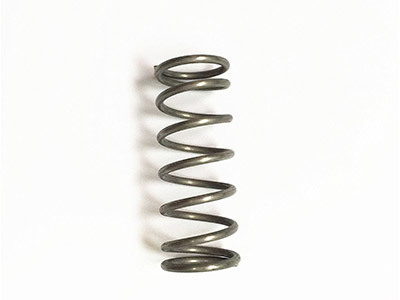
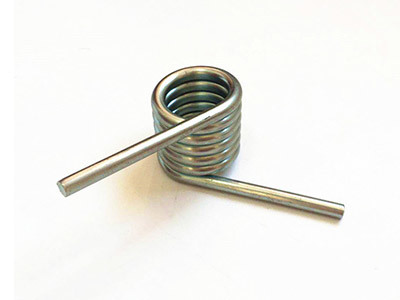
Torsion springs are specialized springs designed to operate by twisting or rotating. Unlike traditional compression or extension springs, torsion springs store energy when they are turned around their axis. As they twist, they create a torque, which is the rotational equivalent of linear force. This unique mechanism allows them to perform in applications where linear springs fail to provide the required force or movement.
2.1 Composition and Types of Torsion Springs
Torsion springs can be made from various materials, including stainless steel, carbon steel, and other alloys, offering different grades of tensile strength and durability. The two main types are **regular torsion springs**, which have a straight body, and **double torsion springs**, which consist of two intertwined coils, allowing for greater flexibility and strength in applications requiring a higher load capacity.
2.2 How Torsion Springs Work
The functionality of torsion springs is based on Hooke’s law, which states that the force exerted by a spring is proportional to its extension or compression. In the case of torsion springs, the force is proportional to the angle of twist. By calculating the number of coils, wire diameter, and material properties, engineers can design torsion springs that meet specific load and motion requirements.
3. Applications of Torsion Springs in Construction
Torsion springs are utilized in a myriad of applications within the construction industry. Their versatility makes them ideal for various designs, including:
3.1 Door and Window Mechanisms
Torsion springs are widely used in door and window mechanisms, such as in garage doors and rolling shutters. They help balance the weight of the door, aiding in smooth opening and closing while reducing strain on the operable parts.
3.2 HVAC Systems
In heating, ventilation, and air conditioning (HVAC) systems, torsion springs play a critical role in controlling damper positions. Properly designed torsion springs ensure that dampers operate efficiently, maintaining airflow and reducing energy consumption.
3.3 Furniture and Fixtures
In modern furniture design, torsion springs are used in adjustable components such as reclining mechanisms. They allow for smooth transitions between positions, enhancing user comfort and functionality.
4. Enhancing Performance with Torsion Springs
The integration of torsion springs into building materials does not merely provide mechanical function; it significantly enhances overall performance.
4.1 Improved Load Management
Torsion springs aid in load management by distributing weight evenly across structures. This capability is particularly vital in large installations, such as commercial buildings, where uneven weight distribution can lead to structural failure.
4.2 Energy Efficiency
By facilitating smoother operation in mechanical systems, torsion springs contribute to energy efficiency. For instance, in garage doors, they reduce the energy required to lift heavy doors, resulting in lower utility costs.
4.3 Durability and Longevity
Constructing components with torsion springs increases durability. Their capacity to withstand repeated twisting without losing functionality means that structures remain intact longer, reducing maintenance costs and improving reliability.
5. Design Considerations for Torsion Springs
When designing systems that incorporate torsion springs, several factors must be taken into account to ensure optimal performance.
5.1 Material Selection
Choosing the right material is critical. The material must possess adequate tensile strength and elasticity to endure repeated twisting without deformation. Stainless steel is often preferred due to its corrosion resistance and longevity.
5.2 Spring Geometry
The geometry of the spring, including wire diameter and coil number, directly affects its performance. Engineers must calculate these parameters based on expected load and motion to design effective torsion springs.
5.3 Environmental Factors
Environmental conditions, such as temperature fluctuations and exposure to moisture, can affect the material properties of torsion springs. Designing with these factors in mind will enhance the lifespan and functionality of the spring.
6. Advantages of Using Torsion Springs
The inclusion of torsion springs in modern construction materials presents numerous advantages.
6.1 Space Efficiency
Torsion springs can be designed to occupy minimal space while providing significant mechanical advantage. This compactness allows for innovative designs in applications where space is at a premium.
6.2 Cost Effectiveness
By improving energy efficiency and reducing wear on mechanical systems, torsion springs contribute to lower operational costs over time, making them a cost-effective solution in construction.
6.3 Customization
Torsion springs can be custom-designed to meet specific operational requirements. This flexibility allows designers to create tailored solutions for unique applications.
7. The Future of Torsion Springs in Building Materials
As technology continues to advance, the role of torsion springs in construction materials will likely expand. Innovations in materials science may lead to even more resilient and efficient torsion springs that can withstand greater loads and operate in harsher environments.
7.1 Smart Building Integration
The rise of smart buildings, which incorporate advanced technology for enhanced performance, may see an increase in the use of torsion springs in automated systems. These advancements could improve comfort, efficiency, and security in modern structures.
7.2 Sustainable Practices
The construction industry is gradually shifting towards more sustainable practices. Torsion springs can play a role in this transformation by reducing energy consumption through more efficient systems and contributing to longer-lasting structures.
8. Frequently Asked Questions
8.1 What are torsion springs used for in construction?
Torsion springs are primarily used in door and window mechanisms, HVAC systems, and adjustable furniture components.
8.2 How do torsion springs differ from other types of springs?
Torsion springs operate by twisting, unlike compression or extension springs, which operate through linear forces.
8.3 What materials are best for torsion springs?
Stainless steel and high-carbon steel are popular choices due to their strength and resistance to deformation.
8.4 Can torsion springs be customized?
Yes, torsion springs can be designed with specific parameters to meet the unique needs of different applications.
8.5 What are the benefits of using torsion springs in construction?
Torsion springs provide improved load management, energy efficiency, and durability, making them advantageous in various applications.
9. Conclusion
Torsion springs play an integral role in modern construction materials, enhancing functionality and efficiency across various applications. Their unique characteristics allow for innovative designs that improve mechanical performance while reducing costs and energy consumption. As the construction industry continues to evolve, the importance of torsion springs will only grow, making them essential components in the quest for smarter, more sustainable buildings.
Related News
Contact Us
E-mail:
WhatsAPP:
Address:
Wen 'an Industrial New Area (small Farm), Langfang, Hebei, China