

How to Identify When You Need to Fix Your Garage Spring: A Comprehensive Guide for Homeowners
Release Time:
2024-12-23
How to Identify When You Need to Fix Your Garage Spring Table of Contents Understanding Garage Springs Common Types of Garage Springs Signs Your Garage Spring Needs Repair The Importance of Garage Spring Maintenance How to Troubleshoot Garage Spring Issues When to Call a Professional Repair or Replace Your Garage Spring? FAQs About Garage Spring R

How to Identify When You Need to Fix Your Garage Spring
Table of Contents
- Understanding Garage Springs
- Common Types of Garage Springs
- Signs Your Garage Spring Needs Repair
- The Importance of Garage Spring Maintenance
- How to Troubleshoot Garage Spring Issues
- When to Call a Professional
- Repair or Replace Your Garage Spring?
- FAQs About Garage Spring Repair
Understanding Garage Springs
Garage springs are essential components of your garage door system, responsible for lifting and lowering the door effortlessly. They store energy and play a crucial role in balancing the weight of the garage door, making it easier for the opener to operate. Understanding how these springs work will help you identify potential issues and ensure the longevity of your garage door.
How Garage Springs Function
Garage springs work on the principle of tension and torsion. When you activate the garage door opener, the springs release the stored energy, enabling the door to rise smoothly. Conversely, as the door descends, the springs absorb energy, which helps in controlling the speed and stability of the door's motion.
Common Types of Garage Springs
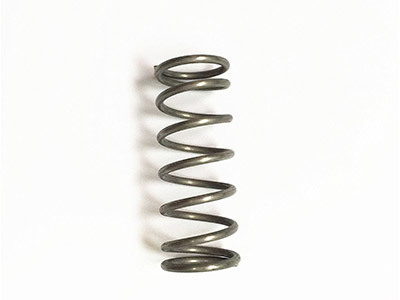
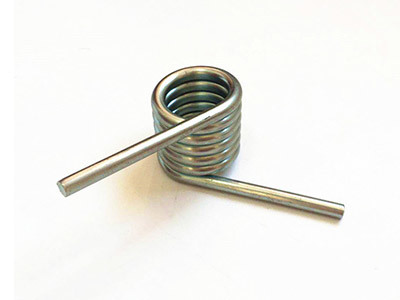
There are two primary types of garage springs: torsion springs and extension springs. Each type has its unique mechanism and maintenance requirements.
Torsion Springs
Torsion springs are typically mounted above the garage door opening. They work by twisting and storing energy during the door’s operation. These springs are known for their durability and effectiveness, often lasting longer than extension springs.
Extension Springs
Extension springs are located on either side of the garage door tracks. They stretch and contract as the door opens and closes. While generally less expensive, extension springs can wear out more quickly than torsion springs, requiring more frequent replacement.
Signs Your Garage Spring Needs Repair
Identifying the signs of a failing garage spring can save you from costly repairs and potential accidents. Here are several indicators that your garage spring may need attention:
1. Garage Door Won't Open or Close
If your garage door struggles to open or close, it may be a sign of a malfunctioning spring. Pay close attention to any unusual noises during operation.
2. Uneven Door Movement
When the door opens or closes unevenly, it can indicate that one of the springs is failing. This can lead to additional strain on the garage door opener.
3. Visible Damage or Wear
Inspect the springs for any visible signs of wear, such as rust, cracks, or deformation. Damaged springs should be replaced immediately to prevent further issues.
4. Loud Noises During Operation
Unusual sounds, such as loud bangs or squeaks, can indicate that the springs are under excessive strain or are beginning to fail.
5. Door Drops or Slams Close
If your garage door drops suddenly or slams shut instead of lowering smoothly, it’s a critical sign that the springs are not functioning correctly.
The Importance of Garage Spring Maintenance
Regular maintenance of your garage springs is essential not only for the longevity of the door but also for your safety. A well-maintained garage door operates efficiently, reducing the wear and tear on its components.
Routine Inspections
Conduct routine inspections of your garage door and springs every few months. Look for any signs of wear and tear, and listen for any unusual noises.
Lubrication
Applying a silicone-based lubricant to the springs can reduce friction and wear. Ensure you don’t over-lubricate, as this can attract dust and dirt.
Professional Maintenance
Consider hiring a professional for annual maintenance. They can thoroughly inspect the entire garage door system, identifying any potential issues before they become severe problems.
How to Troubleshoot Garage Spring Issues
If you suspect that your garage spring is malfunctioning, there are steps you can take to troubleshoot the issue before calling a professional.
1. Check for Obstructions
Inspect the garage door tracks for any obstructions that may impede its movement. Clear any debris that may be causing issues.
2. Test the Door Balance
Disconnect the garage door opener and manually lift the door halfway. If it stays in place, the springs are functioning correctly. If it drops or rises, the springs may need adjustment or replacement.
3. Inspect the Cables
Examine the cables connected to the springs for any signs of fraying or damage. Worn cables can affect the performance of the springs.
When to Call a Professional
While some garage spring issues can be resolved through troubleshooting, certain situations require professional expertise.
1. Complex Repairs
If you notice significant damage or your door is completely inoperable, it’s best to contact a professional for repair or replacement.
2. Safety Concerns
Garage springs are under high tension, and attempting to repair or replace them without proper training can be dangerous. It's advisable to seek expert assistance in such cases.
Repair or Replace Your Garage Spring?
When faced with a malfunctioning garage spring, homeowners may wonder whether to repair or replace it. Several factors can influence this decision:
1. Age of the Spring
If the springs are old and nearing the end of their lifespan, it may be more cost-effective to replace them rather than repair them.
2. Extent of Damage
If the damage is minor and repair is feasible, a professional can make the necessary adjustments. However, significant damage typically necessitates a complete replacement.
3. Cost Considerations
Compare the costs of repair versus replacement. In some cases, investing in a new spring may save you more in the long run, especially if the existing spring has a history of recurring issues.
FAQs About Garage Spring Repair
1. How long do garage springs last?
Typically, garage springs last about 10,000 cycles, which can equate to 7-12 years, depending on usage and maintenance.
2. Can I fix a garage spring myself?
While some minor adjustments can be made, it’s highly recommended to seek professional help due to the dangers associated with high-tension springs.
3. What is the cost to replace a garage spring?
The cost for spring replacement varies widely but generally ranges from $150 to $350, depending on the type of spring and labor costs.
4. How can I prevent garage spring issues?
Regular maintenance, including inspections and lubrication, can help prevent issues with your garage springs.
5. What should I do if my garage door is stuck?
First, check for obstructions, then test the door balance. If the problem persists, consider calling a professional for assistance.
Conclusion
Identifying when you need to fix your garage spring is vital for maintaining a safe and functional garage door. By understanding the signs of wear and tear, knowing when to troubleshoot, and recognizing when to call in a professional, you can ensure that your garage door operates smoothly for years to come. Regular maintenance not only prolongs the life of your garage springs but also enhances the safety of your home. Stay vigilant and proactive—your garage door will thank you!
Related News
Contact Us
E-mail:
WhatsAPP:
Address:
Wen 'an Industrial New Area (small Farm), Langfang, Hebei, China