

Understanding Industrial Door Springs: Essential Components for Efficiency and Safety
Release Time:
2024-12-22
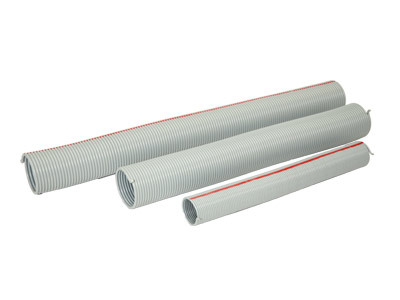
Industrial door springs are essential components that enable heavy doors, such as those found in warehouses, factories, and commercial buildings, to operate smoothly and efficiently. These springs are designed to counterbalance the weight of the door, making it easier to open and close while ensuring safety in high-traffic environments. Understanding the functionality, types, and maintenance of in

Industrial door springs are essential components that enable heavy doors, such as those found in warehouses, factories, and commercial buildings, to operate smoothly and efficiently. These springs are designed to counterbalance the weight of the door, making it easier to open and close while ensuring safety in high-traffic environments. Understanding the functionality, types, and maintenance of industrial door springs is crucial for professionals involved in the construction and decoration materials sector, particularly in the realm of door and window hardware.
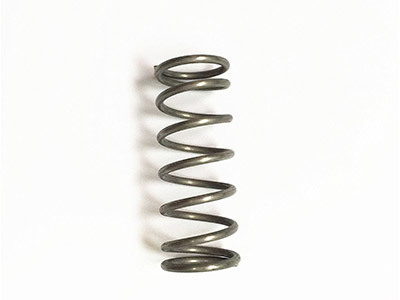
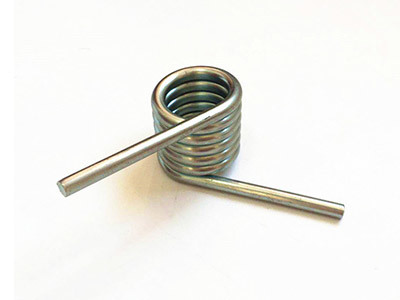
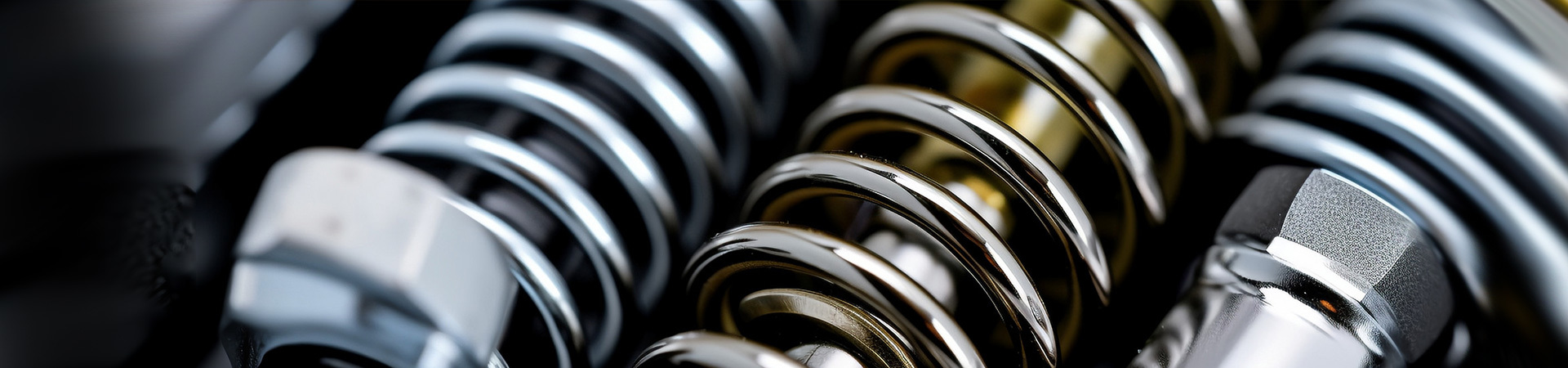
There are two primary types of industrial door springs: torsion springs and extension springs. Torsion springs are mounted above the door and rotate to lift the door when it is opened. They are often favored for their ability to handle heavier doors and provide greater durability. Extension springs, on the other hand, are located on either side of the door and stretch to provide the necessary force to lift the door. Each type has its advantages, and the choice between them often depends on the specific needs of the facility and the door's weight and dimensions.
Proper installation and maintenance of industrial door springs are vital for ensuring long-lasting performance and safety. Regular inspections should be conducted to check for signs of wear, such as cracks or corrosion. These inspections can prevent unexpected failures, which can lead to costly repairs or even accidents. When issues are identified, replacement springs should be of high quality to ensure compatibility and reliability. It is advisable to consult with professionals for installation and maintenance, as incorrect handling can lead to significant safety hazards.
In addition to safety, the choice of industrial door springs impacts the overall efficiency of the door system. High-quality springs contribute to reduced energy consumption since they facilitate smoother door operation, which is particularly important in facilities with high traffic. Moreover, the right springs can enhance the lifespan of the door itself, reducing the frequency of repairs or replacements.
In summary, industrial door springs play an indispensable role in the functionality and safety of heavy doors in commercial and industrial settings. Understanding the types of springs, their maintenance, and the importance of using high-quality components can greatly benefit professionals in the building and decoration materials industry. By prioritizing quality and safety in the selection of industrial door springs, businesses can ensure optimal performance and longevity of their door systems.
There are two primary types of industrial door springs: torsion springs and extension springs. Torsion springs are mounted above the door and rotate to lift the door when it is opened. They are often favored for their ability to handle heavier doors and provide greater durability. Extension springs, on the other hand, are located on either side of the door and stretch to provide the necessary force to lift the door. Each type has its advantages, and the choice between them often depends on the specific needs of the facility and the door's weight and dimensions.
Proper installation and maintenance of industrial door springs are vital for ensuring long-lasting performance and safety. Regular inspections should be conducted to check for signs of wear, such as cracks or corrosion. These inspections can prevent unexpected failures, which can lead to costly repairs or even accidents. When issues are identified, replacement springs should be of high quality to ensure compatibility and reliability. It is advisable to consult with professionals for installation and maintenance, as incorrect handling can lead to significant safety hazards.
In addition to safety, the choice of industrial door springs impacts the overall efficiency of the door system. High-quality springs contribute to reduced energy consumption since they facilitate smoother door operation, which is particularly important in facilities with high traffic. Moreover, the right springs can enhance the lifespan of the door itself, reducing the frequency of repairs or replacements.
In summary, industrial door springs play an indispensable role in the functionality and safety of heavy doors in commercial and industrial settings. Understanding the types of springs, their maintenance, and the importance of using high-quality components can greatly benefit professionals in the building and decoration materials industry. By prioritizing quality and safety in the selection of industrial door springs, businesses can ensure optimal performance and longevity of their door systems.
Related News
Contact Us
E-mail:
WhatsAPP:
Address:
Wen 'an Industrial New Area (small Farm), Langfang, Hebei, China