

Understanding Axial Torsion Springs: Key Features and Applications
Release Time:
2024-12-16
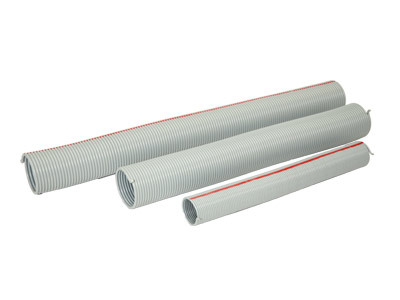
Axial torsion springs are vital components in various mechanical systems, particularly in manufacturing and processing machinery. These springs are designed to store and release rotational energy, making them ideal for applications requiring torque generation. Unlike conventional compression or extension springs, axial torsion springs function primarily through twisting, allowing them to maintain

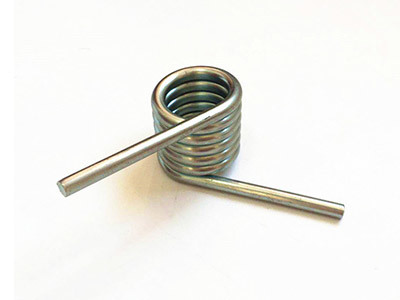
Axial torsion springs are vital components in various mechanical systems, particularly in manufacturing and processing machinery. These springs are designed to store and release rotational energy, making them ideal for applications requiring torque generation. Unlike conventional compression or extension springs, axial torsion springs function primarily through twisting, allowing them to maintain consistent force over a range of rotational movements.
One of the defining features of axial torsion springs is their ability to provide reliable torque in a compact form. This is achieved through their unique design, which allows them to be coiled into a tight space while still delivering significant force. Manufacturers often incorporate these springs into devices such as door hinges, automotive mechanisms, and various industrial machinery. Their efficient use of space and energy makes them a preferred choice in applications where design constraints require innovative solutions.
In terms of materials, axial torsion springs can be made from a variety of alloys, including stainless steel, carbon steel, and other specialty materials. The choice of material is crucial, as it influences the spring's performance, durability, and resistance to environmental factors such as corrosion and fatigue. Manufacturers typically select materials based on the specific requirements of the application to ensure optimal performance and longevity.
Another essential aspect of axial torsion springs is their customization potential. Many manufacturers offer bespoke solutions tailored to the unique needs of their clients. This customization can include variations in dimensions, coil design, and material selection, allowing for a perfect fit in specific applications. By collaborating with experienced engineers, clients can ensure that the axial torsion springs they use are designed for optimal performance in their particular machinery.
Furthermore, axial torsion springs contribute to energy efficiency in mechanical systems. By providing consistent torque output, they help reduce energy consumption and wear on other components, ultimately leading to lower operational costs. In industries where precision and reliability are paramount, the use of quality axial torsion springs can significantly enhance overall system performance.
In summary, axial torsion springs are an indispensable part of modern manufacturing and processing machinery. Their ability to store and release rotational energy, coupled with their compact design and customization options, makes them suitable for a wide range of applications. Whether you are designing new equipment or maintaining existing machinery, understanding the role of axial torsion springs is essential for ensuring efficiency, durability, and performance in your operations.
One of the defining features of axial torsion springs is their ability to provide reliable torque in a compact form. This is achieved through their unique design, which allows them to be coiled into a tight space while still delivering significant force. Manufacturers often incorporate these springs into devices such as door hinges, automotive mechanisms, and various industrial machinery. Their efficient use of space and energy makes them a preferred choice in applications where design constraints require innovative solutions.
In terms of materials, axial torsion springs can be made from a variety of alloys, including stainless steel, carbon steel, and other specialty materials. The choice of material is crucial, as it influences the spring's performance, durability, and resistance to environmental factors such as corrosion and fatigue. Manufacturers typically select materials based on the specific requirements of the application to ensure optimal performance and longevity.
Another essential aspect of axial torsion springs is their customization potential. Many manufacturers offer bespoke solutions tailored to the unique needs of their clients. This customization can include variations in dimensions, coil design, and material selection, allowing for a perfect fit in specific applications. By collaborating with experienced engineers, clients can ensure that the axial torsion springs they use are designed for optimal performance in their particular machinery.
Furthermore, axial torsion springs contribute to energy efficiency in mechanical systems. By providing consistent torque output, they help reduce energy consumption and wear on other components, ultimately leading to lower operational costs. In industries where precision and reliability are paramount, the use of quality axial torsion springs can significantly enhance overall system performance.
In summary, axial torsion springs are an indispensable part of modern manufacturing and processing machinery. Their ability to store and release rotational energy, coupled with their compact design and customization options, makes them suitable for a wide range of applications. Whether you are designing new equipment or maintaining existing machinery, understanding the role of axial torsion springs is essential for ensuring efficiency, durability, and performance in your operations.
Related News
Contact Us
E-mail:
WhatsAPP:
Address:
Wen 'an Industrial New Area (small Farm), Langfang, Hebei, China