

Innovative Uses for Special Shaped Springs in Modern Architecture
Release Time:
2024-12-15
Innovative Uses for Special Shaped Springs in Modern Architecture Table of Contents 1. Introduction to Special Shaped Springs 2. Understanding the Different Types of Springs 3. Importance of Special Shaped Springs in Architecture 4. Applications of Special Shaped Springs in Modern Architectural Designs 4.1 Curved Structures 4.2 Dynamic Systems

Innovative Uses for Special Shaped Springs in Modern Architecture
Table of Contents
- 1. Introduction to Special Shaped Springs
- 2. Understanding the Different Types of Springs
- 3. Importance of Special Shaped Springs in Architecture
- 4. Applications of Special Shaped Springs in Modern Architectural Designs
- 5. Case Studies of Innovative Uses
- 6. Future Trends in Spring Utilization
- 7. Challenges and Considerations
- 8. Conclusion
- 9. Frequently Asked Questions
1. Introduction to Special Shaped Springs
The realm of architecture continually evolves, showcasing innovative materials and techniques that push the boundaries of design and functionality. Among these advancements, **special shaped springs** have emerged as pivotal components in modern architecture. These springs, crafted from various materials and in diverse configurations, serve not only as structural elements but also as facilitators of creative expression. This article explores their innovative applications, the advantages they offer, and their significance in the architectural landscape.
2. Understanding the Different Types of Springs
Before delving into the myriad uses of special shaped springs, it is essential to understand the various types available. Springs can be categorized based on their shape and application:
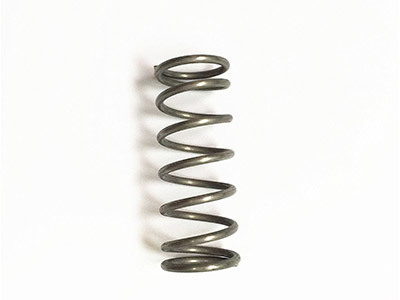
Compression Springs
Compression springs are designed to resist compressive forces. They are commonly used in applications where space constraints require compact designs.
Tension Springs
These springs work under tension, providing resistance to pulling forces. They are vital in applications where flexible movement is necessary.
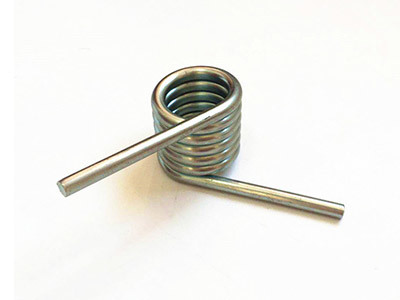
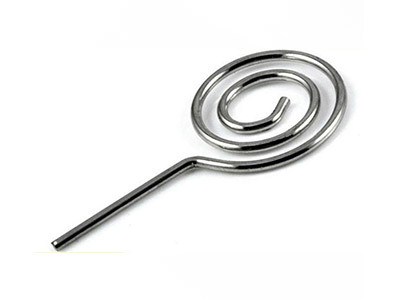
Special Shaped Springs
Special shaped springs are customized to meet specific design requirements, featuring unique geometries that enhance their performance in architectural applications.
3. Importance of Special Shaped Springs in Architecture
Special shaped springs are integral to modern architecture for several reasons:
- Flexibility: Their unique designs allow architects and engineers to create structures that can adapt to various loads and stresses.
- Design Aesthetics: These springs can be incorporated into the visual framework of a building, enhancing its overall aesthetic appeal.
- Structural Integrity: Properly designed springs contribute to the stability and durability of a structure, ensuring long-term performance.
4. Applications of Special Shaped Springs in Modern Architectural Designs
In the evolving field of architecture, special shaped springs find a wide array of applications that enhance both functionality and design. Below, we explore some of these innovative uses:
4.1 Curved Structures
Curved architecture has gained popularity for its dynamic visual impact. Special shaped springs enable the creation of **curved frameworks**, allowing architects to experiment with organic shapes that were previously challenging to construct. By employing these springs, designers can achieve greater flexibility and control over the curvature of their structures, resulting in stunning, sculptural forms.
4.2 Dynamic Systems
Dynamic architectural systems, such as retractable roofs and movable walls, often rely on special shaped springs to facilitate movement. These springs provide the necessary tension and support, ensuring that components operate smoothly and efficiently while remaining aesthetically pleasing. This application is particularly useful in sports facilities, theaters, and exhibition centers.
4.3 Suspension Systems
Suspension systems are critical in high-rise buildings and bridges, where they counteract forces that could compromise structural integrity. Special shaped springs play a significant role in these systems by absorbing vibrations and ensuring stability. Their unique shapes help distribute loads evenly, contributing to the overall safety and durability of architectural marvels.
4.4 Energy Absorbing Systems
In earthquake-prone regions, energy-absorbing systems are vital for protecting structures from seismic activity. Special shaped springs are engineered to absorb and dissipate energy, reducing the impact of tremors on buildings. This innovative use of springs enhances the resilience of modern architecture, safeguarding both lives and investments.
5. Case Studies of Innovative Uses
Several landmark projects demonstrate the innovative applications of special shaped springs in architecture:
The Edge in Amsterdam
Known for its unique design, The Edge employs special shaped springs within its structural framework to support its distinctive cantilevered sections. These springs facilitate the building's dynamic movement while maintaining stability, allowing for a striking architectural vision that challenges conventional designs.
Millennium Dome in London
The Millennium Dome showcases advanced engineering techniques, prominently featuring special shaped springs in its tensioned fabric structure. These springs are instrumental in maintaining the dome's integrity against environmental forces, enabling it to stand as an iconic symbol of innovation in architecture.
High Line Park in New York City
The transformation of the High Line from an old railway into a public park utilized special shaped springs to support various plantings and pathways. This clever application not only preserved the historical structure but also incorporated aesthetic elements that enhanced the urban landscape.
6. Future Trends in Spring Utilization
The future of architecture lies in **sustainability** and intelligent design, and special shaped springs are poised to play a significant role in this evolution. Emerging trends include:
- Eco-friendly Materials: The development of springs from sustainable materials will reduce the environmental impact of construction.
- Smart Springs: Integration of technology into spring design, including sensors and actuators, will allow for real-time monitoring and adaptive structures.
- Modular Construction: Special shaped springs can facilitate modular designs, enabling quicker assembly and disassembly, which aligns with sustainable building practices.
7. Challenges and Considerations
Despite their numerous advantages, the use of special shaped springs in architecture does present challenges:
- Cost: Customization can significantly increase production costs, which may be a barrier for some projects.
- Design Complexity: The integration of specialized springs requires careful planning and expertise, necessitating collaboration between architects and engineers.
- Material Limitations: The selection of materials for springs must account for factors such as fatigue and environmental conditions, impacting performance over time.
8. Conclusion
Special shaped springs represent a remarkable intersection of engineering and architecture, offering innovative solutions that enhance structural integrity and design flexibility. Their applications in modern architecture are as diverse as the buildings they help create. As we move toward a future that prioritizes sustainability and adaptability, these springs will continue to play a vital role in shaping the spaces we inhabit. By embracing the potential of special shaped springs, architects and engineers can push the boundaries of design, creating environments that are not only visually stunning but also highly functional and resilient.
9. Frequently Asked Questions
What are special shaped springs?
Special shaped springs are customized springs designed to meet specific engineering requirements and are often used to enhance the performance and aesthetics of structures.
Why are special shaped springs important in architecture?
They provide flexibility, structural integrity, and aesthetic appeal, allowing for innovative designs that meet modern architectural demands.
In what applications are special shaped springs commonly used?
They are used in curved structures, dynamic systems, suspension systems, and energy-absorbing systems, among others.
How do special shaped springs contribute to sustainability in construction?
By using eco-friendly materials and facilitating modular designs, special shaped springs help reduce waste and improve the sustainability of construction practices.
What challenges do architects face when using special shaped springs?
Challenges include increased costs for customization, the complexity of design integration, and the selection of appropriate materials to ensure durability and performance.
Related News
Contact Us
E-mail:
WhatsAPP:
Address:
Wen 'an Industrial New Area (small Farm), Langfang, Hebei, China