

Why Every MIG Welder Needs a Reliable Liner: The Key to Excellence in Welding
Release Time:
2024-11-21
Why Every MIG Welder Needs a Reliable Liner The Importance of MIG Welding in Modern Industries MIG (Metal Inert Gas) welding has become a cornerstone in various sectors, including automotive, construction, and manufacturing. Its versatility and efficiency make it a preferred method for many professionals. As we delve deeper into the nuances of MIG welding, one component emerges as essential for ma

Why Every MIG Welder Needs a Reliable Liner
The Importance of MIG Welding in Modern Industries
MIG (Metal Inert Gas) welding has become a cornerstone in various sectors, including automotive, construction, and manufacturing. Its versatility and efficiency make it a preferred method for many professionals. As we delve deeper into the nuances of MIG welding, one component emerges as essential for maintaining performance: the liner. A reliable liner directly influences not just the quality of your welds but also your overall productivity and equipment lifespan.
Understanding the Role of a Liner in MIG Welders
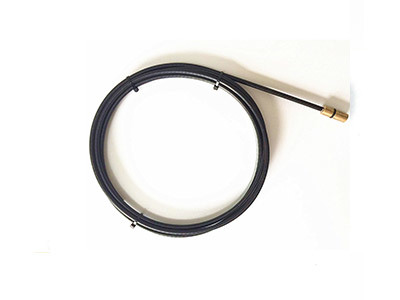
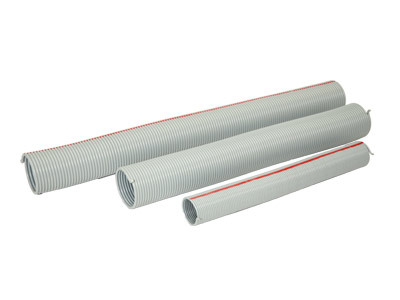
The liner in a MIG welder serves as a guiding path for the welding wire from the spool to the welding gun. Its primary function is to ensure that the wire feeds smoothly and consistently, minimizing the risk of wire jams or inconsistencies that can lead to defects in your welds.
Components of a MIG Welder
To appreciate the importance of a reliable liner, it’s essential to understand the components of a MIG welder:
- **Power Source**: Supplies the necessary electrical current.
- **Welding Gun**: The tool used to apply the welding wire and heat.
- **Gas Supply**: Provides the shielding gas to protect the weld pool.
- **Wire Feeder**: Automatically feeds the welding wire through the liner.
- **Liner**: Guides the welding wire, affecting its feedability and performance.
Why a Reliable Liner is Essential
Investing in a high-quality liner is not merely an option; it is a necessity. Here are several reasons why every MIG welder needs a reliable liner:
1. Consistent Wire Feed for Optimal Performance
A high-quality liner ensures that the welding wire feeds consistently without interruptions. This consistency is vital for creating strong, uniform welds, as inconsistencies can lead to weak spots and defects.
2. Improved Weld Quality
The quality of the weld is a reflection of the equipment used. A reliable liner minimizes the chances of erratic wire feed, which can cause spatter, porosity, and other common welding issues. By maintaining a smooth wire feed, welders can produce cleaner, more aesthetically pleasing, and structurally sound welds.
3. Increased Efficiency and Productivity
Time is money in any industry. A reliable liner reduces downtime caused by wire feed problems, allowing welders to focus on their work rather than troubleshooting equipment. This increased efficiency directly translates to higher productivity and better project turnaround times.
4. Enhanced Equipment Longevity
The wear and tear on a welder can be exacerbated by using a subpar liner. A reliable liner helps reduce friction and minimizes the risk of damage to the wire feeder and gun, ultimately extending the life of your equipment. By investing in a quality liner, you are safeguarding your entire welding system.
5. Reduced Maintenance Costs
Regular maintenance is crucial for any piece of equipment, but using a reliable liner can significantly reduce the frequency of repairs. When the liner functions well, it helps maintain the integrity of other components, leading to lower overall maintenance costs.
Types of MIG Welder Liners
Not all liners are created equal, and choosing the right type for your welding needs is crucial. Here are some common types:
1. Steel Liners
Steel liners are robust and durable, often used for heavy-duty applications. They are designed to handle a variety of wire sizes and types but may require more frequent replacement compared to other materials.
2. Nylon Liners
Nylon liners are lightweight and flexible, offering excellent feedability. They are ideal for softer wires and can reduce friction, making them a popular choice among many welders.
3. PTFE Liners
PTFE (Polytetrafluoroethylene) liners provide the least amount of friction, making them perfect for high-speed welding applications. They are resistant to wear and tear and ideal for aluminum wires.
Choosing the Right Liner for Your MIG Welder
Selecting the right liner for your MIG welder involves considering several factors:
1. Wire Type and Size
Different wires require different liners. Ensure that the liner you choose is compatible with the type and size of wire you are using.
2. Application Type
Your welding application influences your liner choice. For heavy-duty industrial work, a more robust liner is typically required, while lighter applications may benefit from a more flexible liner.
3. Frequency of Use
For professional welders who use their equipment daily, investing in a high-quality liner can save time and costs in the long run, while occasional users might opt for a more budget-friendly option.
Tips for Maintaining Your MIG Welder Liner
Proper maintenance of your liner can enhance its performance and lifespan. Here are some practical tips:
1. Regular Inspection
Frequently inspect your liner for wear and tear. If you notice any signs of damage, replace it promptly to avoid further issues.
2. Clean the Liner
Keeping the liner clean helps ensure smooth wire feed. Use a soft brush or cloth to remove any debris or buildup that may impede performance.
3. Store Properly
When not in use, store your MIG welder properly to protect it from dust and debris, which can affect the liner and other components.
4. Use Quality Consumables
Ensure that you use high-quality welding wire and consumables, as substandard materials can contribute to premature liner wear.
FAQs About MIG Welder Liners
1. How often should I replace my MIG welder liner?
The frequency of replacement depends on usage, but it’s advisable to inspect the liner regularly and replace it if you notice any signs of wear.
2. Can a bad liner affect my weld quality?
Yes, a faulty or worn liner can lead to inconsistent wire feed, resulting in poor weld quality and potential defects.
3. What type of liner is best for aluminum welding?
PTFE liners are often recommended for aluminum welding due to their low friction properties, which make feeding aluminum wire easier.
4. How do I know if my liner is compatible with my welder?
Consult your welder’s manual or manufacturer’s specifications to ensure compatibility with the liner type you are considering.
5. Does the length of the liner matter?
Yes, the length of the liner must match the design of your welder to ensure proper wire feed and function. Always check specifications for the correct size.
Conclusion
A reliable liner is not just a component; it is a vital part of the MIG welding process that contributes significantly to the quality of your work. By ensuring a consistent wire feed, enhancing weld quality, increasing efficiency, and prolonging the life of your equipment, investing in a quality liner is essential for both amateur and professional welders. As you move forward in your welding journey, remember that the right liner can make all the difference in achieving outstanding results. Therefore, prioritize finding a reliable, high-quality liner that meets your specific welding needs, and watch your welding projects shine.
Related News
Contact Us
E-mail:
WhatsAPP:
Address:
Wen 'an Industrial New Area (small Farm), Langfang, Hebei, China