

Understanding the Importance of MIG Welding Machine Liners: A Comprehensive Guide
Release Time:
2024-11-20
MIG welding, or Metal Inert Gas welding, is a widely used process that relies on a continuous feed of welding wire to create a strong, efficient bond between metal pieces. One critical component of a MIG welding machine is the liner, which plays a pivotal role in ensuring the smooth operation of the welding process. Understanding the importance of MIG welding machine liners can help you enhance yo

MIG welding, or Metal Inert Gas welding, is a widely used process that relies on a continuous feed of welding wire to create a strong, efficient bond between metal pieces. One critical component of a MIG welding machine is the liner, which plays a pivotal role in ensuring the smooth operation of the welding process. Understanding the importance of MIG welding machine liners can help you enhance your welding efficiency and equipment longevity.
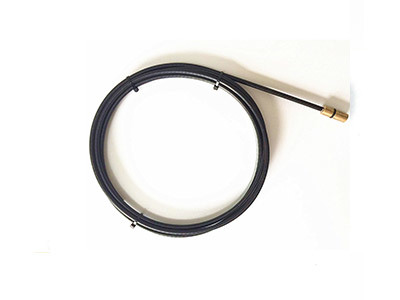
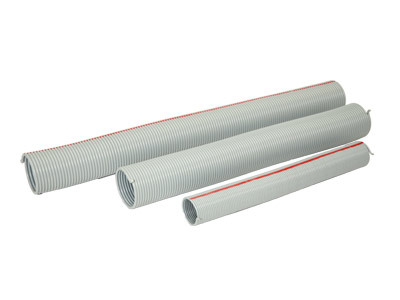
The liner is an inner tube that guides the welding wire from the spool to the welding nozzle. Its main function is to provide a pathway for the wire, reducing friction and minimizing the chances of tangling or jamming. The quality of the liner directly affects the performance of the MIG welding machine. A well-maintained liner ensures consistent wire feed, which is crucial for achieving a stable arc and a high-quality weld.
MIG welding machine liners come in various materials, including nylon, Teflon, and steel. Each material has its specific benefits and is suitable for different applications. For instance, nylon liners are lightweight and flexible, making them ideal for a variety of welding situations, while Teflon liners are known for their smooth surface, which reduces friction and increases the overall efficiency of the welding process. Steel liners, on the other hand, offer durability and are often used in demanding environments where resistance to wear and tear is essential.
Regular maintenance of the MIG welding machine liner is vital for long-term performance. Over time, liners can become worn or damaged, leading to issues such as inconsistent wire feed, increased spool wear, and even complete failure of the welding process. To maintain optimal performance, it's essential to regularly inspect the liner for signs of wear, such as fraying or kinks. If any damage is detected, it is advisable to replace the liner promptly to prevent further issues.
Additionally, proper cleaning and care are essential. Dust, debris, and contaminants can accumulate in the liner, affecting the wire feed and overall weld quality. Using compressed air to blow out any foreign particles and keeping the workspace clean can contribute to the longevity of the liner and the welding machine as a whole.
In summary, the MIG welding machine liner is an invaluable component that significantly impacts the efficiency and quality of the welding process. By understanding its importance and performing regular maintenance, welders can ensure that their equipment operates smoothly, providing high-quality results with every project. Investing time in the care of your MIG welding machine liner not only enhances the performance but also extends the lifespan of your welding equipment.
The liner is an inner tube that guides the welding wire from the spool to the welding nozzle. Its main function is to provide a pathway for the wire, reducing friction and minimizing the chances of tangling or jamming. The quality of the liner directly affects the performance of the MIG welding machine. A well-maintained liner ensures consistent wire feed, which is crucial for achieving a stable arc and a high-quality weld.
MIG welding machine liners come in various materials, including nylon, Teflon, and steel. Each material has its specific benefits and is suitable for different applications. For instance, nylon liners are lightweight and flexible, making them ideal for a variety of welding situations, while Teflon liners are known for their smooth surface, which reduces friction and increases the overall efficiency of the welding process. Steel liners, on the other hand, offer durability and are often used in demanding environments where resistance to wear and tear is essential.
Regular maintenance of the MIG welding machine liner is vital for long-term performance. Over time, liners can become worn or damaged, leading to issues such as inconsistent wire feed, increased spool wear, and even complete failure of the welding process. To maintain optimal performance, it's essential to regularly inspect the liner for signs of wear, such as fraying or kinks. If any damage is detected, it is advisable to replace the liner promptly to prevent further issues.
Additionally, proper cleaning and care are essential. Dust, debris, and contaminants can accumulate in the liner, affecting the wire feed and overall weld quality. Using compressed air to blow out any foreign particles and keeping the workspace clean can contribute to the longevity of the liner and the welding machine as a whole.
In summary, the MIG welding machine liner is an invaluable component that significantly impacts the efficiency and quality of the welding process. By understanding its importance and performing regular maintenance, welders can ensure that their equipment operates smoothly, providing high-quality results with every project. Investing time in the care of your MIG welding machine liner not only enhances the performance but also extends the lifespan of your welding equipment.
Related News
Contact Us
E-mail:
WhatsAPP:
Address:
Wen 'an Industrial New Area (small Farm), Langfang, Hebei, China