

The Comprehensive Manufacturing Process of High-Quality Offside Rear Coil Springs
Release Time:
2024-10-06
The Comprehensive Manufacturing Process of High-Quality Offside Rear Coil Springs Table of Contents 1. Introduction to Offside Rear Coil Springs 2. Understanding Coil Spring Design and Functionality 3. Materials Used in Coil Spring Manufacturing 4. The Manufacturing Process of Rear Coil Springs 4.1 Step 1: Wire Drawing 4.2 Step 2: Coiling 4.3 Step 3: Heat Treatment

The Comprehensive Manufacturing Process of High-Quality Offside Rear Coil Springs
Table of Contents
- 1. Introduction to Offside Rear Coil Springs
- 2. Understanding Coil Spring Design and Functionality
- 3. Materials Used in Coil Spring Manufacturing
- 4. The Manufacturing Process of Rear Coil Springs
- 4.1 Step 1: Wire Drawing
- 4.2 Step 2: Coiling
- 4.3 Step 3: Heat Treatment
- 4.4 Step 4: Shot Peening
- 4.5 Step 5: Surface Treatment
- 4.6 Step 6: Inspection and Testing
- 5. Quality Control in Coil Spring Manufacturing
- 6. Trends and Innovations in Coil Spring Manufacturing
- 7. Frequently Asked Questions
- 8. Conclusion
1. Introduction to Offside Rear Coil Springs
The **offside rear coil spring** plays a pivotal role in the suspension system of a vehicle. It is crucial for maintaining stability, comfort, and control. This article delves into the **manufacturing process** behind these components, ensuring they meet the highest standards for performance and safety. By understanding the steps involved and the materials used, we can appreciate the complexity and importance of manufacturing high-quality coil springs.
2. Understanding Coil Spring Design and Functionality
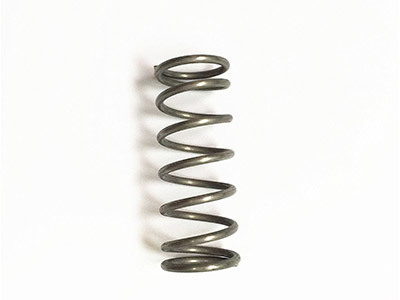
Coil springs are engineered to absorb shock and support the weight of the vehicle while allowing for vertical motion. The design of an **offside rear coil spring** is critical, taking into account factors such as load capacity, wire diameter, coil diameter, and the number of active coils. These factors influence the performance characteristics of the spring, including its strength and flexibility.
3. Materials Used in Coil Spring Manufacturing
High-quality coil springs are typically made from materials such as:
- **Music Wire**: Known for its excellent tensile strength and elasticity.
- **Alloy Steel**: Offers enhanced resistance to fatigue and wear.
- **Stainless Steel**: Provides corrosion resistance, making it ideal for specific applications.
The choice of material significantly affects the durability and performance of the coil spring. Each material undergoes rigorous testing to ensure it meets specific standards before being utilized in manufacturing.
4. The Manufacturing Process of Rear Coil Springs
The manufacturing process of offside rear coil springs involves several key steps, each essential for ensuring the final product meets quality and performance standards.
4.1 Step 1: Wire Drawing
The process begins with **wire drawing**, where raw metal rods are drawn through a series of dies to form wires of the desired diameter. This step is crucial, as the diameter directly influences the spring's strength and flexibility. The wire is typically drawn to a specific gauge that meets the design specifications.
4.2 Step 2: Coiling
Once the wire has been drawn to size, it undergoes **coiling**. In this stage, the wire is wound into the coil shape using specialized machinery. The precision of this process is vital; any variance can lead to inconsistencies in the spring's performance. Coiling can be done cold or hot, depending on the requirements of the final product.
4.3 Step 3: Heat Treatment
After coiling, the springs are subjected to **heat treatment**. This critical step involves heating the springs to a high temperature and then cooling them rapidly. This process enhances the material’s strength and elasticity, ensuring that the springs can withstand the stresses they will encounter during use.
4.4 Step 4: Shot Peening
The next step is **shot peening**, where small steel balls are fired at the surface of the coils. This process creates compressive stresses on the surface, which improves fatigue resistance. Shot peening is essential for extending the life of the coil springs, particularly in demanding applications.
4.5 Step 5: Surface Treatment
To enhance durability and corrosion resistance, the springs undergo **surface treatment**. This can include processes like **painting**, **powder coating**, or **galvanizing**. Surface treatment not only protects the springs but also can improve their aesthetic appeal, making them more marketable.
4.6 Step 6: Inspection and Testing
Quality assurance is paramount in the final step of the manufacturing process. The springs undergo rigorous **inspection and testing** to ensure they meet industry standards and specifications. This includes dimensional checks, load testing, and visual inspections for defects. Any springs that do not meet quality standards are discarded or reprocessed.
5. Quality Control in Coil Spring Manufacturing
Implementing a robust **quality control** system is essential in coil spring manufacturing. This includes:
- **Material inspections**: Ensuring raw materials are up to standards.
- **Process monitoring**: Tracking each stage of production for consistency.
- **Final product testing**: Conducting thorough tests to confirm that each coil spring performs as expected.
By maintaining high-quality standards, manufacturers can enhance the safety and performance of their automotive components.
6. Trends and Innovations in Coil Spring Manufacturing
The coil spring manufacturing industry is continually evolving, with innovations aimed at improving efficiency and product quality. Notable trends include:
- **Use of advanced materials**: Research into composites and lighter alloys to reduce weight without sacrificing strength.
- **Automation in manufacturing**: Implementing robotics and automated systems to enhance precision and reduce production time.
- **Sustainable practices**: Focusing on environmentally friendly materials and processes to minimize the ecological impact.
These innovations not only optimize production but also cater to the growing demand for high-performance automotive components.
7. Frequently Asked Questions
What is the purpose of offside rear coil springs?
Offside rear coil springs are essential for a vehicle’s suspension system, providing support, absorbing shocks, and maintaining stability during driving.
How can I determine the quality of a coil spring?
Quality can be assessed through inspections, testing for load-bearing capacity, and checking for compliance with industry standards.
What materials are best for coil springs?
The best materials typically include music wire, alloy steel, and stainless steel, each selected for specific properties like strength and corrosion resistance.
How do manufacturing processes affect coil spring performance?
Each step in the manufacturing process, from wire drawing to final testing, influences the physical characteristics and overall performance of the coil spring.
What are common applications for offside rear coil springs?
Common applications include automobiles, trucks, and other vehicles where suspension components are critical for performance and safety.
8. Conclusion
The manufacturing process of high-quality offside rear coil springs involves a series of meticulous steps, from material selection to rigorous testing. Each phase is designed to ensure that the final product not only meets but exceeds industry standards. As manufacturers continue to innovate and adapt to new technologies, the potential for enhanced performance and sustainability in coil spring production is immense. Understanding this complex process enables stakeholders to appreciate the engineering excellence behind these critical automotive components, leading to safer and more reliable vehicles on the road.
Related News
Contact Us
E-mail:
WhatsAPP:
Address:
Wen 'an Industrial New Area (small Farm), Langfang, Hebei, China