

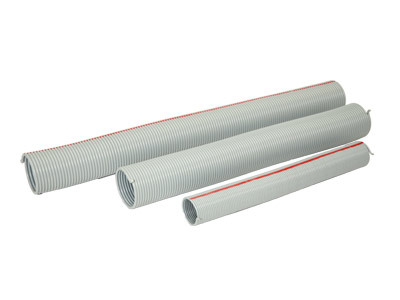

Understanding the Importance of AK Lower Handguard Tension Spring in Firearm Functionality
Release Time:
2024-10-05
The AK lower handguard tension spring is a crucial component in the assembly of AK-style rifles. It serves a vital function, ensuring that the handguard remains securely attached to the rifle's receiver. This small yet significant spring helps maintain proper alignment and stability of the handguard, which is essential for optimal performance during shooting. In the context of firearms design, th

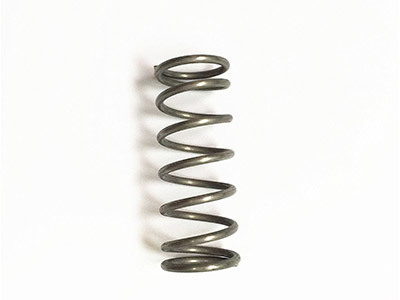
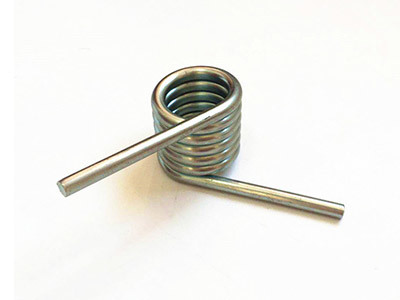
The AK lower handguard tension spring is a crucial component in the assembly of AK-style rifles. It serves a vital function, ensuring that the handguard remains securely attached to the rifle's receiver. This small yet significant spring helps maintain proper alignment and stability of the handguard, which is essential for optimal performance during shooting.
In the context of firearms design, the tension spring operates by applying a constant force against the handguard. This force not only secures the handguard in place but also absorbs some of the recoil energy generated during firing, thus contributing to improved shooter comfort and control. The importance of a well-functioning tension spring cannot be overstated; a malfunctioning or weak spring can lead to operational issues, such as misalignment or instability of the handguard, which can ultimately affect the accuracy and reliability of the firearm.
From a manufacturing perspective, the production of the AK lower handguard tension spring involves precision engineering and quality control. These springs are typically crafted from high-carbon steel or other durable materials that can withstand the harsh conditions and stresses experienced during firearm operation. The manufacturing process includes precise coiling, heat treatment, and finishing, all of which are necessary to achieve the desired mechanical properties and longevity.
The design of the tension spring must also consider factors such as load requirements, elasticity, and fatigue resistance. Engineers must ensure that the spring can operate effectively within the specific constraints of the AK rifle system while maintaining its functional integrity over time. This involves rigorous testing and evaluation to confirm that the spring performs well under various conditions, ensuring the safety and efficiency of the firearm.
In summary, the AK lower handguard tension spring is more than just a minor component; it plays a significant role in the overall functionality and reliability of AK-style rifles. For professionals in the manufacturing and machining industries, understanding the intricacies of this spring can lead to improved design and production processes. By focusing on high-quality materials and precise manufacturing techniques, businesses can enhance the performance of their firearm components, ultimately contributing to a safer and more effective shooting experience.
In the context of firearms design, the tension spring operates by applying a constant force against the handguard. This force not only secures the handguard in place but also absorbs some of the recoil energy generated during firing, thus contributing to improved shooter comfort and control. The importance of a well-functioning tension spring cannot be overstated; a malfunctioning or weak spring can lead to operational issues, such as misalignment or instability of the handguard, which can ultimately affect the accuracy and reliability of the firearm.
From a manufacturing perspective, the production of the AK lower handguard tension spring involves precision engineering and quality control. These springs are typically crafted from high-carbon steel or other durable materials that can withstand the harsh conditions and stresses experienced during firearm operation. The manufacturing process includes precise coiling, heat treatment, and finishing, all of which are necessary to achieve the desired mechanical properties and longevity.
The design of the tension spring must also consider factors such as load requirements, elasticity, and fatigue resistance. Engineers must ensure that the spring can operate effectively within the specific constraints of the AK rifle system while maintaining its functional integrity over time. This involves rigorous testing and evaluation to confirm that the spring performs well under various conditions, ensuring the safety and efficiency of the firearm.
In summary, the AK lower handguard tension spring is more than just a minor component; it plays a significant role in the overall functionality and reliability of AK-style rifles. For professionals in the manufacturing and machining industries, understanding the intricacies of this spring can lead to improved design and production processes. By focusing on high-quality materials and precise manufacturing techniques, businesses can enhance the performance of their firearm components, ultimately contributing to a safer and more effective shooting experience.
Related News
Contact Us
E-mail:
WhatsAPP:
Address:
Wen 'an Industrial New Area (small Farm), Langfang, Hebei, China