

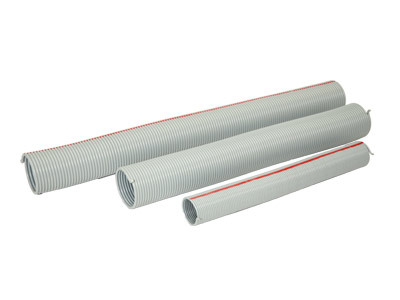

Understanding Compression Springs: Essential Insights for Manufacturing Professionals
Release Time:
2024-07-29
Compression springs are a fundamental type of mechanical spring that store potential energy when compressed and release it when allowed to expand. These springs play a pivotal role in various applications across multiple industries, including automotive, aerospace, and consumer products. Understanding the intricacies of compression springs can enhance the efficiency and effectiveness of mach

Compression springs are a fundamental type of mechanical spring that store potential energy when compressed and release it when allowed to expand. These springs play a pivotal role in various applications across multiple industries, including automotive, aerospace, and consumer products. Understanding the intricacies of compression springs can enhance the efficiency and effectiveness of machinery design and operation.
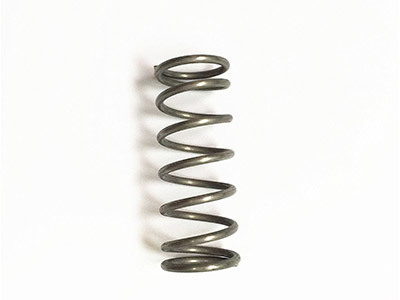
The design of a compression spring typically involves coiled wire, which can be made from various materials depending on the required strength, flexibility, and environmental conditions. Common materials include stainless steel, carbon steel, and alloy steel, each offering different properties that suit specific applications. The diameter, wire thickness, and number of coils are critical factors that determine the spring's strength, load-bearing capacity, and overall performance.
One of the key advantages of using compression springs is their ability to absorb shock and maintain consistent force. This makes them essential in applications where components need to return to their original position after being compressed. For instance, in automotive suspensions, compression springs are used to enhance ride comfort by absorbing road shocks and vibrations. In mechanical systems, they are often employed in switches, latches, and valves, ensuring smooth operation and reliability.
Compression springs also come in various designs, including cylindrical, conical, and barrel-shaped. Each design serves a specific purpose and is selected based on the application requirements. For example, conical compression springs are particularly useful in applications where space is limited, as they can provide a higher load capacity within a shorter length.
Manufacturers must also consider the spring's fatigue life and performance under cyclic loads. Compression springs are subjected to repeated compressive forces, which can lead to material fatigue over time. Therefore, understanding the operational environment and load conditions is crucial for selecting the appropriate spring for long-term performance and reliability.
In terms of manufacturing processes, compression springs are typically produced using methods such as coiling, heat treatment, and surface finishing. Ensuring high-quality production standards is vital for the springs' performance and longevity. Adopting advanced manufacturing techniques, such as computer-aided design (CAD) and automated coiling machines, can significantly improve the precision and consistency of compression spring production.
In conclusion, compression springs are indispensable components in modern machinery and equipment. Professionals in the manufacturing sector should prioritize understanding their design, applications, and manufacturing processes to optimize performance and reliability. Whether you're involved in designing machinery or selecting components, a solid grasp of compression springs will undoubtedly enhance your capabilities in the industry.
Related News
Contact Us
E-mail:
WhatsAPP:
Address:
Wen 'an Industrial New Area (small Farm), Langfang, Hebei, China