

The Essential Guide to Compression Gas Springs: Understanding Their Role in Manufacturing
Release Time:
2024-08-24
Compression gas springs are integral components commonly used in various manufacturing and machining applications, including mechanical systems, automotive industries, and furniture design. These devices utilize compressed gas to provide a controlled force, enabling smooth movement and support in various mechanical operations. Understanding how compression gas springs function and their benefits c

Compression gas springs are integral components commonly used in various manufacturing and machining applications, including mechanical systems, automotive industries, and furniture design. These devices utilize compressed gas to provide a controlled force, enabling smooth movement and support in various mechanical operations. Understanding how compression gas springs function and their benefits can significantly impact efficiency, safety, and overall performance in manufacturing settings.
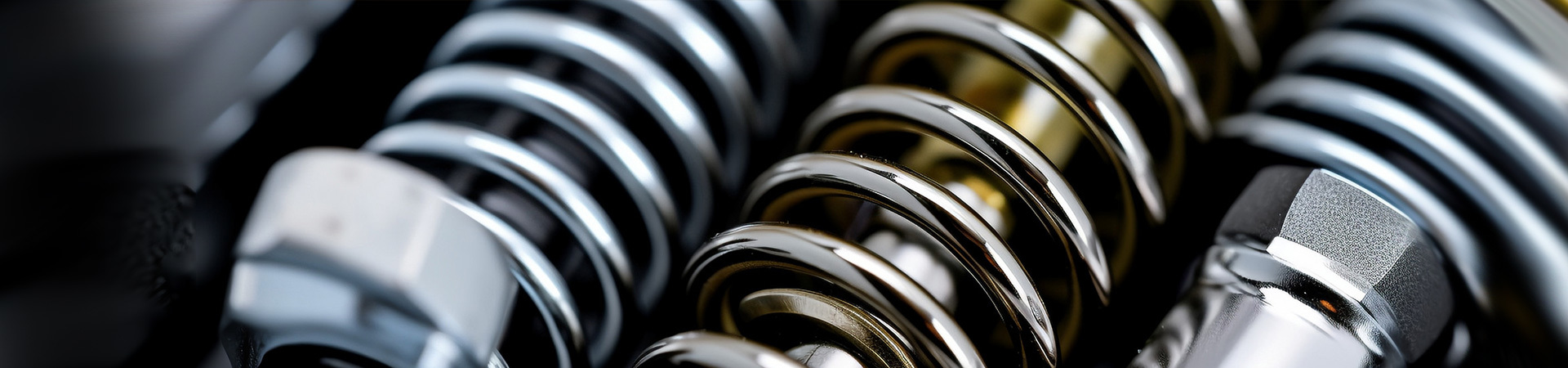
At their core, compression gas springs consist of a cylinder filled with gas (typically nitrogen) and a piston that moves within the cylinder. When force is applied, the gas compresses, allowing the piston to move smoothly, creating a controlled force that assists in lifting, lowering, or holding objects. This unique mechanism allows for a high degree of reliability and repeatability in mechanical applications, making compression gas springs an invaluable asset in manufacturing processes.
One of the primary benefits of using compression gas springs is their ability to provide consistent force over time. Unlike traditional mechanical springs, which can experience fatigue and lose their effectiveness, gas springs maintain their performance and reliability throughout their lifespan. This consistency is vital for industries where precise movements and controlled forces are crucial, such as in assembly lines or machinery that require delicate handling of components.
Additionally, compression gas springs are designed to be lightweight and compact, making them suitable for applications where space and weight are critical factors. Their design allows for easy integration into existing systems without requiring significant modifications, providing manufacturers with a cost-effective solution for enhancing their machinery's performance.
Safety is another important aspect where compression gas springs excel. They can be engineered to incorporate various safety features, such as pressure relief valves and locking mechanisms, ensuring that they operate safely under various conditions. By using gas springs, manufacturers can reduce the risk of accidents and injuries associated with traditional mechanical systems, thus promoting a safer working environment.
In terms of applications, compression gas springs are versatile and can be found in a wide range of industries. From automotive trunk lids and hoods to office furniture and medical equipment, the adaptability of these springs makes them suitable for numerous functions. Their role in providing assistance, controlling motion, and enhancing user experience cannot be overstated.
In conclusion, compression gas springs play a crucial role in the manufacturing and machining industry, offering a reliable, efficient, and safe solution for various applications. As manufacturers continue to seek ways to improve their processes and products, the importance of understanding and utilizing compression gas springs will only grow. Embracing these advanced components can lead to significant improvements in operational efficiency and safety standards across diverse sectors.
Related News
Contact Us
E-mail:
WhatsAPP:
Address:
Wen 'an Industrial New Area (small Farm), Langfang, Hebei, China