

Exploring Different Types of Quick Door Springs for Various Applications
Release Time:
2025-11-27
Exploring Different Types of Quick Door Springs for Various Applications Table of Contents 1. Introduction to Quick Door Springs 2. The Importance of Quick Door Springs in Construction 3. Types of Quick Door Springs 3.1. Torsion Springs 3.2. Extension Springs 3.3. Compression Springs 3.4. Constant Force Springs 4. Applications of Quick Door Springs 4.1. Residential Applications

Exploring Different Types of Quick Door Springs for Various Applications
Table of Contents
1. Introduction to Quick Door Springs
2. The Importance of Quick Door Springs in Construction
3. Types of Quick Door Springs
3.1. Torsion Springs
3.2. Extension Springs
3.3. Compression Springs
3.4. Constant Force Springs
4. Applications of Quick Door Springs
4.1. Residential Applications
4.2. Commercial Applications
4.3. Industrial Applications
5. Factors to Consider When Choosing Quick Door Springs
5.1. Load Requirements
5.2. Environmental Conditions
5.3. Space Restrictions
6. Installation and Maintenance of Quick Door Springs
7. Frequently Asked Questions (FAQs)
8. Conclusion
1. Introduction to Quick Door Springs
Quick door springs are specialized components designed to facilitate the efficient operation of doors. They play a crucial role in various architectural designs, providing convenience, efficiency, and enhanced functionality. Understanding different types of quick door springs and their applications is vital for anyone involved in construction, renovation, or building maintenance.
2. The Importance of Quick Door Springs in Construction
In the construction industry, quick door springs serve a purpose far beyond merely ensuring doors open and close. These springs enhance user experience, improve safety, and contribute to the overall aesthetic of buildings. Properly functioning door springs can significantly increase the lifespan of doors, reduce maintenance costs, and enhance energy efficiency by ensuring doors seal correctly.
3. Types of Quick Door Springs
There are several types of quick door springs, each tailored to specific applications and requirements. Understanding their distinct characteristics helps in making informed choices for various projects.
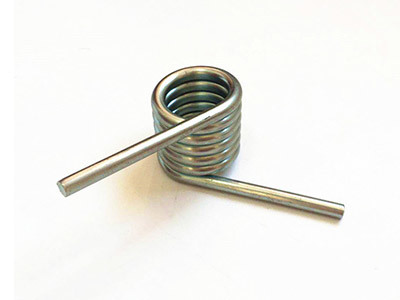
3.1. Torsion Springs
Torsion springs operate by twisting around an axis. They are commonly used in garage doors and entry doors where a significant amount of torque is required to open and close. Torsion springs offer excellent durability and are designed to handle high-stress situations.
3.2. Extension Springs
Extension springs are designed to stretch when a force is applied. They are typically used in applications where doors need to be pulled open, such as in screen doors and certain types of garage doors. Their design allows for smooth operation and reliable performance.
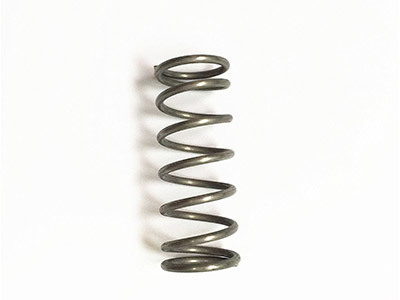
3.3. Compression Springs
Compression springs are used to resist compressive forces. They are essential in applications where doors need to remain closed or need to absorb shock during operation, providing stability and safety. These springs are commonly found in heavy-duty doors and automated systems.
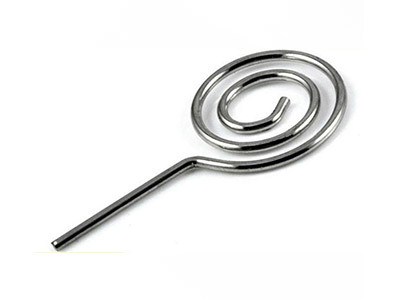
3.4. Constant Force Springs
Constant force springs maintain a consistent force over a range of motion. They are often used in applications where a uniform opening or closing speed is required. These springs are particularly useful in specialized environments such as hospitals and cleanrooms, where precise operation is critical.
4. Applications of Quick Door Springs
Quick door springs find applications in various sectors, each demanding specific functionalities and operations.
4.1. Residential Applications
In residential settings, quick door springs are commonly used in garage doors, entry doors, and storm doors. Their ability to provide ease of use and security makes them invaluable for homeowners.
4.2. Commercial Applications
In commercial spaces like retail stores and offices, quick door springs are vital for automatic doors, emergency exits, and high-traffic areas. Their reliable operation enhances customer experience and improves safety standards.
4.3. Industrial Applications
Industrial environments often require robust and heavy-duty door systems. Quick door springs play a crucial role in loading docks, warehouses, and factories, ensuring that doors open and close efficiently to facilitate the movement of goods.
5. Factors to Consider When Choosing Quick Door Springs
Selecting the right quick door spring involves careful consideration of several factors to ensure optimal performance.
5.1. Load Requirements
Understanding the load that a door will endure is essential. Different types of springs have varying load capacities, and selecting one that matches the door's requirements will ensure reliable performance.
5.2. Environmental Conditions
Environmental factors such as humidity, temperature, and exposure to corrosive elements can affect the longevity of door springs. Choosing materials that withstand specific conditions is crucial for durability.
5.3. Space Restrictions
In many applications, space can be a limiting factor. Evaluating the available space for spring installation will influence the type of spring chosen, as some require more room than others to function correctly.
6. Installation and Maintenance of Quick Door Springs
Proper installation and maintenance of quick door springs are critical for ensuring their longevity and functionality. It is advisable to consult with professionals for installation, especially for torsion and extension springs, as improper handling can lead to malfunctions or accidents.
Maintenance involves regular inspections for wear and tear, lubrication of moving parts, and immediate attention to any signs of malfunction. Keeping springs in good condition will enhance their lifespan and performance.
7. Frequently Asked Questions (FAQs)
1. What are the main types of quick door springs available?
The main types include torsion springs, extension springs, compression springs, and constant force springs, each designed for specific applications.
2. How do I determine which spring is right for my door?
Consider factors such as load requirements, environmental conditions, and available space to choose the appropriate spring for your door.
3. Can I install quick door springs myself?
While some springs are easier to install than others, it is recommended to seek professional help, especially for torsion and extension springs.
4. How often should I inspect my quick door springs?
Regular inspections should be conducted every six months, or more frequently in high-use applications, to ensure springs are functioning properly.
5. What are the signs that a quick door spring needs to be replaced?
Signs include unusual noises, difficulty in opening/closing the door, visible wear, or a broken spring. Immediate action should be taken if any of these issues arise.
8. Conclusion
In conclusion, quick door springs play a vital role in the functionality and efficiency of doors across various applications. Understanding the different types of springs available, their specific uses, and the factors influencing their selection can significantly enhance both residential and commercial projects. By prioritizing quality, safety, and maintenance, we can ensure that our door systems operate smoothly and effectively for years to come. Whether for home renovations, commercial installations, or industrial environments, choosing the right quick door spring is crucial for optimal performance.
Related News
Contact Us
E-mail:
WhatsAPP:
Address:
Wen 'an Industrial New Area (small Farm), Langfang, Hebei, China