

Why Torsion Springs are Essential for Efficient Door Mechanisms
Release Time:
2025-11-03
Why Torsion Springs are Essential for Efficient Door Mechanisms Understanding Torsion Springs Torsion springs are mechanical devices that store and release angular energy. Unlike traditional compression or extension springs, torsion springs work by twisting around their axis, enabling them to provide torque, which is crucial in many applications, particularly in door mechanisms. Their unique d

Why Torsion Springs are Essential for Efficient Door Mechanisms
Understanding Torsion Springs
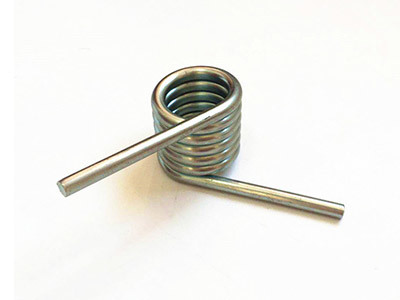
Torsion springs are mechanical devices that store and release angular energy. Unlike traditional compression or extension springs, torsion springs work by twisting around their axis, enabling them to provide torque, which is crucial in many applications, particularly in door mechanisms. Their unique design allows them to exert a significant amount of force while occupying minimal space, making them ideal for various door types, including residential, commercial, and industrial doors.
The Mechanism of Torsion Springs
In door operations, torsion springs are commonly located above the door frame, coiled tightly to store energy. When the door is opened or closed, the spring unwinds or winds up, providing the necessary torque to facilitate smooth movement. This ability to manage weight and balance makes torsion springs essential for the efficient functioning of heavy doors or garage doors.
Why Use Torsion Springs in Door Mechanisms?
Torsion springs offer several advantages that make them preferable in door mechanisms:
1. **Space Efficiency**: Their compact design allows them to fit in tight spaces without compromising on performance.
2. **Durability**: Torsion springs are engineered to withstand repeated use, making them a long-lasting choice for door systems.
3. **Smooth Operation**: They provide consistent torque, ensuring doors open and close smoothly without jerking or sticking.
4. **Adjustable Tension**: The tension in torsion springs can be adjusted easily, allowing for fine-tuning depending on the door's weight and usage frequency.
Types of Torsion Springs Used in Doors
There are various types of torsion springs, each designed for specific applications. Understanding these types can help in choosing the right spring for your door mechanism.
1. Standard Torsion Springs
These are the most common type used in residential garage doors. They provide adequate torque and are available in different sizes and strength ratings.
2. High-Cycle Torsion Springs
For commercial and industrial applications where doors are opened frequently, high-cycle torsion springs are recommended due to their enhanced durability and ability to handle more cycles over their lifespan.
3. Custom Torsion Springs
For unique door designs or specific weight requirements, custom torsion springs can be engineered to meet exact specifications, ensuring optimal performance and longevity.
Installation and Maintenance of Torsion Springs
Proper installation and maintenance of torsion springs are vital for ensuring their effective operation and safety.
Installation Process
Installing torsion springs requires precision and attention to detail. It is advisable to follow these steps:
1. **Assess Door Weight and Type**: Before installation, determine the door's weight and type to select the appropriate spring size and tension.
2. **Prepare Tools**: Gather all necessary tools, including a wrench, safety glasses, and a ladder.
3. **Secure the Door**: Ensure the door is in a fixed position to avoid any accidents during installation.
4. **Attach the Springs**: Follow the manufacturer’s guidelines to attach the springs properly to the door system.
5. **Adjust Tension**: After installation, adjust the spring tension according to the door's weight for balanced operation.
Maintenance Tips
Regular maintenance can extend the life of torsion springs and prevent premature failure. Here are some essential maintenance tips:
1. **Inspect Regularly**: Check for signs of wear or corrosion at least twice a year.
2. **Lubricate**: Apply suitable lubricant to the springs and moving parts to reduce friction and noise.
3. **Monitor Performance**: Observe the door's operation. If it starts to stick or feels heavy, it might indicate a problem with the springs.
The Impact of Torsion Springs on Door Efficiency
Torsion springs significantly impact the efficiency of door mechanisms in several ways.
1. Energy Conservation
By providing the necessary torque to lift heavy doors, torsion springs minimize the amount of energy required to operate the door. This feature is especially beneficial in commercial settings where heavy doors are frequently used.
2. Safety Features
Torsion springs are designed to handle the weight of the door safely. If properly installed and maintained, they reduce the risk of door malfunctions, which could lead to accidents or injuries.
3. Enhanced User Experience
A door that opens and closes smoothly enhances user experience significantly. Torsion springs facilitate this smooth operation, making them a preferred choice for both home and commercial use.
Common Misconceptions About Torsion Springs
Despite their advantages, there are some common misconceptions about torsion springs that need to be addressed.
1. Torsion Springs are Expensive
While the initial cost may seem high compared to other spring types, the longevity and efficiency they provide make them a cost-effective solution in the long run.
2. Hard to Replace
Many believe that replacing torsion springs is a complicated process that requires professional help. While it can be challenging, with the right tools and instructions, many homeowners can perform the replacement safely.
FAQs About Torsion Springs
1. How long do torsion springs last?
The lifespan of torsion springs varies based on usage and maintenance, but they typically last between 10,000 to 20,000 cycles.
2. Can I install torsion springs myself?
Yes, but it requires careful attention to detail and safety precautions. If unsure, it’s best to seek professional help.
3. What happens if a torsion spring breaks?
If a torsion spring breaks, it can cause the door to become unbalanced and potentially collapse. Immediate replacement is necessary for safety.
4. Are there safety measures for torsion springs?
Yes, using safety cables can prevent the spring from causing damage or injury if it breaks.
5. Can torsion springs be reused?
While it’s possible to reuse torsion springs, it’s often recommended to replace them, especially if they show any signs of wear or damage.
Conclusion
Torsion springs are vital components in the mechanisms of doors, offering numerous benefits including durability, efficiency, and safety. Their unique ability to store and release energy makes them essential for both residential and commercial applications. Proper installation and maintenance can significantly extend their lifespan, making them a worthwhile investment. Understanding the role of torsion springs can help homeowners and business owners alike make informed decisions about their door systems, ensuring smooth operation and enhanced safety for years to come.
Related News
Contact Us
E-mail:
WhatsAPP:
Address:
Wen 'an Industrial New Area (small Farm), Langfang, Hebei, China