

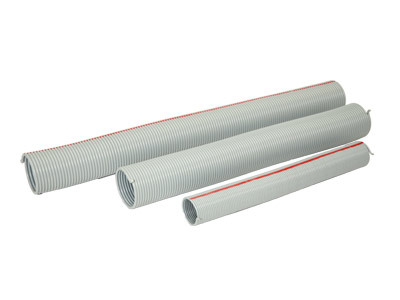

DIY vs Professional: When to Fix Your Garage Spring Yourself
Release Time:
2025-10-28
DIY vs Professional: When to Fix Your Garage Spring Yourself Understanding Garage Springs: The Backbone of Your Garage Door System Garage doors operate using a system of springs that provide the necessary tension to open and close the door smoothly. There are two primary types of garage door springs: **torsion springs** and **extension springs**. What Are Torsion Springs? Torsion springs are moun

DIY vs Professional: When to Fix Your Garage Spring Yourself
Understanding Garage Springs: The Backbone of Your Garage Door System
Garage doors operate using a system of springs that provide the necessary tension to open and close the door smoothly. There are two primary types of garage door springs: **torsion springs** and **extension springs**.
What Are Torsion Springs?
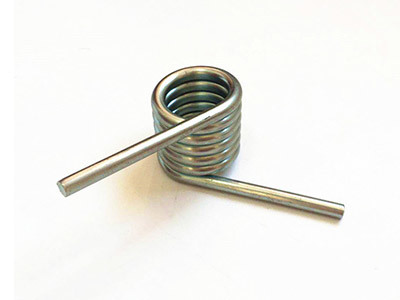
Torsion springs are mounted above the garage door and work by twisting to lift the door. They are generally more durable but require specialized tools for installation and adjustment.
What Are Extension Springs?
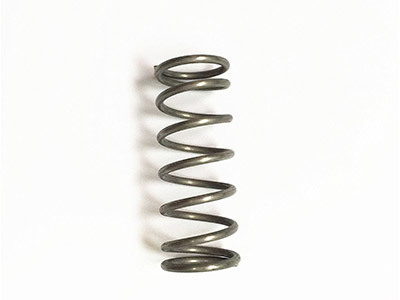
Extension springs are found on either side of the door and stretch as the door opens. While they are easier to replace, they can also be dangerous if mishandled.
The Importance of a Functional Garage Spring
A **functional garage spring** ensures that your garage door operates smoothly. A malfunction can lead to severe complications, including the inability to open or close the door.
Signs That Your Garage Spring Needs Repair
Recognizing the signs that your garage spring needs repair is crucial. Some common indicators include:
- **Difficulty opening or closing the garage door**
- The door appearing uneven or crooked
- Loud noises during operation
- The door slamming shut unexpectedly
DIY Garage Spring Repair: Pros and Cons
Opting for a DIY approach can be tempting due to perceived cost savings. However, it’s essential to weigh the pros and cons.
Benefits of DIY Garage Spring Repair
- **Cost Savings**: Avoiding professional fees can save you money.
- **Personal Satisfaction**: Completing the repair can be rewarding.
- **Flexibility**: You can work on your schedule without waiting for a professional.
Challenges of DIY Garage Spring Repair
- **Safety Risks**: Garage springs are under high tension and can cause injury if mishandled.
- **Requires Tools and Skills**: Without the right tools, the job can become more difficult.
- **Potential for Further Damage**: Incorrect repairs can lead to more significant problems and costs.
When to Hire a Professional for Garage Spring Repair
In some situations, hiring a professional is the better choice.
Safety Considerations
If you have little experience with **mechanical repairs** or feel uncomfortable handling high-tension springs, it’s best to leave the job to a professional.
Time Constraints
In cases where you have limited time, a professional can complete the repair more quickly and efficiently.
Complexity of the Repair
If your garage door system involves more than just the springs, such as complex electronic mechanisms, an expert’s insight is invaluable.
Cost Analysis: DIY vs Professional Repair
Understanding the financial implications of both options is crucial for making an informed decision.
Calculating DIY Costs
When considering a DIY repair, factor in:
- **Cost of Materials**: Purchase springs and any additional tools required.
- **Time Investment**: Assess how long the repair will take and its impact on your schedule.
Evaluating Professional Costs
When hiring a professional, consider:
- **Service Fees**: Rates can vary based on your location and the complexity of the repair.
- **Warranty Options**: Many professionals offer warranties on their work, providing peace of mind.
Safety Measures for DIY Garage Spring Repair
If you choose to repair your garage springs yourself, adhere to these safety measures:
Essential Safety Gear
- **Safety Glasses**: Protect your eyes from flying debris.
- **Gloves**: Use heavy-duty gloves for hand protection.
- **Steel-Toed Boots**: Prevent foot injuries from heavy garage doors.
Proper Tools Required for the Job
Ensure you have:
- **Wrenches and Screwdrivers**: For loosening and tightening screws.
- **Pliers**: To manipulate springs safely.
- **Lifting Equipment**: If needed to lift the door during the repair.
Step-by-Step Guide to DIY Garage Spring Repair
For those ready to tackle the DIY route, follow this basic guide:
Step 1: Prepare Your Workspace
Clear the area around the garage door, ensuring you have enough space to work safely.
Step 2: Disconnect the Garage Door Opener
To avoid accidents, disconnect the power source.
Step 3: Remove the Old Spring
Carefully follow the manufacturer’s instructions for removing the old spring, taking care not to release tension suddenly.
Step 4: Install the New Spring
Follow the reverse process for installation. Make sure to adjust the tension according to specifications.
Step 5: Reconnect the Garage Door Opener
Once the new spring is in place, reconnect the power and test the door's functionality.
Common Mistakes to Avoid During Garage Spring Repair
Avoiding errors can save you time and trouble. Here are some pitfalls to be aware of:
Over-Tensioning the Springs
Applying too much tension can cause the springs to break or malfunction. Follow manufacturer guidelines carefully.
Neglecting Safety Precautions
Always prioritize safety. Failing to wear protective gear or working alone can lead to injury.
Ignoring Other Issues
If the garage door still exhibits problems after spring replacement, there may be other underlying issues to address.
Frequently Asked Questions
1. How long do garage springs typically last?
Garage springs generally last between 7 to 12 years, depending on usage and maintenance.
2. Can I replace just one garage spring?
It’s advisable to replace both springs simultaneously, as they work together and wear out similarly.
3. What should I do if my garage door won’t open?
Check for signs of spring damage first. If the springs are fine, there may be other mechanical issues at play.
4. How can I maintain my garage springs?
Regularly lubricate springs and check for wear to extend their lifespan.
5. Are there any alternatives to spring repairs?
In some cases, converting to a **garage door opener** with different mechanisms may be a viable alternative, but it often involves more extensive upgrades.
Conclusion
Deciding between a DIY garage spring repair and hiring a professional hinges on various factors, including your skill level, safety considerations, and the complexity of the repair. While DIY can save money and provide personal satisfaction, the risks involved may outweigh the benefits for many homeowners. By understanding the intricacies of garage springs, recognizing when to call for help, and adhering to safety guidelines, you can ensure your garage door operates smoothly for years to come. Make an informed decision that suits your needs and capabilities for a hassle-free garage experience.
Related News
Contact Us
E-mail:
WhatsAPP:
Address:
Wen 'an Industrial New Area (small Farm), Langfang, Hebei, China