

Understanding Offside Front Coil Springs: Essential Insights for Mechanical Manufacturing
Release Time:
2025-10-13
Coil springs are essential components in various mechanical systems, notably in the automotive industry, where they provide support, stability, and comfort. Among these, the "offside front coil spring" plays a pivotal role in the vehicle's suspension system. Understanding what these springs are and their function can be beneficial for manufacturers and consumers alike. Offside front coil springs a

Coil springs are essential components in various mechanical systems, notably in the automotive industry, where they provide support, stability, and comfort. Among these, the "offside front coil spring" plays a pivotal role in the vehicle's suspension system. Understanding what these springs are and their function can be beneficial for manufacturers and consumers alike.
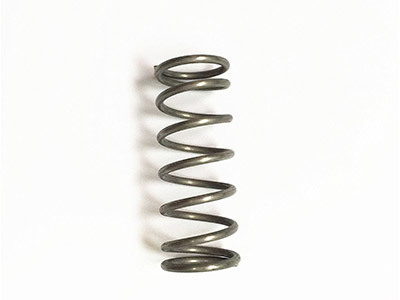
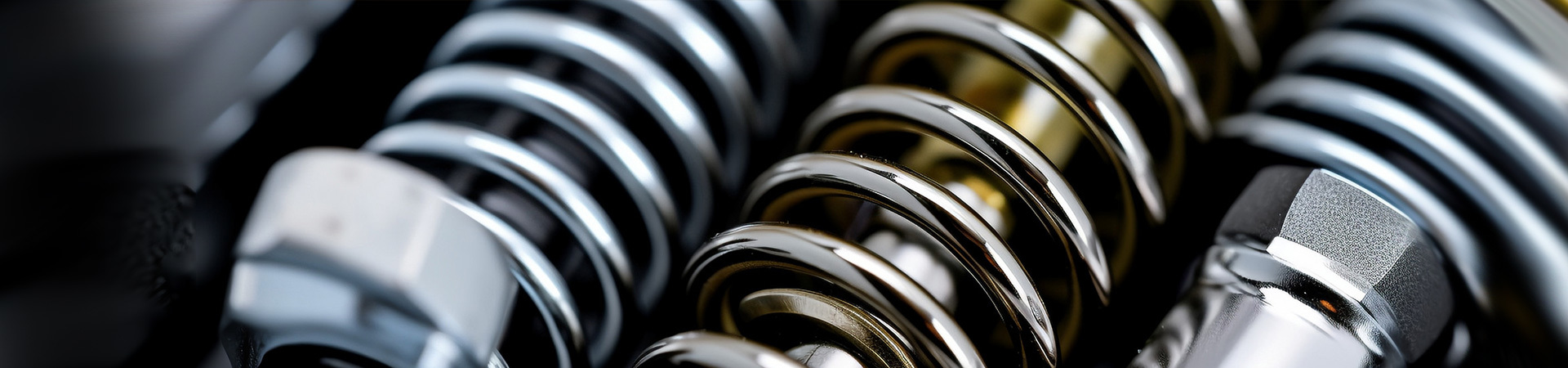
Offside front coil springs are typically located on the side opposite to the driver's seat in vehicles. They are designed to absorb shocks and vibrations from the road, providing a smoother ride and maintaining vehicle stability. By compressing and expanding during movement, these springs help manage the suspension's workload, preventing excessive strain on other components.
One of the primary functions of offside front coil springs is to support the weight of the vehicle and its occupants. When a vehicle encounters uneven terrain or bumps, the coil spring compresses, absorbing the impact and preventing it from traveling through the chassis. This not only enhances comfort but also contributes to the overall safety of the vehicle by ensuring that the tires maintain contact with the road, which is crucial for effective braking and handling.
Additionally, the design of offside front coil springs is engineered to ensure resilience and durability. These components are typically made from high-quality steel or other resilient materials that can withstand significant stress and deformation. The manufacturing process often involves precise calculations and techniques to create springs that meet specific load requirements while ensuring they do not fail under pressure.
In recent years, advancements in manufacturing technology have led to the development of more efficient and effective coil springs. Techniques such as computer-aided design (CAD) and finite element analysis (FEA) allow engineers to simulate and optimize spring performance before production. This not only enhances the reliability of offside front coil springs but also helps manufacturers reduce waste and improve overall production efficiency.
Regular maintenance and monitoring of offside front coil springs are crucial for vehicle performance. Over time, these springs can wear out or become damaged due to constant use and exposure to harsh conditions. Signs of a worn-out coil spring may include unusual noises when driving, uneven tire wear, or a noticeable drop in ride height. Addressing these issues promptly can prevent more extensive damage and ensure that the vehicle continues to operate safely and effectively.
In conclusion, offside front coil springs are vital components that contribute significantly to vehicle performance and safety. For manufacturers in the mechanical processing industry, understanding the intricacies of these springs can aid in designing better products and enhancing customer satisfaction. By prioritizing quality and innovation in spring manufacturing, companies can ensure that their offerings meet the demands of modern vehicle dynamics and consumer expectations.
Offside front coil springs are typically located on the side opposite to the driver's seat in vehicles. They are designed to absorb shocks and vibrations from the road, providing a smoother ride and maintaining vehicle stability. By compressing and expanding during movement, these springs help manage the suspension's workload, preventing excessive strain on other components.
One of the primary functions of offside front coil springs is to support the weight of the vehicle and its occupants. When a vehicle encounters uneven terrain or bumps, the coil spring compresses, absorbing the impact and preventing it from traveling through the chassis. This not only enhances comfort but also contributes to the overall safety of the vehicle by ensuring that the tires maintain contact with the road, which is crucial for effective braking and handling.
Additionally, the design of offside front coil springs is engineered to ensure resilience and durability. These components are typically made from high-quality steel or other resilient materials that can withstand significant stress and deformation. The manufacturing process often involves precise calculations and techniques to create springs that meet specific load requirements while ensuring they do not fail under pressure.
In recent years, advancements in manufacturing technology have led to the development of more efficient and effective coil springs. Techniques such as computer-aided design (CAD) and finite element analysis (FEA) allow engineers to simulate and optimize spring performance before production. This not only enhances the reliability of offside front coil springs but also helps manufacturers reduce waste and improve overall production efficiency.
Regular maintenance and monitoring of offside front coil springs are crucial for vehicle performance. Over time, these springs can wear out or become damaged due to constant use and exposure to harsh conditions. Signs of a worn-out coil spring may include unusual noises when driving, uneven tire wear, or a noticeable drop in ride height. Addressing these issues promptly can prevent more extensive damage and ensure that the vehicle continues to operate safely and effectively.
In conclusion, offside front coil springs are vital components that contribute significantly to vehicle performance and safety. For manufacturers in the mechanical processing industry, understanding the intricacies of these springs can aid in designing better products and enhancing customer satisfaction. By prioritizing quality and innovation in spring manufacturing, companies can ensure that their offerings meet the demands of modern vehicle dynamics and consumer expectations.
Related News
Contact Us
E-mail:
WhatsAPP:
Address:
Wen 'an Industrial New Area (small Farm), Langfang, Hebei, China