

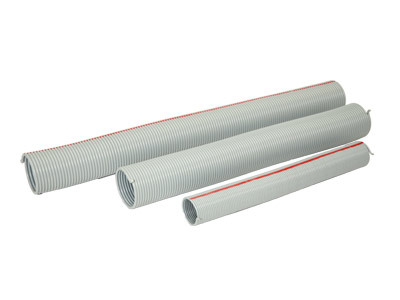

Fancy Compression Springs: Innovations in Spring Manufacturing
Release Time:
2025-07-20
Fancy Compression Springs: Innovations in Spring Manufacturing Table of Contents 1. Introduction to Compression Springs 2. Understanding Compression Spring Design 2.1 Types of Compression Springs 2.2 Factors Affecting Compression Spring Performance 3. The Role of Materials in Spring Manufacturing 3.1 Traditional Materials vs. Modern Alternatives 3.2 The Impact of Material Selection on Spring Prope

Fancy Compression Springs: Innovations in Spring Manufacturing
Table of Contents
1. Introduction to Compression Springs
2. Understanding Compression Spring Design
2.1 Types of Compression Springs
2.2 Factors Affecting Compression Spring Performance
3. The Role of Materials in Spring Manufacturing
3.1 Traditional Materials vs. Modern Alternatives
3.2 The Impact of Material Selection on Spring Properties
4. Innovative Manufacturing Techniques
4.1 CNC Machining and its Benefits
4.2 3D Printing and Additive Manufacturing
5. Customization and Design Flexibility in Compression Springs
5.1 Computer-Aided Design (CAD) for Precision Engineering
5.2 The Importance of Prototyping
6. Applications of Fancy Compression Springs
6.1 Automotive Industry
6.2 Aerospace Sector
6.3 Consumer Electronics
7. Environmental Considerations in Spring Manufacturing
8. Conclusion
9. Frequently Asked Questions (FAQs)
1. Introduction to Compression Springs
Compression springs play a vital role in numerous mechanical applications, providing resistance against compressive forces. These springs are designed to store energy and release it when needed, making them essential components in various industries, including automotive, aerospace, and consumer products. This article delves into the latest innovations in compression spring manufacturing, highlighting advancements that enhance performance, efficiency, and sustainability.
2. Understanding Compression Spring Design
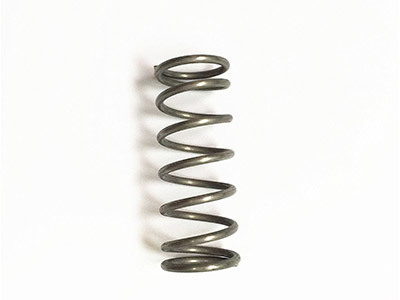
Compression springs are typically characterized by their helical shape, which allows them to compress under load. The design of these springs is crucial to their performance, and several factors impact their effectiveness.
2.1 Types of Compression Springs
There are several types of compression springs, including cylindrical, conical, and barrel-shaped springs. Each type has unique properties suited for different applications. For instance, cylindrical springs are widely used due to their versatility, while conical springs offer a more compact design.
2.2 Factors Affecting Compression Spring Performance
Key factors influencing the performance of compression springs include wire diameter, spring diameter, number of coils, and material. Understanding these elements allows engineers to tailor springs to specific applications, ensuring optimal performance.
3. The Role of Materials in Spring Manufacturing
The material used in compression spring manufacturing significantly impacts the spring's performance characteristics, such as strength, fatigue resistance, and corrosion resistance.
3.1 Traditional Materials vs. Modern Alternatives
Traditionally, compression springs were made from steel, known for its strength and durability. However, modern alternatives such as stainless steel, titanium, and composite materials are gaining popularity due to their lightweight properties and resistance to environmental factors.
3.2 The Impact of Material Selection on Spring Properties
Choosing the right material can enhance the performance of compression springs. For instance, titanium springs are ideal for aerospace applications due to their high strength-to-weight ratio, while stainless steel provides excellent corrosion resistance for outdoor applications.
4. Innovative Manufacturing Techniques
The manufacturing process of compression springs has evolved significantly, with new techniques improving efficiency, precision, and quality.
4.1 CNC Machining and its Benefits
Computer Numerical Control (CNC) machining allows for precise cutting and shaping of spring materials. This technology ensures consistency in production and reduces waste, leading to cost savings and improved lead times.
4.2 3D Printing and Additive Manufacturing
3D printing is revolutionizing the manufacturing landscape by enabling rapid prototyping and the production of complex geometries that traditional methods cannot achieve. This technology allows for customization and reduces the time from design to market.
5. Customization and Design Flexibility in Compression Springs
With advancements in technology, the customization of compression springs has become more accessible, allowing engineers to design springs that meet specific requirements.
5.1 Computer-Aided Design (CAD) for Precision Engineering
CAD software enables engineers to create detailed models of compression springs, facilitating simulations and testing before physical production. This approach minimizes errors and enhances the design process.
5.2 The Importance of Prototyping
Prototyping is essential in the design and development of compression springs. By creating a physical model, engineers can evaluate performance, identify potential issues, and make necessary adjustments before full-scale production.
6. Applications of Fancy Compression Springs
Compression springs are utilized across various industries, each with specific requirements that drive innovation in spring manufacturing.
6.1 Automotive Industry
In the automotive sector, compression springs are used in suspension systems, engine components, and a variety of mechanical linkages. Innovations in materials and manufacturing techniques enhance performance and safety in vehicles.
6.2 Aerospace Sector
The aerospace industry demands high-performance compression springs that can withstand extreme conditions. Innovations in lightweight materials and precise manufacturing processes are critical for meeting these stringent requirements.
6.3 Consumer Electronics
Compression springs play a vital role in consumer electronics, from providing tactile feedback in devices to ensuring robust functionality in mechanisms. The trend toward miniaturization drives the need for innovative spring designs.
7. Environmental Considerations in Spring Manufacturing
As industries become more environmentally conscious, manufacturers of compression springs are adopting sustainable practices. This includes using eco-friendly materials and processes that minimize waste and energy consumption, contributing to a greener manufacturing landscape.
8. Conclusion
The advancements in compression spring manufacturing, driven by innovations in materials and technologies, are reshaping the landscape of various industries. By embracing modern techniques and focusing on customization, manufacturers can produce high-performance springs that meet the evolving needs of diverse applications. As the demand for efficiency and sustainability grows, the future of compression springs looks promising, paving the way for even more exciting innovations.
9. Frequently Asked Questions (FAQs)
What are the different types of compression springs?
Compression springs come in various forms, including cylindrical, conical, and barrel-shaped, each designed for specific applications.
How do materials affect the performance of compression springs?
The choice of material impacts strength, fatigue resistance, and corrosion resistance, which are crucial for the spring's overall performance.
What manufacturing techniques are used in compression spring production?
Techniques such as CNC machining and 3D printing are commonly used, enhancing precision and allowing for complex designs.
Can compression springs be customized for specific applications?
Yes, advancements in CAD and prototyping allow for tailored designs that meet unique application requirements.
What are some common applications for compression springs?
Compression springs are widely used in industries such as automotive, aerospace, and consumer electronics, emphasizing their versatility and importance.
Related News
Contact Us
E-mail:
WhatsAPP:
Address:
Wen 'an Industrial New Area (small Farm), Langfang, Hebei, China