


The Role of Compression Springs in Modern Manufacturing Processes: Enhancing Efficiency and Precision
Release Time:
2025-04-01
The Role of Compression Springs in Modern Manufacturing Processes Manufacturing processes today are driven by the need for efficiency, precision, and adaptability. Among the critical components that facilitate these goals are compression springs. In this article, we will explore how compression springs function, their applications across various industries, and their impact on modern manufacturing

The Role of Compression Springs in Modern Manufacturing Processes
Manufacturing processes today are driven by the need for efficiency, precision, and adaptability. Among the critical components that facilitate these goals are compression springs. In this article, we will explore how compression springs function, their applications across various industries, and their impact on modern manufacturing processes. By understanding their significance, manufacturers can harness the potential of compression springs to enhance their operations.
Table of Contents
- What Are Compression Springs?
- How Do Compression Springs Work?
- Applications of Compression Springs in Manufacturing
- Benefits of Using Compression Springs in Modern Manufacturing
- Types of Compression Springs
- Innovations in Compression Spring Design
- Best Practices for Using Compression Springs
- Frequently Asked Questions
- Conclusion
What Are Compression Springs?
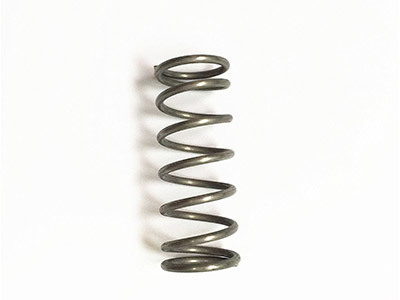
Compression springs are mechanical devices designed to store energy and resist compressive forces. Typically produced from metal wire, these springs are tightly coiled to allow for significant deformation under load. When force is applied, compression springs compress, absorbing energy, and when the load is removed, they return to their original shape. This characteristic makes them invaluable in a range of applications across various industries, including automotive, aerospace, electronics, and manufacturing.
Key Characteristics of Compression Springs
Compression springs exhibit several essential characteristics, including:
- **Spring Rate**: This defines the amount of force needed to compress the spring by a specific distance. A higher spring rate indicates a stiffer spring.
- **Free Length**: The length of the spring when it is not under any load. This is crucial for determining how much the spring can compress.
- **Solid Height**: The height of the spring when fully compressed. This measurement is vital to ensure the spring fits into its designated application.
How Do Compression Springs Work?
Compression springs operate based on Hooke's Law, which states that the force exerted by a spring is directly proportional to its displacement. This means the more a spring is compressed, the greater the force it exerts in the opposite direction.
When a load is applied to a compression spring, it compresses, storing potential energy. The energy stored in the spring is released when the load is removed, allowing the spring to return to its original shape. This energy-storing ability is what makes compression springs integral to various mechanical systems, enabling smooth and efficient operation.
The Physics Behind Compression Springs
The force (F) exerted by a compression spring can be calculated using the formula:
F = k × x
Where:
- F = force in pounds or newtons
- k = spring constant (spring rate) in pounds per inch or newtons per meter
- x = compression distance in inches or meters
Understanding this relationship helps manufacturers select the appropriate compression spring for specific applications, ensuring optimal performance and longevity.
Applications of Compression Springs in Manufacturing
Compression springs are utilized in numerous applications across various sectors. Here are some of the most common uses:
1. Automotive Industry
In the automotive sector, compression springs play a critical role in suspensions, engine components, and braking systems. They enhance vehicle performance by absorbing shocks and vibrations, providing stability and comfort to passengers.
2. Electronics
Compression springs are essential in electronic devices, providing support and tension in switches, keypads, and connectors. Their ability to maintain consistent pressure ensures the reliability of electronic components.
3. Aerospace
In aerospace applications, compression springs are used in landing gear systems, actuators, and control surfaces. They contribute to the safety and functionality of aircraft by providing necessary support and shock absorption.
4. Medical Equipment
Medical devices often incorporate compression springs to ensure proper functioning. For instance, they are found in diagnostic equipment, surgical tools, and patient monitoring devices, where precision and reliability are crucial.
5. Industrial Machinery
In manufacturing machinery, compression springs are employed in various applications, including conveyor systems, presses, and robotics. Their ability to absorb shocks and maintain consistent pressure enhances machine performance and durability.
Benefits of Using Compression Springs in Modern Manufacturing
Understanding the advantages of compression springs can help manufacturers optimize their operations. Here are some key benefits:
1. Energy Efficiency
Compression springs store and release energy efficiently, minimizing energy loss during operation. This enhances the energy efficiency of machinery and reduces operational costs.
2. Improved Performance
By providing consistent force and support, compression springs enhance the overall performance of various systems. They help maintain precise tolerances and improve the functionality of mechanical components.
3. Versatility
Compression springs are available in various sizes, materials, and designs, making them suitable for a wide range of applications. This versatility allows manufacturers to customize solutions to meet specific requirements.
4. Longevity
High-quality compression springs are engineered to withstand significant stress and fatigue. When properly selected and maintained, they can offer long service life, reducing the need for frequent replacements.
5. Cost-Effectiveness
Investing in compression springs can lead to significant cost savings over time. Their durability and efficiency contribute to reduced maintenance costs and extended equipment lifespan.
Types of Compression Springs
Compression springs come in various types, each designed for specific applications. Here are some common types:
1. Cylindrical Compression Springs
These are the most common type of compression springs, characterized by a uniform coil diameter. They are widely used in various applications due to their simplicity and effectiveness.
2. Conical Compression Springs
Conical compression springs have a tapered design, providing a compact solution for applications where space is limited. Their unique shape allows for progressive spring rates.
3. Barrel Compression Springs
Barrel springs feature a wider diameter in the middle, tapering towards the ends. This design helps distribute stress evenly and is often used in applications requiring a higher load capacity.
4. Oval Compression Springs
Oval compression springs are designed to fit specific spaces where traditional shapes may not be viable. They offer unique advantages in niche applications.
Innovations in Compression Spring Design
As manufacturing processes evolve, so do the designs of compression springs. Recent innovations aim to enhance performance and adapt to modern manufacturing needs:
1. Advanced Materials
The introduction of high-strength alloys and composite materials has led to the development of lighter, more durable compression springs. These materials offer improved fatigue resistance and performance in extreme conditions.
2. Customization and 3D Printing
Advancements in 3D printing technology enable manufacturers to create custom compression springs tailored to specific needs. This capability allows for rapid prototyping and development of unique designs.
3. Smart Compression Springs
Innovations in smart technology have led to the creation of compression springs equipped with sensors that monitor performance in real-time. These smart springs can provide valuable data for predictive maintenance and performance optimization.
Best Practices for Using Compression Springs
To maximize the performance and lifespan of compression springs, adhering to best practices is essential:
1. Proper Selection
Choosing the right compression spring involves considering factors such as load requirements, operating environment, and design specifications. Proper selection ensures optimal performance and prevents premature failure.
2. Regular Maintenance
Conducting routine inspections and maintenance can identify potential issues before they escalate. Monitoring for wear and tear will help maintain the efficiency of systems that utilize compression springs.
3. Correct Installation
Following manufacturer guidelines for installation is crucial. Proper installation ensures that compression springs function as intended and minimizes the risk of damage.
4. Adequate Lubrication
In some applications, lubricating compression springs can reduce friction and wear, extending their lifespan. Selecting the right lubricant for specific materials and environments is vital for optimal performance.
Frequently Asked Questions
1. What is the lifespan of a compression spring?
The lifespan of a compression spring depends on factors such as material, load conditions, and operating environment. High-quality springs can last for many years with proper maintenance.
2. Can compression springs be customized?
Yes, compression springs can be customized in terms of size, shape, and material to meet specific application requirements. Manufacturers often work with clients to develop tailored solutions.
3. How do I know if a compression spring is suitable for my application?
To determine suitability, consider factors such as load requirements, space constraints, and environmental conditions. Consulting with a spring expert can provide valuable insights.
4. What materials are commonly used for compression springs?
Common materials include stainless steel, music wire, and oil-tempered steel. The choice of material depends on the specific application and environmental factors.
5. How can I improve the performance of compression springs?
Improving performance can involve selecting the right spring for the application, conducting regular maintenance, and ensuring proper installation techniques are followed.
Conclusion
Compression springs are indispensable components in modern manufacturing processes, contributing to efficiency, precision, and overall performance. By understanding their functionality, applications, and benefits, manufacturers can leverage these vital components to optimize their operations. Continuous innovations in design and materials further enhance the role of compression springs in the ever-evolving landscape of manufacturing. By implementing best practices and staying informed about industry advancements, manufacturers can ensure that their compression springs operate at peak performance, ultimately driving success in their operations.
Related News
Contact Us
E-mail:
WhatsAPP:
Address:
Wen 'an Industrial New Area (small Farm), Langfang, Hebei, China