

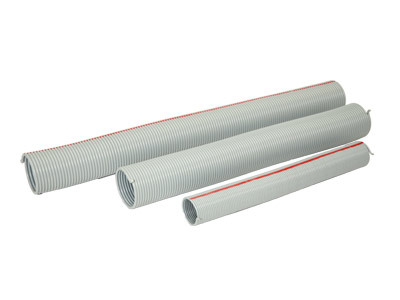

Choosing the Right Fancy Compression Spring for Your Application
Release Time:
2025-03-14
Choosing the Right Fancy Compression Spring for Your Application Table of Contents 1. Introduction to Compression Springs 2. What is a Compression Spring? 3. Types of Compression Springs 3.1 Fancy Compression Springs 3.2 Standard Compression Springs 4. Key Factors in Choosing Compression Springs 4.1 Material Selection

Choosing the Right Fancy Compression Spring for Your Application
Table of Contents
- 1. Introduction to Compression Springs
- 2. What is a Compression Spring?
- 3. Types of Compression Springs
- 4. Key Factors in Choosing Compression Springs
- 5. Applications of Compression Springs
- 6. Design Considerations for Compression Springs
- 7. Trends in Spring Manufacturing
- 8. Maintenance and Care of Compression Springs
- 9. Frequently Asked Questions
- 10. Conclusion
1. Introduction to Compression Springs
When it comes to mechanical engineering and various industrial applications, **compression springs** play a crucial role. These springs are designed to absorb energy and provide resistance against compressive forces. Selecting the right spring can significantly affect the performance and longevity of your machinery or product. In this article, we will delve into the nuances of choosing the right **fancy compression spring** for your specific application.
2. What is a Compression Spring?
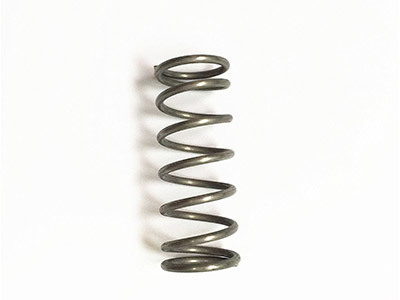
A **compression spring** is an elastic device that can be compressed to store energy. They are typically made of coiled wire and have a cylindrical shape, ensuring efficient energy absorption and release. The fundamental purpose of compression springs is to resist compressive forces applied along the spring's axis, allowing for flexibility and movement in mechanical systems.
3. Types of Compression Springs
Compression springs can be categorized into various types depending on their design and application. Understanding these differences is essential for making an informed choice.
3.1 Fancy Compression Springs
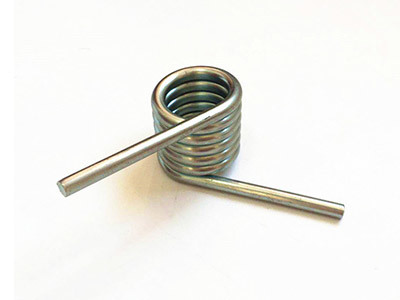
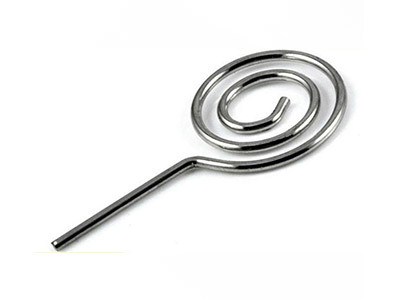
**Fancy compression springs** are characterized by their intricate designs, often featuring unique shapes or finishes. These springs are typically used in applications where aesthetics matter, such as in consumer products, automotive interiors, and electronic devices. Their decorative nature does not compromise functionality, making them a popular choice in design-focused projects.
3.2 Standard Compression Springs
**Standard compression springs**, on the other hand, have a more utilitarian design. They are widely used in industrial applications, machinery, and equipment where performance is the primary concern over aesthetics. These springs are manufactured in various diameters, wire sizes, and lengths, allowing for versatility in application.
4. Key Factors in Choosing Compression Springs
Selecting the correct compression spring involves evaluating several key factors to ensure optimal performance. Here are some of the most critical aspects to consider:
4.1 Material Selection
The **material** used to manufacture compression springs is a vital consideration, as it directly affects performance, durability, and cost. The most common materials include:
- **Stainless Steel**: Offers high corrosion resistance and is ideal for applications exposed to harsh environments.
- **Carbon Steel**: Provides excellent strength and is often more economical, but requires protective coatings to prevent rust.
- **Alloy Steel**: Combines various elements to enhance performance, particularly in high-stress applications.
4.2 Spring Dimensions
Spring dimensions, including **outer diameter**, **wire diameter**, and **spring length**, must align with your specific application requirements. Proper sizing ensures that the spring can effectively handle the intended load and will not deform or break under stress.
4.3 Coil Settling
**Coil settling** occurs when a compression spring is subjected to a load over time. Understanding the potential for coil settling can help you choose a spring that maintains its performance over its lifespan. Some designs mitigate this effect, making them ideal for applications requiring consistent spring performance.
4.4 Load Capacity
The **load capacity** of a compression spring is critical. It refers to the maximum load the spring can support without becoming permanently deformed. Identifying the expected load range for your application will help you select a spring that meets safety and functionality requirements.
5. Applications of Compression Springs
Compression springs are utilized in a diverse range of applications. Here are some prominent sectors where they are critical:
- **Automotive Industry**: Used in suspension systems, engines, and various mechanical assemblies to absorb shocks and maintain vehicle stability.
- **Consumer Electronics**: Found in devices like remote controls, keyboards, and cameras, where compact and efficient design is essential.
- **Manufacturing Equipment**: Used in machines to store energy, provide resistance, and facilitate movement in tools and equipment.
- **Medical Devices**: Utilized in various applications, including beds, wheelchairs, and instruments where precision and reliability are critical.
6. Design Considerations for Compression Springs
When designing fancy compression springs, several factors should be considered to optimize performance and aesthetics:
- **Spring Shape**: Aesthetically pleasing designs can enhance the overall look of a product while maintaining functionality.
- **Coating Options**: Different coatings can provide enhanced appearance, corrosion resistance, and extended lifespan.
- **Tolerances**: Proper tolerances are essential for ensuring that the spring fits perfectly within its intended application.
7. Trends in Spring Manufacturing
The manufacturing of compression springs is continuously evolving. Key trends include:
- **Advanced Materials**: Innovations in material science are leading to the development of stronger, lighter, and more resilient spring materials.
- **3D Printing**: Additive manufacturing is making it possible to create complex spring designs that were previously unattainable.
- **Sustainability**: An increasing focus on environmentally friendly manufacturing processes is leading to the use of recycled materials and sustainable practices in spring production.
8. Maintenance and Care of Compression Springs
To ensure the longevity of compression springs, regular maintenance is essential. Here are some best practices:
- **Inspection**: Regularly inspect springs for signs of wear, corrosion, or deformation.
- **Lubrication**: Appropriate lubrication can reduce friction and wear, enhancing performance.
- **Replacement**: Monitor the lifespan of compression springs and replace them when they begin to lose their effectiveness.
9. Frequently Asked Questions
1. What is the difference between fancy and standard compression springs?
Fancy compression springs often have unique designs and are used in aesthetic applications, while standard compression springs prioritize functionality and are utilized in industrial settings.
2. How do I determine the right load capacity for my spring?
Assess the maximum load that the spring will be subjected to in your application and select a spring with a load capacity above this requirement for safety.
3. Can compression springs be customized?
Yes, many manufacturers offer customization options, allowing you to specify dimensions, materials, and finishes to suit your needs.
4. What are common materials used for compression springs?
Common materials include stainless steel, carbon steel, and alloy steel, each with its unique properties suited for different applications.
5. How often should I inspect my compression springs?
Regular inspection is recommended, ideally every few months or after significant use, to check for wear and ensure optimal performance.
10. Conclusion
Choosing the right **fancy compression spring** for your application involves a careful evaluation of material, dimensions, load capacity, and design considerations. Whether you're working in automotive, manufacturing, or consumer electronics, understanding these factors will lead you to make informed decisions that enhance the functionality and aesthetics of your products. With the right spring, you can ensure reliability, performance, and longevity in your applications.
Related News
Contact Us
E-mail:
WhatsAPP:
Address:
Wen 'an Industrial New Area (small Farm), Langfang, Hebei, China