

How Advanced Compression Springs Enhance Mechanical Performance
Release Time:
2025-03-08
How Advanced Compression Springs Enhance Mechanical Performance Table of Contents 1. Introduction to Compression Springs 2. Understanding Compression Springs 2.1 Definition of Compression Springs 2.2 Types of Compression Springs 3. The Role of Compression Springs in Mechanical Performance 3.1 Energy Storage and Release

How Advanced Compression Springs Enhance Mechanical Performance
Table of Contents
- 1. Introduction to Compression Springs
- 2. Understanding Compression Springs
- 3. The Role of Compression Springs in Mechanical Performance
- 4. Applications of Advanced Compression Springs
- 5. Advantages of Using Advanced Compression Springs
- 6. Innovations in Compression Spring Technology
- 7. Best Practices for Implementing Compression Springs
- 8. Frequently Asked Questions (FAQs)
- 9. Conclusion
1. Introduction to Compression Springs
Compression springs are one of the most critical components in mechanical systems, serving to absorb and store energy. They play a significant role in various applications, from automotive suspensions to precision industrial machinery. Understanding how advanced compression springs function and their potential to enhance mechanical performance is essential for engineers and industry professionals alike. This article will explore the intricacies of compression springs and their importance in optimizing machinery performance.
2. Understanding Compression Springs
2.1 Definition of Compression Springs
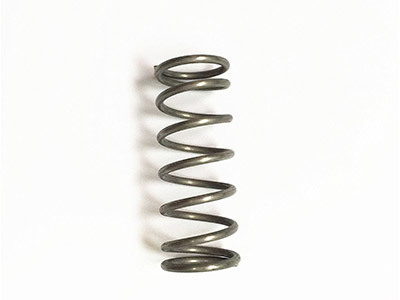
Compression springs are mechanical devices designed to resist compressive forces. They are typically cylindrical and made from coiled wire. When a compressive load is applied, these springs deform, storing potential energy. Upon release of the load, the springs return to their original shape, releasing the stored energy. This functionality makes compression springs vital in various mechanical applications.
2.2 Types of Compression Springs
There are several types of compression springs, each tailored for specific applications:
1. **Cylindrical Compression Springs**: The most common type, usually used in various mechanical devices.
2. **Conical Compression Springs**: Tapered springs that provide a progressive spring rate, ideal for applications requiring variable resistance.
3. **Barrel Compression Springs**: These springs have a barrel shape, providing consistent force over a range of motion.
4. **Multi-Stage Compression Springs**: Composed of multiple springs stacked together, suitable for applications needing distinct spring rates.
3. The Role of Compression Springs in Mechanical Performance
Compression springs significantly affect mechanical performance through several mechanisms.
3.1 Energy Storage and Release
One of the primary functions of compression springs is energy storage. They can absorb kinetic energy when compressed and release it when the load is removed. This energy transfer is fundamental in applications where dynamic movement occurs, allowing machines to operate smoothly and efficiently.
3.2 Vibration Damping Capabilities
Compression springs also provide vibration damping, which is essential in reducing unwanted oscillations in machinery. By absorbing vibrational energy, these springs enhance the longevity of components and improve overall performance. This function is particularly valuable in high-speed machines where vibrations can lead to mechanical failure.
4. Applications of Advanced Compression Springs
Advanced compression springs find applications across various sectors, enhancing mechanical performance in numerous ways.
4.1 Automotive Industry
In the automotive industry, compression springs are crucial in suspension systems, clutch mechanisms, and engine components. They contribute to ride comfort, handling, and overall vehicle performance. Advanced materials and design techniques have enabled the production of lightweight and durable springs that withstand harsh conditions.
4.2 Aerospace Engineering
In aerospace applications, reliability is paramount. Compression springs are used in landing gears, control systems, and safety mechanisms. The ability of these springs to perform under extreme conditions is vital for ensuring the safety and efficiency of aircraft.
4.3 Industrial Machinery
Industrial machinery relies heavily on compression springs for various functions, including material handling systems, conveyor belts, and automated assembly lines. The efficiency and reliability of these machines are significantly enhanced through the use of advanced compression springs, which can handle a vast range of loads and cycles.
5. Advantages of Using Advanced Compression Springs
Utilizing advanced compression springs comes with numerous benefits that can greatly impact mechanical performance.
5.1 Durability and Reliability
Advanced compression springs are designed for longevity. They are manufactured from high-quality materials that resist fatigue and wear, ensuring consistent performance even in demanding environments. This durability translates to reduced maintenance costs and increased operational efficiency.
5.2 Customization Options
One of the significant advantages of advanced compression springs is their customization. Engineers can specify dimensions, materials, and spring rates to meet the specific needs of their applications. This level of customization ensures optimal performance and compatibility with various machinery.
6. Innovations in Compression Spring Technology
The field of compression springs has seen significant innovations that enhance their performance and application.
6.1 Advanced Materials
The introduction of advanced materials, such as high-strength alloy steels and composite materials, has revolutionized the design and functionality of compression springs. These materials provide enhanced strength-to-weight ratios, allowing for smaller, lighter springs without compromising performance.
6.2 Manufacturing Techniques
Innovative manufacturing techniques, including computer numerical control (CNC) machining and additive manufacturing, have improved the precision and efficiency of spring production. These methods allow for tighter tolerances and more complex geometries, leading to better-performing springs.
7. Best Practices for Implementing Compression Springs
To maximize the benefits of advanced compression springs, it’s essential to follow best practices in their selection and installation:
1. **Select the Appropriate Spring Type**: Choose the spring type based on the specific application requirements and performance needs.
2. **Consider Load and Cycle Requirements**: Evaluate the maximum load and the number of cycles the spring will endure to ensure it meets performance expectations.
3. **Regular Maintenance**: Implement a maintenance schedule to inspect and replace springs as needed to maintain mechanical performance.
8. Frequently Asked Questions (FAQs)
Q1: What materials are commonly used in advanced compression springs?
A1: Advanced compression springs are typically made from high-strength alloy steels, stainless steel, and composite materials to enhance durability and performance.
Q2: How do I know which compression spring is right for my application?
A2: Assess the load requirements, cycle frequency, and environmental conditions of your application to determine the best compression spring type and specifications.
Q3: Can compression springs be customized?
A3: Yes, compression springs can be tailored to specific needs, including dimensions, material choices, and spring rates, ensuring optimal performance in various applications.
Q4: What are the common applications of compression springs?
A4: Compression springs are widely used in the automotive, aerospace, and industrial machinery sectors due to their ability to absorb and release energy.
Q5: How do compression springs contribute to energy efficiency in machines?
A5: By storing and releasing energy efficiently, compression springs reduce the energy required for mechanical operations, resulting in improved energy efficiency in machines.
9. Conclusion
Advanced compression springs play an indispensable role in enhancing mechanical performance across various industries. Their unique ability to store and release energy, along with their vibration-damping properties, makes them essential components in machinery design. With ongoing innovations in materials and manufacturing techniques, the future of compression springs looks promising, offering even greater performance and reliability. By understanding the importance and applications of these springs, engineers can optimize their designs, ensuring the highest levels of efficiency and effectiveness in mechanical systems.
Related News
Contact Us
E-mail:
WhatsAPP:
Address:
Wen 'an Industrial New Area (small Farm), Langfang, Hebei, China