

How to Identify High-Quality Compression Springs for Your Projects
Release Time:
2025-03-02
How to Identify High-Quality Compression Springs for Your Projects Table of Contents Introduction to Compression Springs Understanding Compression Springs The Importance of Quality in Compression Springs Key Characteristics of High-Quality Compression Springs Materials Used in Compression Springs Manufacturing Process of Compression Springs Testing and Certifications f

How to Identify High-Quality Compression Springs for Your Projects
Table of Contents
- Introduction to Compression Springs
- Understanding Compression Springs
- The Importance of Quality in Compression Springs
- Key Characteristics of High-Quality Compression Springs
- Materials Used in Compression Springs
- Manufacturing Process of Compression Springs
- Testing and Certifications for Compression Springs
- Maintenance and Care for Compression Springs
- Common Mistakes to Avoid When Selecting Compression Springs
- Conclusion
- FAQs
Introduction to Compression Springs
Compression springs are a vital component in various applications across multiple industries, from automotive to aerospace and consumer products. These springs are designed to resist compressive forces and return to their original length when the load is removed. Understanding how to identify high-quality compression springs is crucial for ensuring the efficiency and longevity of your projects.
Understanding Compression Springs
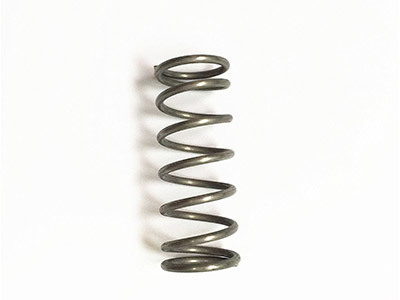
Compression springs are typically cylindrical in shape and offer resistance against compression. They store potential energy when compressed and release it when allowed to expand. The design and material used in these springs significantly affect their performance, making it essential to choose the right one for your specific needs.
The Importance of Quality in Compression Springs
Choosing high-quality compression springs can lead to improved performance, enhanced durability, and reduced maintenance costs. Low-quality springs may lead to premature failure, affecting the overall integrity of the system they are part of. Therefore, understanding the indicators of quality is vital for any engineering or manufacturing project.
Key Characteristics of High-Quality Compression Springs
When evaluating compression springs, several key characteristics should be considered:
1. Material Quality
The material from which a compression spring is made significantly influences its performance and durability. High-quality materials ensure that the spring can withstand various loads and environmental conditions without deformation or failure.
2. Coating and Finishing
A quality spring often has protective coatings to prevent corrosion and wear. The finish also affects the spring's overall appearance and can impact its performance. Look for springs with smooth finishes that reduce friction and wear.
3. Dimensional Accuracy
Precision is key in the manufacturing of compression springs. High-quality springs will adhere to strict tolerances in their dimensions, ensuring they fit properly in their intended applications.
4. Load Bearing Capacity
Understanding the load-bearing capacity of a spring is crucial. High-quality compression springs are designed to handle specified loads without permanent deformation.
5. Fatigue Resistance
Quality springs exhibit high fatigue resistance, allowing them to endure repeated compressive cycles without failure. This characteristic is essential for applications where the spring will be used frequently.
Materials Used in Compression Springs
The choice of material plays a pivotal role in the performance of compression springs. Common materials include:
1. Music Wire
Music wire is a high-carbon steel known for its excellent tensile strength and fatigue resistance. It's commonly used in various applications due to its cost-effectiveness.
2. Stainless Steel
Stainless steel springs are ideal for applications requiring corrosion resistance. They are often used in medical devices and food processing equipment.
3. Alloy Steel
Alloy steel offers enhanced strength and durability, making it suitable for applications involving extreme conditions or heavy loads.
4. Plastic and Composite Materials
For specific applications, plastic and composite materials may be used to reduce weight and provide resistance to corrosion, though they generally have lower load-bearing capacities.
Manufacturing Process of Compression Springs
The manufacturing process can significantly impact the quality of compression springs. Here are the key steps involved:
1. Wire Drawing
Wire drawing reduces the diameter of steel rods into wire, which is the primary material for spring manufacturing.
2. Coiling
The drawn wire is coiled into the desired shape using CNC machines, ensuring precision and consistency.
3. Heat Treatment
Heat treatment enhances the strength and elasticity of the springs, allowing them to withstand greater loads.
4. Surface Treatment
After coiling and heat treatment, springs undergo surface treatment processes, including coating and finishing to prevent corrosion and wear.
5. Quality Control
Quality control measures, such as dimensional checks and performance testing, ensure that only high-quality springs are delivered to customers.
Testing and Certifications for Compression Springs
To ensure the quality of compression springs, several testing and certification processes can be implemented:
1. Load Testing
Load testing verifies that the springs can handle specified loads without permanent deformation.
2. Fatigue Testing
Fatigue testing checks the durability and performance of springs under repeated cycles of loading and unloading.
3. Certifications
Certifications such as ISO 9001 ensure that the manufacturing processes adhere to international quality standards, providing confidence in the product's reliability.
Maintenance and Care for Compression Springs
Proper maintenance and care can extend the lifespan of compression springs. Here are some best practices:
1. Regular Inspections
Conduct regular inspections for signs of wear, corrosion, or deformation. Early detection of issues can prevent failure.
2. Lubrication
Use appropriate lubricants to minimize friction and wear between moving parts, especially in applications with repeated motion.
3. Correct Installation
Ensure that springs are installed correctly, as improper installation can lead to premature failure.
Common Mistakes to Avoid When Selecting Compression Springs
Avoiding common pitfalls can help ensure that you choose the right compression springs for your projects:
1. Not Considering Load Requirements
Failing to accurately assess load requirements can lead to selecting springs that are either too weak or too strong for the application.
2. Ignoring Environmental Factors
Consider the environmental conditions, such as temperature and humidity, as they can affect the performance and lifespan of the springs.
3. Overlooking Manufacturer Reputation
Choosing springs from reputable manufacturers with a track record of quality can significantly reduce the risk of failure.
Conclusion
Identifying high-quality compression springs is essential for the success of any project that utilizes these vital components. By understanding the key characteristics, materials, manufacturing processes, and maintenance practices, we can make informed decisions that lead to improved performance and longevity in our applications. Remember, the quality of your compression springs directly influences the overall efficiency and reliability of your projects.
FAQs
1. What are compression springs used for?
Compression springs are used in various applications, including automotive suspensions, appliances, and industrial machinery, to provide resistance against compressive forces.
2. How can I determine the right size compression spring for my application?
To determine the right size, consider factors such as the required load capacity, spring rate, and available space for installation.
3. What materials are best for compression springs?
High-carbon steel, stainless steel, and alloy steel are commonly used materials, with the best choice depending on the specific application requirements.
4. How can I extend the lifespan of my compression springs?
Regular inspections, appropriate lubrication, and ensuring correct installation can help extend the lifespan of compression springs.
5. What certifications should I look for in quality compression springs?
Look for certifications such as ISO 9001, which indicate adherence to international quality standards in manufacturing.
Related News
Contact Us
E-mail:
WhatsAPP:
Address:
Wen 'an Industrial New Area (small Farm), Langfang, Hebei, China