

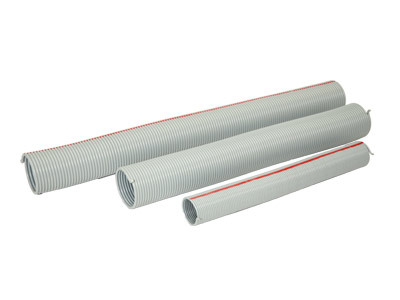

The Fascinating Journey Through the History and Development of Compression Springs
Release Time:
2025-01-19
The Fascinating Journey Through the History and Development of Compression Springs Table of Contents 1. Introduction to Compression Springs 2. The Early Beginnings of Compression Springs 3. Materials Used in Compression Spring Manufacturing 4. The Evolution of Compression Spring Design 5. Advances in Compression Spring Manufacturing Techniques 6. Applications of Compression Springs in Various Indu

The Fascinating Journey Through the History and Development of Compression Springs
Table of Contents
1. Introduction to Compression Springs
2. The Early Beginnings of Compression Springs
3. Materials Used in Compression Spring Manufacturing
4. The Evolution of Compression Spring Design
5. Advances in Compression Spring Manufacturing Techniques
6. Applications of Compression Springs in Various Industries
7. The Future of Compression Springs: Trends and Innovations
8. Frequently Asked Questions (FAQs)
9. Conclusion
1. Introduction to Compression Springs
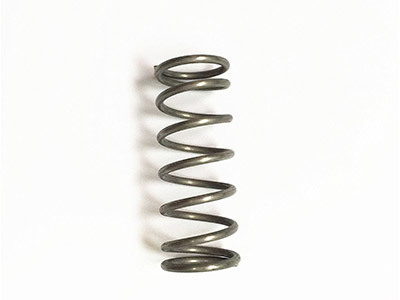
Compression springs are essential mechanical components widely used across various industries. These helical springs are designed to resist axial loads by compressing when a force is applied. **Their unique ability to store mechanical energy** makes them indispensable in applications ranging from automotive engineering to consumer electronics. Understanding the history and development of compression springs allows us to appreciate their impact on modern machinery and technology.
2. The Early Beginnings of Compression Springs
The history of compression springs can be traced back to ancient civilizations. **The earliest examples of spring-like mechanisms** can be found in ancient Egypt, where rudimentary forms of springs were employed in simple tools and devices. However, it was not until the 15th century that the first true compression springs began to emerge in Europe.
During this period, craftsmen started utilizing wire to create coiled springs. **The advancements in metallurgy** allowed for the production of stronger and more durable materials, leading to the creation of more effective compression springs. The evolution of coil springs continued through the industrial revolution, where the demand for mechanical components surged, and innovations flourished.
3. Materials Used in Compression Spring Manufacturing
The selection of materials for manufacturing compression springs plays a crucial role in their performance and longevity. **Common materials used** include high-carbon steel, stainless steel, and various alloys. High-carbon steel is favored for its strength and fatigue resistance, making it ideal for heavy-duty applications.
**Stainless steel**, on the other hand, provides excellent corrosion resistance, making it suitable for environments exposed to moisture and chemicals. Additionally, various alloys such as music wire and oil-tempered wire offer enhanced performance characteristics. The continuous development of new materials contributes to the overall advancement of compression spring technology.
4. The Evolution of Compression Spring Design
As technology advanced, so did the design of compression springs. **Initial designs** were simple and functional, primarily focusing on basic coil shapes. However, engineers began to explore more complex geometries to enhance performance and efficiency.
Modern compression springs are available in numerous configurations, such as conical, barrel, and hourglass shapes. **These variations improve load distribution and enhance the spring's resilience** under different operating conditions. Furthermore, advancements in computer-aided design (CAD) software have revolutionized the design process, allowing for the precise modeling of springs to meet specific application requirements.
5. Advances in Compression Spring Manufacturing Techniques
The manufacturing process of compression springs has undergone significant changes over the years. Traditional methods included manual coiling and heat treatment, which were labor-intensive and often resulted in inconsistent quality. **Today, advanced manufacturing techniques** such as automated coiling machines, CNC machining, and computer-controlled heat treatment processes enable the mass production of high-quality compression springs.
**These innovations not only increase efficiency** but also improve the accuracy of dimensions and tolerances. Quality control measures, including fatigue testing and material analysis, ensure that each spring meets industry standards. This evolution in manufacturing has made it possible to produce compression springs with superior performance characteristics.
6. Applications of Compression Springs in Various Industries
Compression springs find applications in an extensive range of industries. Some of the most common uses include:
6.1 Automotive Industry
In the automotive sector, compression springs are integral components in suspensions, clutches, and valves. **They provide necessary support and cushioning**, enhancing the overall performance and safety of vehicles.
6.2 Aerospace Industry
The aerospace industry relies on compression springs for various applications, including landing gear and control systems. **Their ability to withstand extreme conditions** ensures the reliability of critical components in flight.
6.3 Consumer Electronics
In consumer electronics, compression springs are used in devices such as keyboards, remotes, and printers. **They enhance user experience by providing tactile feedback** and ensuring the longevity of mechanical features.
6.4 Industrial Machinery
Compression springs are vital in industrial machinery, where they assist in the operation of valves, hoppers, and tools. **Their ability to absorb shocks and maintain tension** makes them essential for machinery durability and efficiency.
6.5 Medical Devices
In the medical field, compression springs are used in devices like syringes and surgical instruments. **The precision and reliability** of these springs are critical in ensuring patient safety and effective treatment.
7. The Future of Compression Springs: Trends and Innovations
The future of compression springs is bright, with continuous advancements in materials and technology. **Emerging trends include the development of smart springs** that can monitor performance and provide real-time data. These innovations not only enhance functionality but also facilitate predictive maintenance, reducing downtime in industrial applications.
Furthermore, **sustainability is becoming a focal point**, with manufacturers exploring eco-friendly materials and processes to minimize environmental impact. As industries evolve, compression springs will undoubtedly adapt, continuing to play a crucial role in various applications.
8. Frequently Asked Questions (FAQs)
8.1 What is a compression spring?
A compression spring is a type of spring that resists compressive forces. It is designed to store mechanical energy when compressed and release it when the force is removed.
8.2 How are compression springs made?
Compression springs are made by coiling wire into a helical shape, followed by heat treatment to enhance their strength and durability.
8.3 What materials are used for compression springs?
Common materials include high-carbon steel, stainless steel, and various alloys, chosen based on the specific application requirements.
8.4 What factors affect the performance of a compression spring?
Factors such as wire diameter, coil diameter, pitch, and material properties all influence the performance and load-bearing capacity of compression springs.
8.5 What are the common applications of compression springs?
Compression springs are used in automotive, aerospace, consumer electronics, industrial machinery, and medical devices, among other industries.
9. Conclusion
The history and development of compression springs illustrate a remarkable journey of innovation and engineering mastery. From their humble beginnings to their crucial roles in modern machinery, compression springs continue to evolve alongside technological advancements. As industries demand greater efficiency and performance, the ongoing development of materials, designs, and manufacturing techniques ensures that compression springs will remain pivotal in a wide array of applications. Embracing the future of compression springs will undoubtedly lead to even more exciting innovations in the years to come.
Related News
Contact Us
E-mail:
WhatsAPP:
Address:
Wen 'an Industrial New Area (small Farm), Langfang, Hebei, China