

Understanding Industrial Door Springs: Essential Insights for Your Projects
Release Time:
2025-01-06
Industrial door springs play a crucial role in the operation of various door types, particularly in commercial and industrial settings. These springs are designed to facilitate the opening and closing of heavy doors, ensuring smooth operation while also contributing to safety and efficiency. Understanding the different types of industrial door springs, their functions, and maintenance is vital for

Industrial door springs play a crucial role in the operation of various door types, particularly in commercial and industrial settings. These springs are designed to facilitate the opening and closing of heavy doors, ensuring smooth operation while also contributing to safety and efficiency. Understanding the different types of industrial door springs, their functions, and maintenance is vital for ensuring optimal performance and longevity.
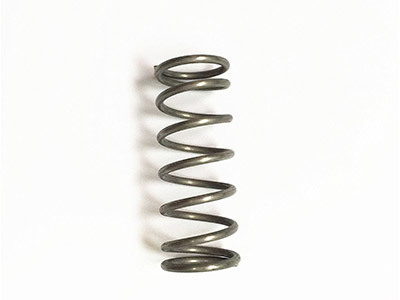
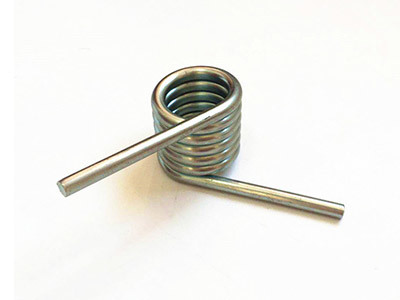
There are primarily two types of industrial door springs: torsion springs and extension springs. Torsion springs are mounted above the door and work by twisting to store energy when the door is closed. This energy is released as the door opens, allowing for a controlled and efficient operation. On the other hand, extension springs are commonly found on the sides of doors. They stretch and contract as the door opens and closes, providing a counterbalance that helps in lifting the door weight.
The selection of the right industrial door spring is critical for the overall performance of the door system. Factors to consider include the weight of the door, the frequency of use, and environmental conditions. For example, in high-traffic areas, heavier-duty springs may be necessary to withstand continuous use. Additionally, considering the climate can affect spring performance; for instance, humid environments might require springs with corrosion-resistant properties.
Regular maintenance of industrial door springs is essential to prevent malfunctions. Here are some practical tips for keeping them in good condition:
1. **Inspection:** Regularly inspect the springs for any signs of wear or damage. Look for cracks, rust, or any deformation that could compromise their function.
2. **Lubrication:** Apply a suitable lubricant to the springs to minimize friction and reduce wear. This can enhance their operating efficiency and lifespan.
3. **Alignment Check:** Ensure that the springs are properly aligned. Misalignment can lead to uneven wear and operational issues.
4. **Professional Servicing:** For any repairs or replacements, consider hiring a professional. Industrial door springs are under significant tension, and improper handling can be dangerous.
In conclusion, understanding industrial door springs is crucial for anyone involved in the construction or maintenance of commercial and industrial facilities. By familiarizing yourself with the types, functions, and maintenance practices related to these essential components, you can help ensure that your door systems operate safely and efficiently for years to come. Whether you're upgrading existing systems or planning new installations, knowledge of industrial door springs will empower you to make informed decisions that enhance operational effectiveness.
There are primarily two types of industrial door springs: torsion springs and extension springs. Torsion springs are mounted above the door and work by twisting to store energy when the door is closed. This energy is released as the door opens, allowing for a controlled and efficient operation. On the other hand, extension springs are commonly found on the sides of doors. They stretch and contract as the door opens and closes, providing a counterbalance that helps in lifting the door weight.
The selection of the right industrial door spring is critical for the overall performance of the door system. Factors to consider include the weight of the door, the frequency of use, and environmental conditions. For example, in high-traffic areas, heavier-duty springs may be necessary to withstand continuous use. Additionally, considering the climate can affect spring performance; for instance, humid environments might require springs with corrosion-resistant properties.
Regular maintenance of industrial door springs is essential to prevent malfunctions. Here are some practical tips for keeping them in good condition:
1. **Inspection:** Regularly inspect the springs for any signs of wear or damage. Look for cracks, rust, or any deformation that could compromise their function.
2. **Lubrication:** Apply a suitable lubricant to the springs to minimize friction and reduce wear. This can enhance their operating efficiency and lifespan.
3. **Alignment Check:** Ensure that the springs are properly aligned. Misalignment can lead to uneven wear and operational issues.
4. **Professional Servicing:** For any repairs or replacements, consider hiring a professional. Industrial door springs are under significant tension, and improper handling can be dangerous.
In conclusion, understanding industrial door springs is crucial for anyone involved in the construction or maintenance of commercial and industrial facilities. By familiarizing yourself with the types, functions, and maintenance practices related to these essential components, you can help ensure that your door systems operate safely and efficiently for years to come. Whether you're upgrading existing systems or planning new installations, knowledge of industrial door springs will empower you to make informed decisions that enhance operational effectiveness.
Related News
Contact Us
E-mail:
WhatsAPP:
Address:
Wen 'an Industrial New Area (small Farm), Langfang, Hebei, China