

Understanding Offside Front Coil Springs: Key Insights for Manufacturing Precision
Release Time:
2025-01-02
In the realm of manufacturing and processing machinery, offside front coil springs play a vital role in ensuring stability and performance in various systems. These specialized coil springs are typically found in vehicles, machinery, and equipment that require precise suspension and support mechanisms. Understanding their design and functionality is crucial for anyone involved in the production or

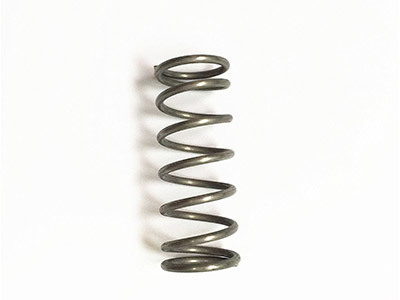
In the realm of manufacturing and processing machinery, offside front coil springs play a vital role in ensuring stability and performance in various systems. These specialized coil springs are typically found in vehicles, machinery, and equipment that require precise suspension and support mechanisms. Understanding their design and functionality is crucial for anyone involved in the production or maintenance of such systems.
Offside front coil springs are designed to absorb shocks and maintain alignment under load, contributing to the overall stability of the vehicle or equipment. Their primary function is to support the weight of the front end, enabling smooth operation and effective handling. When designing these springs, manufacturers must consider several factors, including material type, coil diameter, wire thickness, and the desired spring rate. Each of these elements influences the spring's performance and longevity.
The material used in the construction of offside front coil springs is critical. Typically, high-carbon steel or alloyed steel is utilized due to its excellent tensile strength and fatigue resistance. These materials ensure that the springs can endure repeated stress without deformation. Additionally, the manufacturing process often involves heat treatment to enhance the springs' properties, allowing them to perform optimally in demanding conditions.
One of the key considerations in the design of offside front coil springs is the spring rate, which is a measure of how much load a spring can support per unit of deflection. A higher spring rate indicates a stiffer spring, while a lower rate suggests a softer spring. The appropriate spring rate is essential for achieving the desired handling characteristics and ride quality. Therefore, engineers must carefully calculate the required specifications based on the application's weight and performance demands.
Moreover, the installation and maintenance of offside front coil springs are equally important. Proper installation ensures that the springs function as intended, while regular inspections can help detect any signs of wear or fatigue. If a spring is found to be compromised, it should be replaced promptly to maintain the safety and efficiency of the machinery or vehicle.
In conclusion, offside front coil springs are integral components in manufacturing and processing machinery. Their design, material selection, and installation are paramount to ensuring optimal performance and safety. By understanding the technical aspects of these springs, industry professionals can make informed decisions that enhance the functionality and reliability of their products. Whether you are designing new systems or maintaining existing equipment, knowledge of offside front coil springs will undoubtedly contribute to your success in the field.
Offside front coil springs are designed to absorb shocks and maintain alignment under load, contributing to the overall stability of the vehicle or equipment. Their primary function is to support the weight of the front end, enabling smooth operation and effective handling. When designing these springs, manufacturers must consider several factors, including material type, coil diameter, wire thickness, and the desired spring rate. Each of these elements influences the spring's performance and longevity.
The material used in the construction of offside front coil springs is critical. Typically, high-carbon steel or alloyed steel is utilized due to its excellent tensile strength and fatigue resistance. These materials ensure that the springs can endure repeated stress without deformation. Additionally, the manufacturing process often involves heat treatment to enhance the springs' properties, allowing them to perform optimally in demanding conditions.
One of the key considerations in the design of offside front coil springs is the spring rate, which is a measure of how much load a spring can support per unit of deflection. A higher spring rate indicates a stiffer spring, while a lower rate suggests a softer spring. The appropriate spring rate is essential for achieving the desired handling characteristics and ride quality. Therefore, engineers must carefully calculate the required specifications based on the application's weight and performance demands.
Moreover, the installation and maintenance of offside front coil springs are equally important. Proper installation ensures that the springs function as intended, while regular inspections can help detect any signs of wear or fatigue. If a spring is found to be compromised, it should be replaced promptly to maintain the safety and efficiency of the machinery or vehicle.
In conclusion, offside front coil springs are integral components in manufacturing and processing machinery. Their design, material selection, and installation are paramount to ensuring optimal performance and safety. By understanding the technical aspects of these springs, industry professionals can make informed decisions that enhance the functionality and reliability of their products. Whether you are designing new systems or maintaining existing equipment, knowledge of offside front coil springs will undoubtedly contribute to your success in the field.
Related News
Contact Us
E-mail:
WhatsAPP:
Address:
Wen 'an Industrial New Area (small Farm), Langfang, Hebei, China