

Understanding Axial Torsion Springs: Their Applications and Benefits
Release Time:
2024-12-31
Axial torsion springs are a specialized type of spring designed to exert torque, enabling rotational motion. Unlike traditional extension or compression springs, axial torsion springs work by twisting around an axis, providing a unique solution for many mechanical applications. These springs can be configured in various sizes and materials, which allows for a wide range of performance characterist

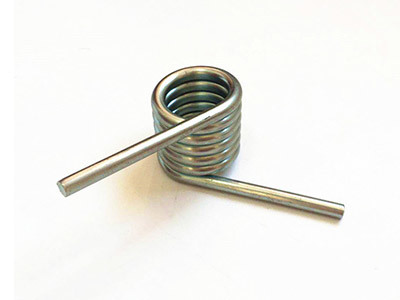
Axial torsion springs are a specialized type of spring designed to exert torque, enabling rotational motion. Unlike traditional extension or compression springs, axial torsion springs work by twisting around an axis, providing a unique solution for many mechanical applications. These springs can be configured in various sizes and materials, which allows for a wide range of performance characteristics tailored to specific requirements.
One of the key advantages of axial torsion springs is their ability to store and release energy efficiently. They are commonly employed in applications where space is limited, as their compact design allows them to fit seamlessly into smaller assemblies. These springs are widely used in sectors such as automotive, aerospace, and consumer electronics, where they contribute to mechanisms like latches, hinges, and various types of locking devices.
The design of an axial torsion spring involves careful consideration of factors such as material selection, spring diameter, coil count, and wire thickness. Typically, high-strength materials such as stainless steel or music wire are chosen for their durability and resilience under load. The spring's configuration can be customized to achieve the desired torque output, making it essential for engineers to specify their requirements accurately.
When selecting an axial torsion spring, it is important to consider its operational environment. Factors such as temperature fluctuations, exposure to corrosive substances, and load conditions can significantly impact the spring’s performance and longevity. Ensuring that the spring material can withstand these conditions is crucial to prevent premature failure.
Another significant aspect of axial torsion springs is their role in enhancing the overall performance of mechanical systems. By providing controlled rotational force, they can improve the efficiency of a device, reduce wear and tear, and minimize maintenance costs. As a result, incorporating high-quality axial torsion springs can lead to increased reliability and performance stability in various applications.
In conclusion, axial torsion springs are vital components in many manufacturing and mechanical processing systems. Their unique ability to provide torque in a compact form factor makes them invaluable in multiple industries. Understanding their design, applications, and material considerations is essential for professionals looking to optimize their use in mechanical assemblies. By leveraging the advantages of axial torsion springs, engineers can enhance product functionality and durability, ultimately contributing to the success of their projects.
One of the key advantages of axial torsion springs is their ability to store and release energy efficiently. They are commonly employed in applications where space is limited, as their compact design allows them to fit seamlessly into smaller assemblies. These springs are widely used in sectors such as automotive, aerospace, and consumer electronics, where they contribute to mechanisms like latches, hinges, and various types of locking devices.
The design of an axial torsion spring involves careful consideration of factors such as material selection, spring diameter, coil count, and wire thickness. Typically, high-strength materials such as stainless steel or music wire are chosen for their durability and resilience under load. The spring's configuration can be customized to achieve the desired torque output, making it essential for engineers to specify their requirements accurately.
When selecting an axial torsion spring, it is important to consider its operational environment. Factors such as temperature fluctuations, exposure to corrosive substances, and load conditions can significantly impact the spring’s performance and longevity. Ensuring that the spring material can withstand these conditions is crucial to prevent premature failure.
Another significant aspect of axial torsion springs is their role in enhancing the overall performance of mechanical systems. By providing controlled rotational force, they can improve the efficiency of a device, reduce wear and tear, and minimize maintenance costs. As a result, incorporating high-quality axial torsion springs can lead to increased reliability and performance stability in various applications.
In conclusion, axial torsion springs are vital components in many manufacturing and mechanical processing systems. Their unique ability to provide torque in a compact form factor makes them invaluable in multiple industries. Understanding their design, applications, and material considerations is essential for professionals looking to optimize their use in mechanical assemblies. By leveraging the advantages of axial torsion springs, engineers can enhance product functionality and durability, ultimately contributing to the success of their projects.
Related News
Contact Us
E-mail:
WhatsAPP:
Address:
Wen 'an Industrial New Area (small Farm), Langfang, Hebei, China