

How Torsion Springs Enhance the Durability of Doors and Windows
Release Time:
2024-12-25
How Torsion Springs Enhance the Durability of Doors and Windows Table of Contents Introduction to Torsion Springs What Are Torsion Springs? The Functionality of Torsion Springs in Doors and Windows Advantages of Using Torsion Springs How Torsion Springs Improve Durability Installation and Maintenance of Torsion Springs Applications of Torsion Springs in Architecture

How Torsion Springs Enhance the Durability of Doors and Windows
Table of Contents
- Introduction to Torsion Springs
- What Are Torsion Springs?
- The Functionality of Torsion Springs in Doors and Windows
- Advantages of Using Torsion Springs
- How Torsion Springs Improve Durability
- Installation and Maintenance of Torsion Springs
- Applications of Torsion Springs in Architecture
- Future Trends in Torsion Spring Technology
- FAQs About Torsion Springs
- Conclusion
Introduction to Torsion Springs
Torsion springs play a critical role in enhancing the functionality and durability of doors and windows. These mechanical devices store energy when twisted and release it when allowed to rotate back to their original position. Understanding the intricacies of torsion springs can help homeowners and builders alike appreciate their importance in various architectural applications.
What Are Torsion Springs?
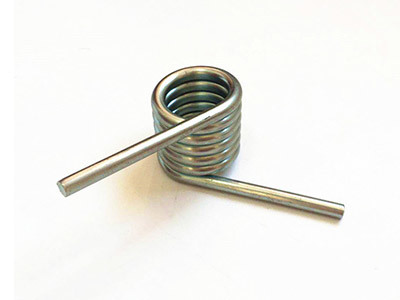
Torsion springs are tightly wound coils that exert force when twisted. They are uniquely designed to bear loads and provide resistance against rotation. Commonly made from high-carbon steel or stainless steel, torsion springs are an integral part of various mechanisms. In doors and windows, they serve to balance the weight, making them easier to open and close.
Types of Torsion Springs
There are two primary types of torsion springs: single torsion springs and double torsion springs. Single torsion springs consist of a single coil, while double torsion springs comprise two coils to provide greater force. The choice between the two typically depends on the specific requirements of the installation.
The Functionality of Torsion Springs in Doors and Windows
Torsion springs are essential for the proper operation of doors and windows. They assist in counterbalancing the weight, allowing for smoother operation. When installed correctly, torsion springs can significantly reduce the effort required to open or close doors and windows, improving overall user experience.
How Torsion Springs Work
When a door or window is opened, the torsion spring unwinds, storing potential energy. This energy is then released when the door or window needs to close, providing a controlled and smooth motion. This functionality not only enhances user convenience but also contributes to the longevity of the hardware.
Advantages of Using Torsion Springs
Incorporating torsion springs into door and window systems offers numerous advantages:
1. Enhanced Durability
Torsion springs are designed to withstand repeated use without losing functionality. Their robust construction ensures that they can handle the demands of everyday operation.
2. Improved Security
By providing a balanced system, torsion springs help keep doors and windows securely closed. This feature is particularly advantageous in enhancing the security of residential and commercial properties.
3. Energy Efficiency
With their ability to facilitate smoother operation, torsion springs contribute to energy efficiency. They reduce the strain on components, leading to lower chances of wear and tear, which can save on maintenance costs.
4. Versatility
Torsion springs are versatile and can be used in various applications beyond doors and windows, such as garage doors, shutters, and even furniture.
5. Cost-Effective Solution
Although the initial investment might seem significant, the long-term benefits of reduced maintenance and increased durability make torsion springs a cost-effective solution.
How Torsion Springs Improve Durability
Torsion springs play a vital role in increasing the durability of doors and windows. By effectively managing the weight and stress placed on these structures, they help prevent premature wear and damage.
Stress Distribution
Torsion springs help distribute the weight of the door or window evenly. This distribution minimizes localized stress that can lead to warping or damage over time.
Resistance to Environmental Factors
Quality torsion springs resist corrosion and environmental factors, thanks to the materials used in their construction. This resilience ensures that they maintain functionality even in harsh conditions.
Installation and Maintenance of Torsion Springs
Proper installation and maintenance of torsion springs are crucial for their performance and longevity.
Installation Guidelines
- **Select the Right Size**: It’s essential to choose the correct size and type of spring based on the specific application.
- **Professional Installation**: For safety reasons, it’s advisable to have torsion springs installed by professionals who understand the mechanics involved.
Maintenance Tips
- **Regular Inspections**: Regularly check for signs of wear or damage, such as rust or deformation.
- **Lubrication**: Applying a suitable lubricant can help reduce friction and prolong the lifespan of the spring.
Applications of Torsion Springs in Architecture
Torsion springs are widely used in various applications within architectural design.
1. Residential Doors and Windows
In homes, torsion springs are often utilized in entry doors and window systems to provide ease of use and durability.
2. Commercial Buildings
In commercial settings, torsion springs are essential for high-traffic doors and large windows, ensuring they operate smoothly even under heavy use.
3. Specialty Structures
Torsion springs are also used in specialty installations such as skylights, where they help support the weight and ensure functionality.
Future Trends in Torsion Spring Technology
As technology advances, so does the design and functionality of torsion springs. Innovations include the development of smart torsion springs equipped with sensors that monitor usage and wear, alerting users to maintenance needs.
Eco-Friendly Materials
There’s a growing trend towards using eco-friendly materials in the manufacturing of torsion springs, which aligns with the increasing demand for sustainable building practices.
FAQs About Torsion Springs
1. What is the lifespan of a torsion spring?
The lifespan of a torsion spring can vary based on usage and maintenance but typically ranges from 10,000 to 50,000 cycles.
2. Can I install torsion springs myself?
While it's possible, it is highly recommended to have torsion springs installed by professionals due to the complexity and safety risks involved.
3. How do I know if my torsion spring needs replacing?
Signs that a torsion spring may need replacing include abnormal noises during operation, rust, or visible deformation.
4. Are torsion springs adjustable?
Some torsion springs can be adjusted to increase or decrease tension, which can help fine-tune the performance of doors and windows.
5. What materials are torsion springs made from?
Torsion springs are typically made from high-carbon steel or stainless steel, both of which offer durability and resistance to wear.
Conclusion
Understanding how torsion springs enhance the durability of doors and windows is essential for anyone involved in building or maintaining structures. Their unique ability to balance weight, improve security, and enhance user experience makes them invaluable components in modern architecture. By investing in high-quality torsion springs and ensuring proper installation and maintenance, homeowners and builders can significantly improve the longevity and functionality of doors and windows, creating spaces that are both beautiful and practical.
Related News
Contact Us
E-mail:
WhatsAPP:
Address:
Wen 'an Industrial New Area (small Farm), Langfang, Hebei, China