

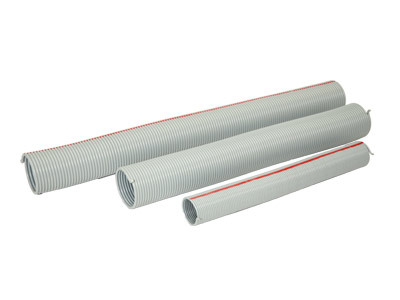

How to Choose the Right Tension Spring for Your AK Lower Handguard
Release Time:
2024-12-19
How to Choose the Right Tension Spring for Your AK Lower Handguard Table of Contents Introduction to Tension Springs Understanding Tension Springs Applications of Tension Springs in AK Firearms Factors to Consider When Choosing a Tension Spring Material Selection Load Capacity Size and Dimensions Tension Force Requirements

How to Choose the Right Tension Spring for Your AK Lower Handguard
Table of Contents
- Introduction to Tension Springs
- Understanding Tension Springs
- Applications of Tension Springs in AK Firearms
- Factors to Consider When Choosing a Tension Spring
- Top Providers of Tension Springs
- Installation Tips for Your Tension Spring
- Maintenance Best Practices for Tension Springs
- Frequently Asked Questions
- Conclusion
Introduction to Tension Springs
Choosing the right tension spring for your AK lower handguard is crucial for enhancing the firearm's performance and ensuring reliability during operation. Tension springs, which are designed to resist compressive forces, play a vital role in maintaining the integrity of various components. Understanding how these springs function and the factors influencing their selection can significantly impact your shooting experience.
Understanding Tension Springs
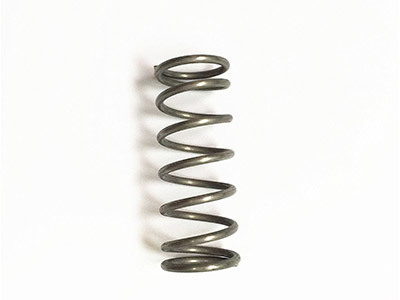
Tension springs, also known as compression springs, are mechanical devices that store energy when compressed. They exert a force in the opposite direction of compression, effectively returning to their original shape when released. In firearms, these springs are essential for ensuring that parts return to their pre-compressed state, maintaining tension and facilitating smooth operation.
Applications of Tension Springs in AK Firearms
In the context of AK firearms, tension springs are employed in various components, including the handguard assembly. They help to keep the handguard secure while allowing for necessary movement during operation. When selecting the correct spring, one must consider how the spring will interact with the overall design of the firearm.
Factors to Consider When Choosing a Tension Spring
When choosing a tension spring for your AK lower handguard, several factors should be carefully evaluated to ensure optimal performance.
Material Selection
The material of the tension spring is a critical aspect affecting its durability and performance. Common materials include:
- **Stainless Steel**: Highly resistant to corrosion and wear, making it suitable for various environments.
- **Music Wire**: Offers excellent tensile strength and is often used in applications requiring high fatigue resistance.
- **Oil-Tempered Steel**: Provides good durability and is less expensive than stainless steel, but may corrode if not properly treated.
Each material has its advantages and potential drawbacks, so selecting one based on your specific needs and environmental considerations is essential.
Load Capacity
Load capacity refers to the amount of force a spring can handle before deforming. It's crucial to select a spring with appropriate load capacity for your application. If the spring is too weak, it may not provide adequate tension, leading to malfunction. Conversely, a spring with excess capacity may create unnecessary pressure, affecting overall performance.
Size and Dimensions
The size and dimensions of the tension spring must align with the specifications of the AK lower handguard. Key measurements include:
- **Wire Diameter**: Thicker wire can handle more load, but may not fit well in compact spaces.
- **Spring Length**: The length of the spring must be suitable for the handguard design to ensure proper function.
- **Outside Diameter**: This dimension should fit within the handguard without causing interference.
Tension Force Requirements
Understanding the required tension force is vital. This measurement indicates how much resistance the spring will provide against compression. This force is generally measured in pounds and should align with the specifications provided by the firearm's manufacturer.
Spring Coiling Type
Tension springs can come in various coiling types, such as:
- **Open-coil springs**: Allow for a greater range of motion and flexibility.
- **Closed-coil springs**: Provide a more rigid structure, which may be beneficial for specific applications.
The coiling type can impact how the spring will perform under various conditions, so consider this aspect carefully.
Top Providers of Tension Springs
When selecting a tension spring, it's essential to source from reputable manufacturers. Some of the top providers include:
- **McMaster-Carr**: Known for a wide variety of industrial components, including tension springs.
- **Century Spring**: A dedicated spring manufacturer with a comprehensive catalog of springs for different applications.
- **Spring Manufacturers Institute (SMI)**: Provides resources and connections to qualified manufacturers.
Choosing the right supplier ensures that you receive high-quality components that meet your performance expectations.
Installation Tips for Your Tension Spring
Proper installation of your tension spring is critical for ensuring optimal performance. Here are some tips:
1. **Read the Manufacturer’s Instructions**: Always refer to any specific guidelines provided by the spring manufacturer.
2. **Use Proper Tools**: Employ the correct tools for installation to avoid damaging the spring or surrounding components.
3. **Ensure Correct Orientation**: Verify that the spring is installed in the correct orientation to function properly.
4. **Test After Installation**: After installation, conduct a thorough function check to ensure that everything operates smoothly.
Maintenance Best Practices for Tension Springs
Regular maintenance of your tension springs can prolong their lifespan and enhance performance. Here are some best practices:
- **Clean Regularly**: Keep the spring free of dirt and debris to prevent corrosion and wear.
- **Check for Wear**: Regularly inspect the spring for signs of wear or deformation.
- **Lubricate When Necessary**: If applicable, use appropriate lubricants to reduce friction, but ensure that they do not attract dirt.
By following these practices, you can ensure that your tension spring functions optimally for an extended period.
Frequently Asked Questions
1. What is the difference between tension springs and compression springs?
Tension springs are designed to resist stretching and are pulled apart, while compression springs resist compressive forces and are pushed together.
2. How do I determine the right size of tension spring for my AK lower handguard?
Measure the existing spring or consult the manufacturer’s specifications to determine the required dimensions.
3. Can I use a tension spring made from any material?
No, it’s essential to choose a material that suits your application, considering factors like corrosion resistance and load capacity.
4. Are there universal tension springs available?
While some tension springs may fit multiple applications, it's advisable to choose one specifically designed for your firearm to ensure optimal performance.
5. How often should I replace my tension spring?
The lifespan of a tension spring varies based on usage and environmental factors, but regular inspection will help determine when replacement is necessary.
Conclusion
Selecting the right tension spring for your AK lower handguard is paramount for maintaining the firearm's performance and reliability. By considering factors such as material, load capacity, size, tension force requirements, and coiling type, you can make an informed decision that enhances your shooting experience. Regular maintenance and careful installation will ensure that your tension spring lasts for years to come. Invest in quality components, and you will significantly improve the functionality and lifespan of your AK firearm.
Related News
Contact Us
E-mail:
WhatsAPP:
Address:
Wen 'an Industrial New Area (small Farm), Langfang, Hebei, China