

Why the Right Liner is Essential for Your Bernard Welding Gun
Release Time:
2024-11-13
Why the Right Liner is Essential for Your Bernard Welding Gun Welding is a precise and demanding process that requires the right tools and components to achieve flawless results. Among these components, the liner of your welding gun plays a pivotal role in ensuring efficiency and effectiveness. In this article, we will explore the importance of choosing the right liner for your Bernard welding gun

Why the Right Liner is Essential for Your Bernard Welding Gun
Welding is a precise and demanding process that requires the right tools and components to achieve flawless results. Among these components, the liner of your welding gun plays a pivotal role in ensuring efficiency and effectiveness. In this article, we will explore the importance of choosing the right liner for your Bernard welding gun and how it can influence your overall welding experience.
Understanding the Function of a Welding Gun Liner
Before delving into why the right liner is essential, let’s first understand what a welding gun liner is and its primary functions.
What is a Welding Gun Liner?
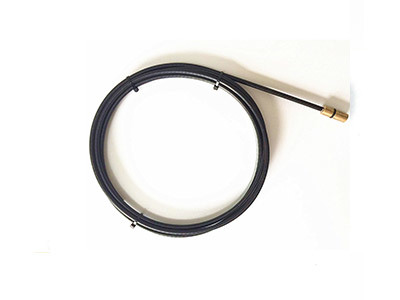
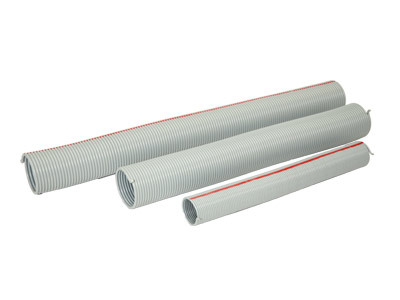
A welding gun liner is a tube that guides the welding wire from the spool to the welding torch. It is an integral part of the welding process, designed to ensure smooth wire feeding and maintain the integrity of the weld.
Key Functions of a Welding Gun Liner
1. **Wire Guidance**: The liner directs the welding wire, preventing tangles and ensuring a straight feed.
2. **Heat Resistance**: It withstands high temperatures generated during the welding process.
3. **Reduced Friction**: A well-designed liner minimizes friction, which helps prevent wear and tear on the welding wire.
4. **Consistency**: It ensures a consistent wire feed rate, crucial for achieving uniform welds.
The Importance of Choosing the Right Liner
Using the right liner for your Bernard welding gun is more than just a matter of compatibility; it directly impacts performance, efficiency, and the quality of your welds.
Enhancing Welding Performance
The right liner can significantly enhance your welding performance by ensuring smooth wire feeding. A mismatched or poor-quality liner may lead to frequent wire jams or inconsistent feed rates, ultimately compromising the weld quality.
Improving Efficiency
A properly functioning liner reduces downtime caused by wire feeding issues. When your welding gun operates efficiently, you spend less time troubleshooting and more time completing your projects, which can significantly increase productivity.
Extending Equipment Lifespan
Quality liners are designed to withstand the rigors of welding. By selecting the right liner, you can reduce wear and tear on your welding gun, extending its lifespan and saving on repair or replacement costs.
Types of Liners Available for Bernard Welding Guns
Understanding the types of liners available can help you make an informed decision. Bernard offers a variety of liners suitable for different welding applications.
Steel Liners
Steel liners are durable and can withstand high temperatures. They are often used in heavy-duty applications, providing excellent wire guidance and reduced friction.
Teflon Liners
Teflon liners offer low friction properties, making them ideal for welding applications requiring precision. These liners are less prone to wear and tear, providing a longer service life.
Polymer Liners
Polymer liners are lightweight and flexible, allowing for easier installation and wire feeding. While they may not be as durable as steel or Teflon, they can be suitable for certain applications.
Factors to Consider When Choosing a Liner
When selecting a liner for your Bernard welding gun, several factors come into play.
Wire Diameter
The wire diameter you are using will dictate the size of the liner you need. Ensure that the liner matches the wire diameter to avoid feeding issues.
Welding Process
Different welding processes may require different types of liners. For example, MIG welding may benefit from a low-friction liner, while TIG welding might require a more rigid liner.
Application Environment
Consider the environment in which you will be welding. High-temperature environments may necessitate the use of heat-resistant liners, while outdoor applications may require more durable options.
Maintenance Tips for Your Welding Gun Liner
Proper maintenance can prolong the life of your welding gun liner and ensure optimal performance.
Regular Inspections
Inspect the liner regularly for signs of wear, such as fraying or kinks. Early detection can prevent issues before they affect the welding process.
Cleaning the Liner
Keep the liner clean to prevent residue buildup, which can lead to feeding issues. Use a wire brush or appropriate cleaning tool to maintain the liner’s interior.
Replacing Worn Liners
Don’t wait until your liner is completely worn out to replace it. Regularly replacing liners based on usage can prevent welding quality issues and improve efficiency.
Expert Recommendations for Liner Selection
Consult industry experts or your local welding supply store when selecting a liner for your Bernard welding gun.
Seek Professional Advice
When in doubt, ask for professional recommendations tailored to your specific welding needs and applications.
Invest in Quality Brands
While it may be tempting to opt for cheaper liners, investing in high-quality brands will pay off in the long run, providing better performance and longevity.
Frequently Asked Questions (FAQs)
1. How often should I replace the liner in my Bernard welding gun?
The lifespan of a liner depends on usage; however, regular inspections can help you determine when it’s time to replace it. Generally, you should replace it every few months or sooner if you notice significant wear.
2. Can I use a different brand liner in my Bernard welding gun?
While it is possible to use different brands, it is highly recommended to use liners specifically designed for Bernard welding guns to ensure optimal performance.
3. What are the signs that my liner needs replacement?
Signs include frequent wire jams, inconsistent weld quality, or visible wear and damage on the liner.
4. Will using a low-friction liner improve my welding quality?
Yes, low-friction liners can significantly improve wire feeding consistency, leading to better weld quality.
5. Can I clean my liner instead of replacing it?
Cleaning can extend the life of your liner, but if it shows signs of wear or damage, it’s best to replace it for optimal performance.
Conclusion
The significance of selecting the right liner for your Bernard welding gun cannot be overstated. It influences not only the efficiency and performance of your welding operations but also the overall quality of your welds. By understanding the types of liners available, considering essential factors for selection, and adhering to proper maintenance practices, you can ensure that your welding gun operates at its best. Investing in the right liner will ultimately lead to better results and prolonged equipment life, making it a vital aspect of your welding toolkit.
Related News
Contact Us
E-mail:
WhatsAPP:
Address:
Wen 'an Industrial New Area (small Farm), Langfang, Hebei, China