

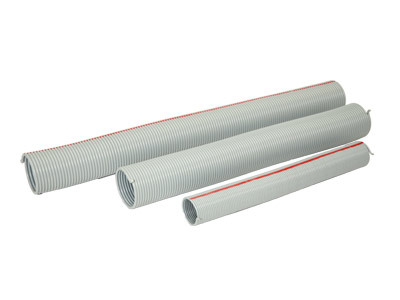

The Essential Guide to Fender Tremolo Arm Tension Spring Installation
Release Time:
2024-11-05
The Essential Guide to Fender Tremolo Arm Tension Spring Installation Table of Contents Introduction to Fender Tremolo Systems Understanding the Functionality of the Tremolo Arm Tension Spring Tools and Materials Needed for Installation Step-by-Step Installation Guide Common Issues and Troubleshooting Tips Maintenance Tips for Long-Lasting Performance Frequently Asked

The Essential Guide to Fender Tremolo Arm Tension Spring Installation
Table of Contents
- Introduction to Fender Tremolo Systems
- Understanding the Functionality of the Tremolo Arm Tension Spring
- Tools and Materials Needed for Installation
- Step-by-Step Installation Guide
- Common Issues and Troubleshooting Tips
- Maintenance Tips for Long-Lasting Performance
- Frequently Asked Questions
- Conclusion
Introduction to Fender Tremolo Systems
Fender guitars are renowned for their iconic sound and versatility. One of the standout features of many Fender models is the **tremolo system**, which allows musicians to create unique pitch variations and dynamic sound effects. Understanding how to install and maintain the **tremolo arm tension spring** is essential for any guitarist who wishes to optimize their instrument's performance.
Understanding the Functionality of the Tremolo Arm Tension Spring
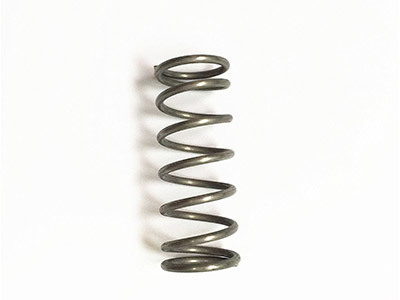
The **tremolo arm tension spring** plays a critical role in the functioning of the tremolo system. It provides the necessary resistance to the tremolo arm, allowing for controlled pitch bending without excessive slack. A properly installed spring ensures that the arm returns to its neutral position after being used, which is crucial for maintaining tuning stability.
How the Tremolo System Works
When the player engages the tremolo arm, the spring provides tension that allows the bridge to pivot. This pivoting action raises or lowers the pitch of the strings, creating the desired vibrato effect. The tension spring's strength and placement are vital for achieving the right balance between ease of use and stability.
Tools and Materials Needed for Installation
Before diving into the installation process, it's important to gather the necessary tools and materials. Here’s a comprehensive list:
- **Screwdriver set** (Phillips and flathead)
- **Pliers** for gripping and bending
- **Tremolo arm tension spring** (appropriate for your Fender model)
- **String winder** to facilitate string removal and installation
- **Allen wrench** (if applicable to your tremolo system)
- **Lint-free cloth** for protecting the guitar's finish
- **Lubricant** (recommended for smooth operation)
Step-by-Step Installation Guide
Installing the tremolo arm tension spring may seem daunting, but with the right approach, it can be a straightforward process. Follow these steps for a successful installation:
Step 1: Remove the Strings
To access the tremolo system, begin by removing the strings from your guitar. Use a string winder to make this process quicker and more efficient. Once the strings are removed, clean the fretboard and other areas while you have easy access.
Step 2: Access the Tremolo Mechanism
Flip your guitar over and locate the tremolo cavity. Depending on your Fender model, you may need to remove a cover plate to access the springs and tremolo arm assembly. Use a screwdriver to carefully remove any screws and set them aside for easy reinstallation.
Step 3: Identify the Old Spring
If you're replacing an old spring, carefully inspect how it was attached. Take note of its orientation and position, as this will guide how you install the new spring.
Step 4: Install the New Tension Spring
Position the new tremolo arm tension spring in the correct orientation, ensuring it sits snugly in its designated area. Attach one end of the spring to the tremolo assembly and the other end to the tremolo arm. Use pliers if necessary to ensure a secure fit.
Step 5: Reassemble the Tremolo Mechanism
After installing the spring, replace any cover plates or components you removed earlier. Ensure everything is securely in place and double-check for any loose screws.
Step 6: Restring the Guitar
Carefully restring your guitar, paying attention to the winding technique to avoid slippage. Tune your guitar to the desired pitch, and give the strings some time to settle.
Step 7: Test the Tremolo Arm
Once your guitar is restrung and tuned, gently test the tremolo arm to ensure it functions smoothly. The arm should return to its original position without any sticking or excessive slack.
Common Issues and Troubleshooting Tips
Even with proper installation, issues can occasionally arise with the tremolo system. Here are some common problems and solutions:
1. Excessive Slack in the Tremolo Arm
If the tremolo arm feels too loose or has excessive slack, check the tension spring's installation. It may need to be repositioned or replaced to provide adequate resistance.
2. Tuning Instability
If your guitar goes out of tune frequently after using the tremolo, ensure that the strings are properly wound and seated in their slots. Lubricate the nut and bridge to minimize friction.
3. Sticking Tremolo Arm
If the tremolo arm is sticking or feels difficult to operate, consider applying a small amount of lubricant to the pivot points. Additionally, check that the spring is correctly installed and not pinching any components.
Maintenance Tips for Long-Lasting Performance
To keep your tremolo system functioning optimally, regular maintenance is key. Here are some tips:
- **Regularly check tension**: Make sure the tension spring is secure and functioning properly, replacing it if necessary.
- **Clean your guitar**: Keep your guitar clean and free from dirt and grime, particularly around the tremolo system.
- **Lubricate moving parts**: Use a suitable lubricant on pivot points to ensure smooth operation.
- **Inspect for wear**: Regularly inspect the spring and other components for signs of wear and tear, replacing them as needed.
Frequently Asked Questions
1. How often should I replace the tremolo arm tension spring?
It's advisable to inspect the spring during regular maintenance checks. If you notice any signs of wear, such as stretching or breaks, replace it immediately.
2. Can I install the tremolo arm tension spring myself?
Yes, as long as you follow the installation guide carefully and gather the right tools, you can successfully install the spring without professional help.
3. What should I do if my guitar still goes out of tune after installation?
If tuning issues persist, check the string installation, lubricate the nut and bridge, and ensure that the tremolo system is properly set up.
4. Is there a specific type of lubricant recommended for the tremolo system?
A light guitar-specific lubricant or graphite powder is recommended for use on the nut and bridge to minimize friction.
5. Will changing the spring affect my guitar's sound?
While the spring itself doesn’t directly affect the sound, a properly functioning tremolo arm can enhance your ability to create the desired vibrato effects, positively impacting your overall sound.
Conclusion
Installing and maintaining the **tremolo arm tension spring** on your Fender guitar is crucial for achieving the best performance from your instrument. By understanding its functionality and following our detailed installation guide, you can ensure that your tremolo system operates smoothly and effectively. Regular maintenance will keep your guitar in top shape, allowing you to explore a wide range of musical expressions with confidence. Whether you're playing in a studio or on stage, a well-maintained tremolo system will elevate your guitar experience to new heights.
Related News
Contact Us
E-mail:
WhatsAPP:
Address:
Wen 'an Industrial New Area (small Farm), Langfang, Hebei, China