

Unlocking the Secrets of Fender Tremolo Arm Tension Spring: A Comprehensive Guide for Guitar Enthusiasts
Release Time:
2024-11-03
Unlocking the Secrets of Fender Tremolo Arm Tension Spring Table of Contents 1. Understanding the Fender Tremolo System 2. The Role of the Tension Spring in Tremolo Performance 3. Identifying Different Types of Tremolo Arm Tension Springs 4. How to Adjust the Tension of Your Fender Tremolo Arm 5. Signs of a Worn or Faulty Tension Spring 6. Maintenance Tips for Your Fender Tremolo System 7. Upgradi

Unlocking the Secrets of Fender Tremolo Arm Tension Spring
Table of Contents
1. Understanding the Fender Tremolo System
2. The Role of the Tension Spring in Tremolo Performance
3. Identifying Different Types of Tremolo Arm Tension Springs
4. How to Adjust the Tension of Your Fender Tremolo Arm
5. Signs of a Worn or Faulty Tension Spring
6. Maintenance Tips for Your Fender Tremolo System
7. Upgrading Your Tremolo Arm Tension Spring
8. Frequently Asked Questions
1. Understanding the Fender Tremolo System
The Fender tremolo system is a hallmark of many iconic guitars, providing musicians with a versatile tool to create a wide range of sounds. This system allows players to bend notes and add vibrato effects, enhancing their musical expression. At the heart of this system lies the **tremolo arm tension spring**, a critical component that influences the overall functionality and feel of the tremolo arm.
The tremolo mechanism consists of several parts, including the bridge, saddles, and the tension spring. Each component interacts to create the desired sound and playability. Understanding how these parts work together will empower you to optimize your guitar's performance.
2. The Role of the Tension Spring in Tremolo Performance
The **tension spring** serves to balance the pressure from the strings against the force applied by the tremolo arm. By doing so, it allows for smooth movement of the arm, enabling precise control over pitch bending and vibrato effects. If the tension is too loose, it can lead to a floppy feel, while excessive tension can make the arm stiff and unresponsive.
This balance is crucial for achieving the desired sound. Guitarists often adjust the tension spring to tailor the response of the tremolo system to their playing style. Understanding how to manipulate this component can dramatically improve your playing experience.
3. Identifying Different Types of Tremolo Arm Tension Springs
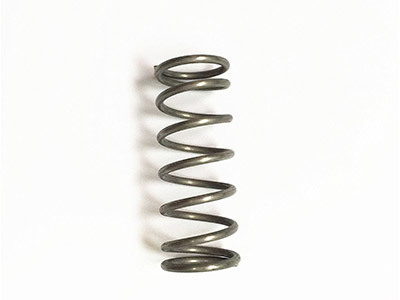
Tremolo arm tension springs vary in design, material, and tension characteristics. Common types include:
- **Standard Springs**: These are typically made of steel and provide a balanced feel for most players.
- **Heavy-Duty Springs**: Made from thicker wire, these springs offer added tension, making them suitable for aggressive playing styles.
- **Lightweight Springs**: Designed for players seeking a more responsive tremolo action, these springs are often made from lighter materials.
Choosing the right spring is essential for achieving the best performance from your Fender tremolo system. Consider your playing style and preferences when selecting a tension spring.
4. How to Adjust the Tension of Your Fender Tremolo Arm
Adjusting the tension of your Fender tremolo arm is a straightforward process that can significantly enhance your playing experience. Follow these steps to make the necessary adjustments:
1. **Gather Your Tools**: You'll need a screwdriver and possibly a small wrench, depending on your tremolo system.
2. **Locate the Tension Spring**: Open the back cover of your guitar to access the tremolo springs.
3. **Adjust the Tension**:
- **Loosen the Tension**: If the arm feels too stiff, gently loosen the tension by turning the corresponding screws counterclockwise.
- **Increase the Tension**: For a stiffer feel, tighten the screws clockwise to increase the tension.
4. **Test the Arm**: After making adjustments, strum your guitar and gently use the tremolo arm to test the feel. Repeat the process until you find the right balance.
5. **Final Touches**: Secure all screws properly to ensure the tremolo system remains stable during use.
By following these steps, you can achieve the perfect tension that complements your playing style.
5. Signs of a Worn or Faulty Tension Spring
Recognizing the signs of a worn or faulty tension spring is crucial for maintaining your guitar’s performance. Common indicators include:
- **Reduced Responsiveness**: If the tremolo arm feels unresponsive or sticky, it could be a sign that the tension spring has lost its elasticity.
- **Unusual Noises**: Any creaking or popping sounds when using the tremolo arm may indicate wear.
- **Inconsistent Pitch**: If you're experiencing trouble maintaining pitch when using the tremolo, the spring may not be providing adequate tension.
Regularly inspecting your tension spring can help prevent performance issues and ensure a smooth playing experience.
6. Maintenance Tips for Your Fender Tremolo System
To keep your Fender tremolo system in optimal condition, consider the following maintenance tips:
- **Regular Inspection**: Periodically check the tension spring for signs of wear or fatigue. Early detection can save you from more significant problems down the line.
- **Clean the Components**: Use a soft cloth to clean the tremolo arm and surrounding parts. This helps prevent buildup that can affect functionality.
- **Lubricate Moving Parts**: A light application of lubricant on the moving parts can enhance performance and reduce friction. Be careful not to over-lubricate, as this can attract dirt.
- **Store Properly**: When not in use, store your guitar in a stable environment to protect it from humidity and temperature fluctuations, which can affect the components.
- **Consult a Professional**: If you're unsure about any maintenance tasks, consider taking your guitar to a professional technician for a thorough check-up.
By maintaining your tremolo system, you can ensure it remains responsive and functional for years to come.
7. Upgrading Your Tremolo Arm Tension Spring
Upgrading your tension spring can yield significant improvements in your guitar's performance. Consider the following when looking for an upgrade:
- **Material**: Upgrading to springs made from higher-quality materials can enhance durability and performance.
- **Tension Levels**: Experiment with different tension levels to find the spring that best suits your playing style.
- **Brand Reputation**: Research reputable brands and read reviews to identify springs that have received positive feedback from other guitarists.
By investing in a quality tension spring, you can unlock new possibilities in your playing.
8. Frequently Asked Questions
What is the purpose of the tremolo arm tension spring?
The tension spring balances the pressure from the guitar strings and allows for smooth movement of the tremolo arm, enabling pitch bending and vibrato effects.
How can I tell if my tension spring is worn out?
Signs of wear include reduced responsiveness, unusual noises when using the arm, and inconsistent pitch when bending notes.
Can I adjust the tension spring myself?
Yes, adjusting the tension spring is a straightforward process that you can do with basic tools. Make small adjustments and test the arm frequently.
What are the benefits of upgrading my tension spring?
Upgrading can lead to improved performance, better responsiveness, and enhanced durability, allowing for a more enjoyable playing experience.
How often should I maintain my tremolo system?
Regular inspection and maintenance should be performed at least every few months, or more frequently if you play often, to ensure optimal performance.
Conclusion
Understanding and optimizing your Fender tremolo arm tension spring can significantly enhance your guitar-playing experience. From adjusting tension to recognizing signs of wear and performing regular maintenance, each step contributes to unlocking the full potential of your instrument. By taking the time to care for this crucial component, you not only ensure its longevity but also elevate your musical expression. As you explore the intricacies of the tremolo system, you’ll find that a well-maintained guitar is key to achieving the sound and performance you desire.
Related News
Contact Us
E-mail:
WhatsAPP:
Address:
Wen 'an Industrial New Area (small Farm), Langfang, Hebei, China