

How to Choose the Right Offside Front Coil Spring for Your Needs
Release Time:
2024-10-12
How to Choose the Right Offside Front Coil Spring for Your Needs When it comes to vehicle performance, **the importance of high-quality offside front coil springs** cannot be overstated. They are vital components that contribute to the overall handling, comfort, and stability of your vehicle. Whether you're replacing worn-out parts or upgrading for better performance, knowing how to choose the r

How to Choose the Right Offside Front Coil Spring for Your Needs
When it comes to vehicle performance, **the importance of high-quality offside front coil springs** cannot be overstated. They are vital components that contribute to the overall handling, comfort, and stability of your vehicle. Whether you're replacing worn-out parts or upgrading for better performance, knowing how to choose the right coil spring is crucial. This guide will provide you with detailed insights to help you make an informed decision.
Table of Contents
1. Understanding Coil Springs
2. The Importance of Offside Front Coil Springs
3. Types of Coil Springs
3.1. Standard Coil Springs
3.2. Performance Coil Springs
3.3. Air Coil Springs
4. Factors to Consider When Choosing Coil Springs
4.1. Vehicle Type and Weight
4.2. Driving Style
4.3. Spring Rate and Load Capacity
5. How to Measure Your Current Coil Springs
6. Installing Your Offside Front Coil Spring
6.1. Tools Required
6.2. Step-by-Step Installation Guide
7. Frequently Asked Questions (FAQs)
8. Conclusion
1. Understanding Coil Springs
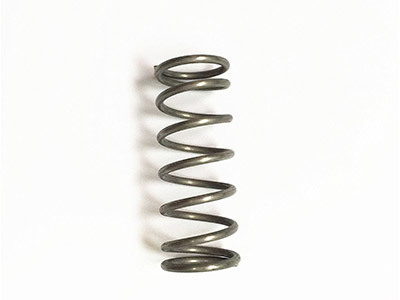
Coil springs are essential components in a vehicle's suspension system, designed to absorb shocks and support the weight of the vehicle. They are typically made from high-strength steel and come in various shapes and sizes, depending on the vehicle's specifications and intended use. Understanding the structure and function of coil springs will provide you with a solid foundation for making an informed choice.
2. The Importance of Offside Front Coil Springs
The offside front coil spring specifically refers to the spring located on the passenger side of the front axle. This component plays a crucial role in maintaining **vehicle stability** and ensuring a comfortable ride. A properly functioning coil spring will keep your vehicle balanced, improve handling, and reduce wear on other suspension components.
3. Types of Coil Springs
When choosing an offside front coil spring, you’ll encounter several types. Familiarizing yourself with these types will help you select the right one for your vehicle's needs.
3.1. Standard Coil Springs
These are the most common type found in vehicles. They provide a balance between comfort and handling, making them suitable for everyday driving conditions. If your primary concern is basic functionality and cost-effectiveness, standard coil springs will suffice.
3.2. Performance Coil Springs
If you’re an enthusiast looking to enhance your vehicle's performance, consider performance coil springs. These springs are designed to provide better handling and responsiveness, particularly in high-speed or off-road situations. They often come with a stiffer spring rate, offering improved control.
3.3. Air Coil Springs
Air coil springs offer adjustable ride height and load capacity, making them ideal for drivers who frequently haul heavy loads or require specific height adjustments. These springs utilize compressed air to alter their stiffness and overall performance.
4. Factors to Consider When Choosing Coil Springs
Choosing the right offside front coil spring involves several critical factors:
4.1. Vehicle Type and Weight
Different vehicles have varying weight distributions and suspension requirements. Be sure to choose coil springs that are specifically designed for your vehicle model. This will ensure they can support the weight effectively and provide optimal performance.
4.2. Driving Style
Consider how you typically drive. If you often navigate rough terrains or enjoy spirited driving, you may require stiffer, high-performance coil springs. On the other hand, if you mainly use your vehicle for commuting, standard coil springs may be the better option.
4.3. Spring Rate and Load Capacity
The spring rate refers to the stiffness of the coil spring and is measured in pounds per inch (lb/in). A higher spring rate indicates a stiffer spring that can handle greater loads. Make sure to select a spring rate that matches your driving needs and vehicle specifications.
5. How to Measure Your Current Coil Springs
If you’re replacing your current coil springs, accurate measurement is essential. Here’s how to do it:
1. **Lift the Vehicle**: Use a car jack to lift the vehicle securely.
2. **Remove the Wheel**: Take off the wheel to access the coil spring.
3. **Measure the Spring**: Use a tape measure to assess the diameter, free length, and wire diameter of the coil spring. Document these measurements for reference.
6. Installing Your Offside Front Coil Spring
Once you've selected the right coil spring for your needs, it's time to install it. Below are the tools you'll require and a step-by-step guide.
6.1. Tools Required
- Car jack
- Jack stands
- Coil spring compressor
- Wrenches
- Torque wrench
- Safety glasses
6.2. Step-by-Step Installation Guide
1. **Lift the Vehicle**: Securely elevate the vehicle using a car jack and support it with jack stands.
2. **Remove the Wheel**: Take off the front wheel, exposing the coil spring.
3. **Remove Old Coil Spring**: Use the spring compressor to carefully compress the old coil spring and remove it from its mounts.
4. **Install New Coil Spring**: Position the new coil spring in the same location as the old one. Ensure it is seated correctly.
5. **Release Spring Compressor**: Gradually release the spring compressor, allowing the coil spring to expand and secure itself in place.
6. **Reattach the Wheel**: Put the wheel back on and lower the vehicle.
7. **Torque Bolts**: Use a torque wrench to ensure all bolts are tightened to the manufacturer’s specifications.
7. Frequently Asked Questions (FAQs)
1. How do I know if my coil springs need replacing?
Signs of wear include excessive bouncing, uneven tire wear, and a sagging stance. If you notice any of these symptoms, it may be time to replace your coil springs.
2. Can I use a different type of coil spring than what originally came with my vehicle?
Yes, but ensure the new springs match your vehicle's specifications and your driving needs. Consult with a professional if unsure.
3. How often should I replace my coil springs?
Typically, coil springs can last anywhere from 60,000 to 100,000 miles, but this can vary based on driving conditions and vehicle usage.
4. Is it necessary to replace coil springs in pairs?
While it’s not a strict requirement, it’s advisable to replace coil springs in pairs (e.g., front or rear) to maintain balanced handling and performance.
5. Can I install coil springs myself, or should I hire a professional?
If you're experienced with vehicle maintenance, you can install coil springs yourself. However, if you're unsure, hiring a professional is recommended for safety and accuracy.
8. Conclusion
Choosing the right offside front coil spring for your vehicle is vital for ensuring performance, comfort, and safety. By understanding the different types of coil springs, considering the essential factors, and following the installation guide, you can make an informed decision that suits your needs. Remember to regularly inspect your coil springs and other suspension components to maintain your vehicle's performance and prolong its lifespan. Enjoy a smoother, more stable ride by selecting the right coil springs tailored to your driving style and vehicle specifications.
Related News
Contact Us
E-mail:
WhatsAPP:
Address:
Wen 'an Industrial New Area (small Farm), Langfang, Hebei, China