

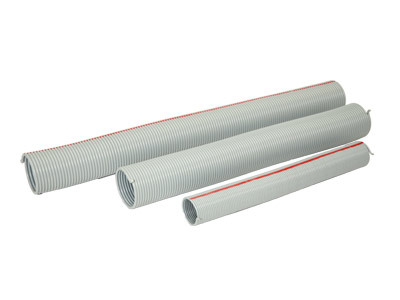

Understanding the Role of Tension Springs in AK Lower Handguards
Release Time:
2024-10-02
Understanding the Role of Tension Springs in AK Lower Handguards The AK-47, renowned for its reliability and robustness, has become an iconic firearm globally. Among its many components, the **lower handguard** plays a crucial role in both functionality and aesthetics. Within this component, **tension springs** serve an essential purpose, influencing the overall performance of the firearm. In th

Understanding the Role of Tension Springs in AK Lower Handguards
The AK-47, renowned for its reliability and robustness, has become an iconic firearm globally. Among its many components, the **lower handguard** plays a crucial role in both functionality and aesthetics. Within this component, **tension springs** serve an essential purpose, influencing the overall performance of the firearm. In this article, we will delve into the intricate world of tension springs, exploring their significance, design considerations, and maintenance tips, ultimately equipping you with a comprehensive understanding of their role in AK lower handguards.
Table of Contents
- What Are Tension Springs?
- Function of Tension Springs in AK Lower Handguards
- Design Considerations for Tension Springs
- Material Types for Tension Springs
- Tension Spring Installation Guide
- Maintaining Tension Springs in AK Lower Handguards
- Upgrading Your Tension Springs
- Frequently Asked Questions (FAQs)
What Are Tension Springs?
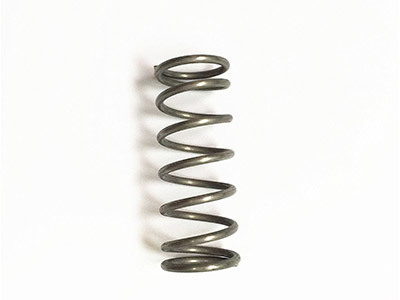
Tension springs are a specific type of spring that stores energy when stretched. Unlike compression springs, which are designed to withstand squeezing forces, tension springs are engineered to handle pulling forces, making them ideal for applications where components must be held together firmly. The design of tension springs often includes hooks or loops at each end to facilitate attachment to other parts of a device, ensuring that they maintain their position when force is applied.
Function of Tension Springs in AK Lower Handguards
In AK lower handguards, tension springs are pivotal for several reasons:
- Stability: Tension springs help stabilize the lower handguard, keeping it securely in place during operation.
- Component Retention: They ensure that essential components like the gas tube and handguard remain properly aligned, preventing misalignment during firing.
- Shock Absorption: By absorbing some of the recoil energy, tension springs help improve the shooter's control over the firearm.
- Durability: High-quality tension springs contribute to the overall longevity of the firearm, minimizing wear and tear on other components.
Design Considerations for Tension Springs
When designing tension springs for AK lower handguards, several factors must be considered to ensure optimal performance:
- Spring Rate: The spring rate refers to the stiffness of the spring and is crucial for determining how much force is required to stretch the spring. A proper balance is essential for effective functionality.
- Length and Diameter: The physical dimensions of the spring must match the specific requirements of the AK lower handguard to ensure a snug fit and proper function.
- End Configurations: The hooks or loops at the ends of the tension spring must be designed appropriately to facilitate easy installation and secure attachment.
Material Types for Tension Springs
The selection of materials for tension springs plays a critical role in their performance. Common materials include:
- High Carbon Steel: Known for its strength and durability, high carbon steel is often used for tension springs due to its ability to withstand significant stress.
- Stainless Steel: Stainless steel provides excellent corrosion resistance, making it a preferred choice for firearms exposed to harsh environments.
- Alloy Steel: Alloy steel offers enhanced strength and flexibility, allowing for more complex spring designs.
Tension Spring Installation Guide
Installing tension springs in AK lower handguards requires precision and care. Follow these steps for proper installation:
- Gather Tools: Ensure you have the necessary tools, including pliers, a screwdriver, and a punching tool.
- Preparation: Clear the workspace and ensure the firearm is unloaded and safe to handle.
- Remove Old Springs: If applicable, carefully remove the old tension springs, noting their placement.
- Position New Springs: Align the new tension springs with their respective attachment points.
- Secure Attachment: Use pliers to secure the hooks or loops of the tension springs to the handguard, ensuring they are tightly fitted.
- Check Functionality: After installation, perform a functionality check by ensuring all components are secure and operational.
Maintaining Tension Springs in AK Lower Handguards
Regular maintenance of tension springs is vital for maximizing their lifespan and effectiveness. Here are some essential maintenance tips:
- Regular Inspections: Frequently inspect tension springs for signs of wear, deformation, or corrosion.
- Cleaning: Keep the springs clean by wiping them down with a lint-free cloth and applying a light lubricant to prevent rust.
- Replacement: If any signs of damage are detected, replace the springs immediately to maintain firearm performance.
Upgrading Your Tension Springs
Upgrading tension springs can significantly enhance the performance of your AK lower handguard. Here are some considerations for selecting upgraded springs:
- Performance: Look for springs designed specifically for enhanced stability and recoil absorption.
- Material: Consider using high-grade materials such as stainless steel for maximum durability and performance.
- Compatibility: Ensure that any upgraded springs are fully compatible with your specific AK model.
Frequently Asked Questions (FAQs)
1. What is the primary purpose of tension springs in AK lower handguards?
The primary purpose of tension springs in AK lower handguards is to stabilize components, maintain alignment, and absorb recoil, enhancing overall firearm performance.
2. How often should I inspect my tension springs?
It is advisable to inspect tension springs regularly, especially after extensive use or exposure to harsh conditions.
3. Can I replace tension springs with aftermarket options?
Yes, upgrading to aftermarket tension springs can improve performance, but ensure compatibility with your specific AK model.
4. What are the signs of a failing tension spring?
Signs of a failing tension spring may include visible deformation, rust, or loss of stability in the handguard.
5. Is it difficult to install tension springs myself?
With the right tools and careful attention to detail, most users can successfully install tension springs themselves. However, if unsure, consult a professional.
Conclusion
Understanding the role of **tension springs** in AK lower handguards is vital for firearm enthusiasts and professionals alike. These components play an essential role in ensuring stability, reliability, and performance. By choosing high-quality materials, understanding the design considerations, and performing regular maintenance, you can significantly enhance your firearm's functionality. Upgrading your tension springs will not only improve your shooting experience but will also contribute to the overall longevity of your AK-47. Embrace the importance of tension springs, and you will appreciate the difference it makes in wielding this iconic firearm.
Related News
Contact Us
E-mail:
WhatsAPP:
Address:
Wen 'an Industrial New Area (small Farm), Langfang, Hebei, China