

Unlocking Precision: The Essential Role of Babyliss Clipper Tension Springs in Hair Cutting Performance
Release Time:
2024-09-28
Unlocking Precision: The Essential Role of Babyliss Clipper Tension Springs in Hair Cutting Performance Table of Contents 1. Introduction: Understanding Hair Clipper Mechanics 2. What Are Tension Springs and Their Functionality? 3. The Importance of Tension Springs in Babyliss Clippers 4. How Tension Springs Work: A Deep Dive 5. Choosing the Right Tension Spring for Your Babyl

Unlocking Precision: The Essential Role of Babyliss Clipper Tension Springs in Hair Cutting Performance
Table of Contents
- 1. Introduction: Understanding Hair Clipper Mechanics
- 2. What Are Tension Springs and Their Functionality?
- 3. The Importance of Tension Springs in Babyliss Clippers
- 4. How Tension Springs Work: A Deep Dive
- 5. Choosing the Right Tension Spring for Your Babyliss Clipper
- 6. Maintenance Tips for Tension Springs
- 7. Troubleshooting Common Issues with Tension Springs
- 8. Conclusion: Ensuring Optimal Performance with Quality Tension Springs
- 9. FAQs About Babyliss Clipper Tension Springs
1. Introduction: Understanding Hair Clipper Mechanics
In the world of hair cutting, precision is key. Whether you are a professional barber or an enthusiastic DIYer, the tools you use significantly influence the outcome of your work. Babyliss clippers are renowned for their quality and performance, but what truly sets them apart is **the intricate machinery within**, particularly the **tension springs**. These unassuming components play a pivotal role in ensuring that clippers operate smoothly and effectively, translating the user’s intent into perfect trims and fades.
2. What Are Tension Springs and Their Functionality?
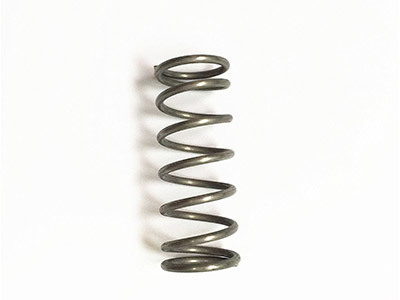
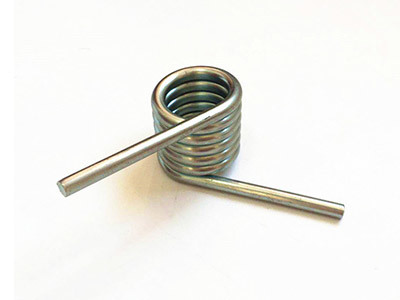
Tension springs are essential mechanical components that store energy and apply a force between objects. In the context of hair clippers, they maintain the distance between the blades and provide the necessary tension for the clipping action. When you press the clipper against the hair, the tension springs ensure that the blades stay in position, allowing for **consistent cutting performance**.
2.1 The Design of Tension Springs
Tension springs are typically made from high-quality steel to withstand repeated stress without losing their shape. Their design is engineered to provide the right amount of resistance, which is crucial for maintaining stability and precision during operation.
3. The Importance of Tension Springs in Babyliss Clippers
Babyliss clippers are designed for professional use, where precision is non-negotiable. The importance of tension springs in these tools cannot be overstated:
3.1 Consistent Cutting Performance
Tension springs ensure that the blades maintain proper alignment, resulting in consistent cutting performance. Without adequately functioning springs, users may experience uneven cuts which can lead to dissatisfaction and dissatisfaction among clients.
3.2 Enhanced Durability
Quality tension springs contribute to the overall durability of the clipper. They absorb shock and prevent excessive wear on the blades, allowing for extended product life and reliability.
3.3 Improved User Experience
With properly calibrated tension springs, users can maneuver their clippers with ease. This design feature reduces fatigue during long cutting sessions, enhancing the experience for barbers and stylists alike.
4. How Tension Springs Work: A Deep Dive
Understanding the mechanics of tension springs is vital for anyone looking to maximize their clipper's performance.
4.1 The Mechanical Action
When the clipper is powered on, the motor generates vibrations that move the blades back and forth. The tension springs respond to these movements by either compressing or expanding. This action ensures that the blades return to their optimal position after each cut, allowing for **smooth transitions** and **exact cuts**.
4.2 The Role of Tension in Hair Cutting
The tension provided by these springs directly affects the clipper's ability to cut hair efficiently. Too much tension can lead to difficulty in maneuvering the clipper, while too little can result in pulling or snagging hair. Finding the right balance is essential for achieving the best results.
5. Choosing the Right Tension Spring for Your Babyliss Clipper
Selecting the right tension spring is crucial for maintaining the performance of your Babyliss clipper. Here’s what to consider:
5.1 Compatibility with Your Clipper Model
Different models of Babyliss clippers may require specific tension springs. Always refer to the manufacturer’s specifications when replacing or upgrading components.
5.2 Material Quality
The quality of the spring material directly impacts its lifespan and performance. Opt for springs made from high-grade steel or other durable materials to ensure longevity.
5.3 Spring Size and Tension
Measuring the size and understanding the tension rating of the spring is essential. A spring that is too large or too small can compromise the clipping mechanism, leading to subpar performance.
6. Maintenance Tips for Tension Springs
Proper maintenance of tension springs is necessary to ensure optimal performance and longevity. Here are some essential tips:
6.1 Regular Cleaning
Dirt and hair can accumulate around the tension springs, affecting their performance. Regular cleaning with a soft brush can keep the components free from debris.
6.2 Lubrication
Applying a light lubricant to the springs can reduce friction and wear, allowing for smoother operation. Avoid over-lubricating, as this can attract more dirt.
6.3 Periodic Inspections
Regularly inspect tension springs for signs of wear or damage. If you notice any issues, it’s crucial to replace them immediately to maintain performance.
7. Troubleshooting Common Issues with Tension Springs
Even with diligent maintenance, issues can arise with tension springs. Here’s how to troubleshoot some common problems:
7.1 Uneven Cuts
If your clips are uneven, it may be due to faulty tension springs. Check for any signs of wear or damage and replace them if necessary.
7.2 Difficulty in Maneuvering
If the clipper feels stiff or difficult to handle, the springs may be too tight. Adjust or replace the springs to achieve the desired tension.
7.3 Excessive Noise
Unusual noises during operation can indicate a problem with the tension springs or other components. Inspect for any loose parts or misalignments.
8. Conclusion: Ensuring Optimal Performance with Quality Tension Springs
Babyliss clippers are trusted tools in the hair cutting industry, and their performance largely hinges on the quality and functionality of their tension springs. By understanding the pivotal role these springs play, choosing the right components, and maintaining them properly, users can unlock the full potential of their clippers. Investing time and effort into this small yet crucial aspect of clipper care will lead to better results, satisfied clients, and a more enjoyable cutting experience.
9. FAQs About Babyliss Clipper Tension Springs
1. How often should I replace the tension springs in my Babyliss clipper?
It is recommended to inspect the tension springs every few months. Replace them as needed if you notice any signs of wear or if your clipper performance diminishes.
2. Can I use third-party tension springs for my Babyliss clipper?
While third-party springs may fit, it is advisable to use original Babyliss components to ensure compatibility and maintain performance.
3. What signs indicate that my tension springs need replacement?
Signs include uneven cuts, excessive noise, difficulty in maneuvering, or visible wear on the springs.
4. How can I improve the life of my Babyliss clipper's tension springs?
Regular cleaning, proper lubrication, and periodic inspections will help prolong the life of your tension springs.
5. Do tension springs affect the battery life of cordless Babyliss clippers?
While tension springs do not directly affect battery life, a well-maintained clipper operates more efficiently, potentially extending battery life during use.
With this detailed exploration of Babyliss clipper tension springs, we aim to empower users to make informed decisions that enhance their hair cutting experience. Understanding and maintaining these vital components can significantly impact performance, reliability, and user satisfaction.
Related News
Contact Us
E-mail:
WhatsAPP:
Address:
Wen 'an Industrial New Area (small Farm), Langfang, Hebei, China