

Understanding Compression Springs: Essential Components in Manufacturing
Release Time:
2024-07-27
Compression springs are mechanical devices designed to store energy and exert force. They are one of the most common types of springs, primarily utilized to resist compressive forces. These springs are characterized by their coiled structure, which allows them to compress under load and return to their original shape when the load is removed. This unique ability makes compression springs essential

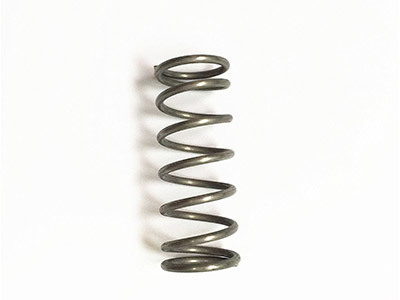
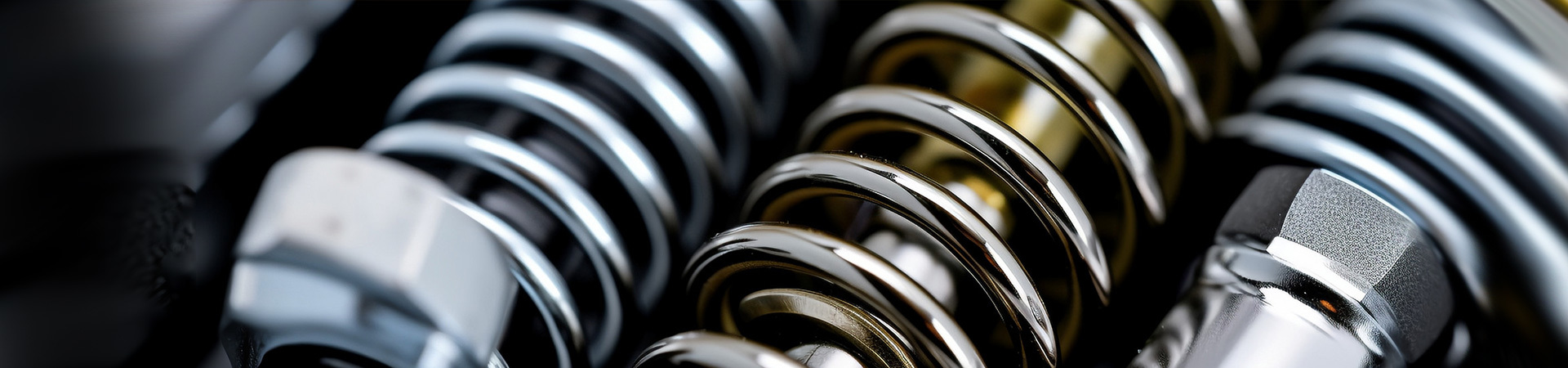
Compression springs are mechanical devices designed to store energy and exert force. They are one of the most common types of springs, primarily utilized to resist compressive forces. These springs are characterized by their coiled structure, which allows them to compress under load and return to their original shape when the load is removed. This unique ability makes compression springs essential in numerous applications across various industries, including automotive, aerospace, electronics, and industrial machinery.
The design of a compression spring is crucial for its performance. Typically made from high-carbon steel or stainless steel, these springs are formed by coiling a wire around a cylindrical shape. The diameter, coil count, and wire thickness are essential factors that dictate the spring's stiffness and load-bearing capacity. The spring's free length, or the length without any applied force, also plays a significant role in its functionality. Understanding these design aspects can help manufacturers choose the right compression spring for specific applications.
Compression springs operate on a simple principle: when a load is applied, they compress, storing potential energy. This energy can then be released when the load is removed, causing the spring to return to its original shape. This characteristic makes them invaluable in applications where energy storage and release are critical, such as in shock absorbers, valve mechanisms, and various types of machinery.
Another key aspect of compression springs is their ability to be customized. Manufacturers can modify the dimensions, materials, and coil configurations to suit specific needs. Custom compression springs can be produced in various shapes and sizes, allowing for enhanced performance in unique applications. This flexibility is particularly beneficial in industries that require precision and reliability.
In addition to their mechanical applications, compression springs play a vital role in ensuring safety and functionality. For instance, they are crucial in automotive safety systems, such as airbags and seatbelt retractors, where they help maintain the necessary tension and response during an impact. Their reliability is paramount in ensuring the safety of passengers and the proper functioning of these systems.
In conclusion, compression springs are integral components in manufacturing and mechanical design, known for their ability to store and release energy. By understanding their design, functionality, and applications, manufacturers can leverage the benefits of compression springs to enhance their products' performance and reliability. Whether for industrial machinery or consumer products, the importance of these springs cannot be overstated, making them a fascinating subject for anyone involved in manufacturing and engineering.
Related News
Contact Us
E-mail:
WhatsAPP:
Address:
Wen 'an Industrial New Area (small Farm), Langfang, Hebei, China